In the dynamic world of industrial automation and machine safety, proximity sensors are the silent sentinels. These non-contact devices detect the presence or absence of objects with remarkable precision, forming the backbone of countless control systems. As an electrical engineer with years of field experience, I've witnessed the evolution of these critical components. Ranking them is not merely about specifications on a datasheet; it's about reliability in harsh environments, ease of integration, and long-term performance. This article presents a definitive ranking of the top 10 proximity sensor technologies and leading manufacturers, based on technical merit, market adoption, and proven industrial application.
1. Inductive Proximity Sensors
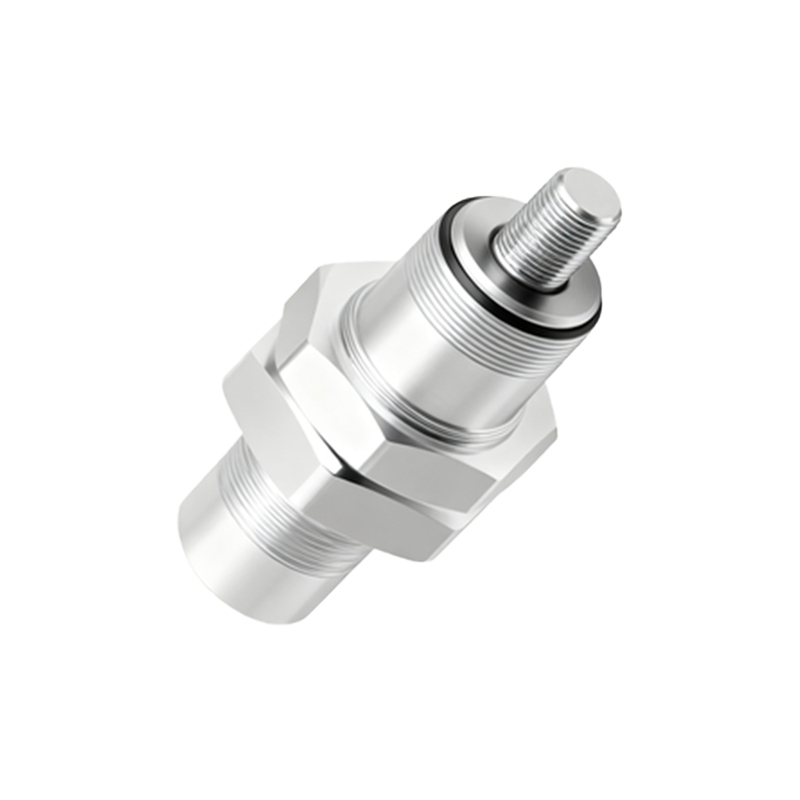
The undisputed workhorse of the industry. These sensors detect metallic objects (ferrous and non-ferrous) by generating an electromagnetic field. Their rugged, all-metal housings make them ideal for dirty, oily, and demanding environments like machining centers and stamping presses. Brands like Sick and Pepperl+Fuchs set the gold standard for durability and sensing range consistency.
2. Capacitive Proximity Sensors
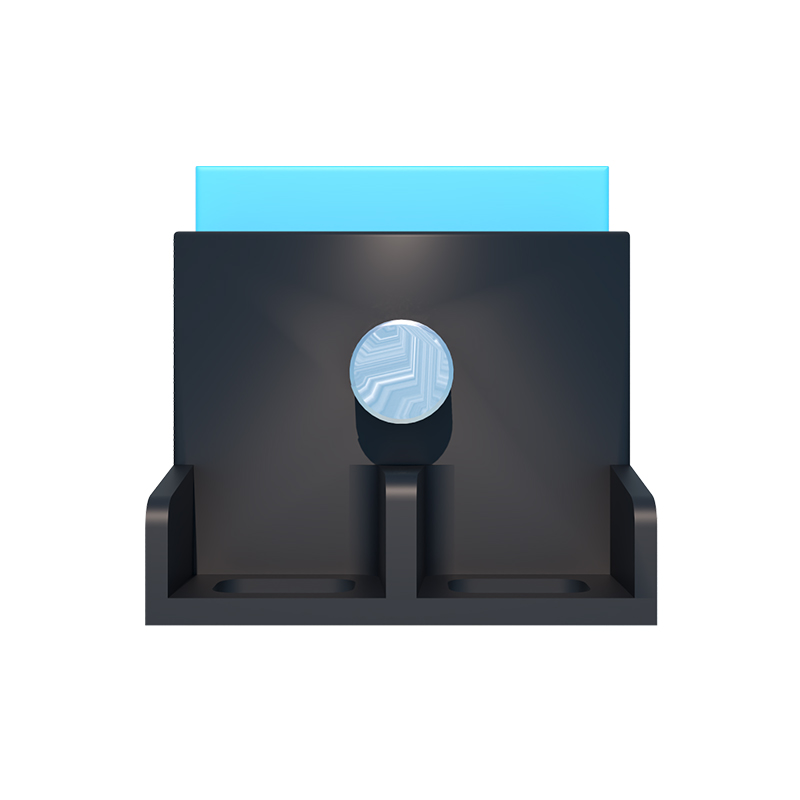
A versatile contender capable of detecting almost any material—metals, plastics, wood, liquids, and granules. They work by measuring changes in capacitance. This makes them perfect for level detection in tanks or identifying non-metallic objects on conveyor lines. Omron and Balluff offer exceptional models with excellent noise immunity and sensitivity adjustment features.
3. Ultrasonic Proximity Sensors
Utilizing sound waves beyond human hearing, these sensors excel at long-range detection and measuring distances to objects regardless of color, transparency, or material. They are indispensable in challenging conditions where dust, light, or smoke would foil optical sensors. Banner Engineering and ifm electronic produce highly reliable ultrasonic sensors with advanced background suppression.
4. Photoelectric Sensors
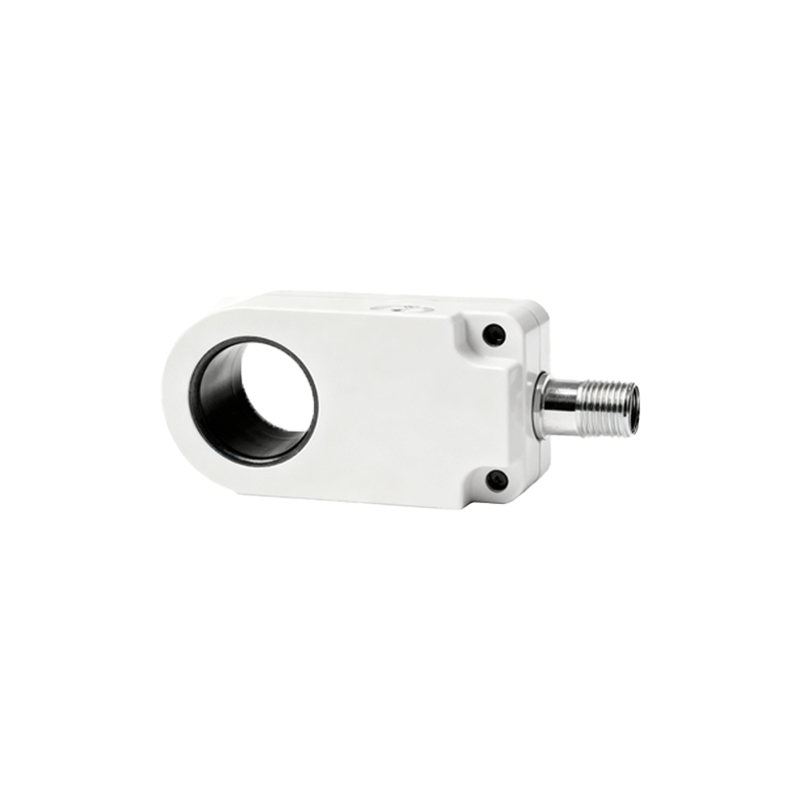
While often categorized separately, their proximity-sensing variants (diffuse reflective types) are crucial. They use a light beam (usually infrared or laser) to detect objects. For high-speed, precise detection of small parts, they are unmatched. Keyence leads with innovative designs offering unparalleled precision and setup simplicity through advanced teach-in functions.
5. Magnetic Proximity Sensors (Reed Switches & Hall Effect)
These sensors detect magnetic fields, typically from a permanent magnet. Reed switches are simple and cost-effective for position detection in cylinders. Hall Effect sensors provide solid-state reliability and can handle higher switching frequencies. Turck is a prominent supplier, known for robust designs suitable for hydraulic and pneumatic applications.
6. M12/M18 Cylindrical Form-Factor Sensors
This is a ranking based on form factor standardization. The M12 (12mm diameter) and M18 (18mm diameter) threaded cylindrical designs are the de facto global standards. Their universal mounting compatibility simplifies design and maintenance. Nearly all major manufacturers, including Siemens and Rockwell Automation (Allen-Bradley), offer extensive lines in these form factors, ensuring easy sourcing and replacement.
7. Factor 1 Safety-Rated Sensors
For applications where human safety is paramount—such as in guarding systems on robots or presses—safety-rated proximity sensors are essential. These devices are designed with redundant circuits and self-monitoring to achieve Performance Level (PL) d/e or Safety Integrity Level (SIL) 3 ratings. Sick and Pepperl+Fuchs again dominate this high-reliability niche.
8. IO-Link Enabled Smart Sensors
Representing the future of sensor integration. These are not a sensing technology per se, but an intelligent communication layer added to inductive, capacitive, or photoelectric sensors. IO-Link allows for parameterization, remote monitoring, and advanced diagnostics, enabling predictive maintenance. Balluff and ifm electronic are pioneers in this smart factory-enabling technology.
9. High-Temperature Proximity Sensors
Specialized sensors designed to operate reliably in extreme thermal environments, such as near furnaces, foundries, or in engine test cells. They use high-temperature-resistant materials and specialized electronics. Manufacturers like Pepperl+Fuchs offer models that can withstand ambient temperatures up to 200°C and higher.
10. Cylinder Position Sensors
A critical sub-category designed specifically for integration into pneumatic and hydraulic cylinders. They provide precise feedback on piston position. Magnetic-based designs are most common, offering a compact, sealed solution. Festo and SMC, as leading motion control companies, provide highly optimized sensors for their own and other cylinder brands.
The choice of the "best" proximity sensor is inherently application-specific. An inductive sensor from Sick might be