In the realm of industrial automation, the reliability and precision of sensing technology are paramount. The E2G-M30KN18-WS-C1 proximity sensor, a robust inductive device, stands as a critical component in countless machinery and control systems. This article provides a detailed technical examination of this sensor, its operational principles, key specifications, and typical application scenarios, tailored for engineers and procurement specialists.
The E2G-M30KN18-WS-C1 is a cylindrical, shielded (flush-mountable) inductive proximity sensor with an M30 x 1.5 thread. The "E2G" series designation typically indicates a specific product family from a major manufacturer, known for its durability in harsh environments. The model code breaks down as follows: M30 denotes the housing diameter, K often refers to a connector version, N18 suggests an 18mm sensing distance, and the suffix WS-C1 commonly specifies the electrical output type, wiring, and connection style—in this case, likely a 3-wire DC (PNP or NPN) configuration with a standard connector. It is crucial to consult the official datasheet for the precise interpretation, as coding can vary between manufacturers.
Operating on the principle of electromagnetic induction, the sensor generates a high-frequency oscillating electromagnetic field from its active face. When a metallic target (typically ferrous metals like steel or iron, with standardized sensing factors for non-ferrous metals) enters this field, eddy currents are induced in the target. This causes a dampening of the oscillation, which is detected by the sensor's internal circuitry. The circuit then triggers a solid-state switch, changing the output state. This non-contact detection method ensures long operational life, as there is no mechanical wear.
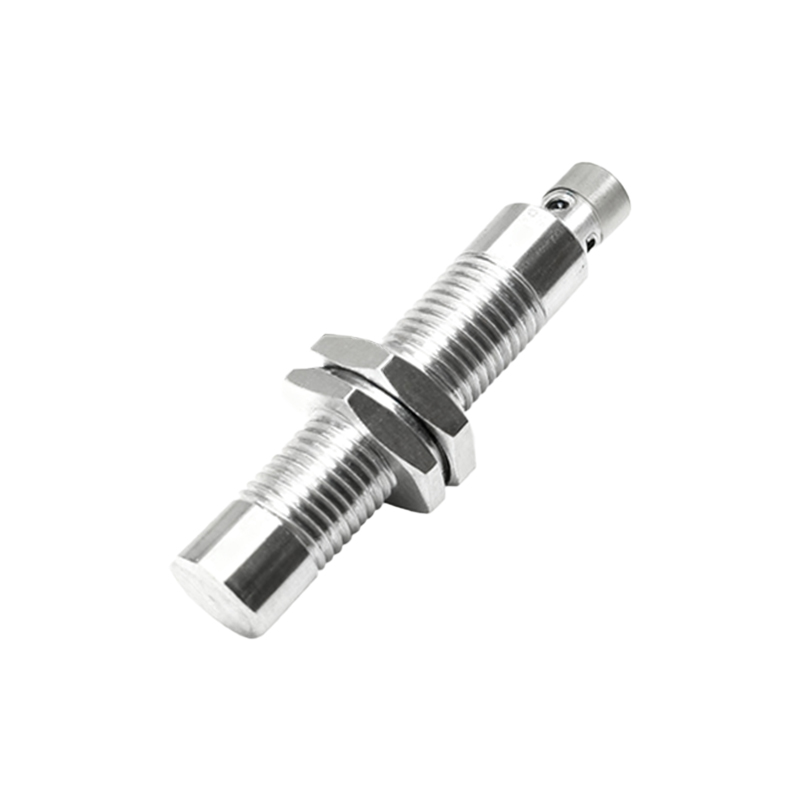
Key technical specifications define its performance envelope. The rated sensing distance (Sn) is 18mm. A critical operational parameter is the assured operating distance (Sa), which is typically 0 to 14.4mm (81% of Sn), accounting for factors like supply voltage tolerance and temperature drift. This sensor is designed for a DC supply voltage, commonly in the range of 10-30V DC. The output is a switching signal, with the WS-C1 variant usually being a PNP (sourcing) or NPN (sinking) transistor output. The switching frequency, or response time, is typically in the hundreds of Hertz, allowing for detection of rapidly moving objects. Its housing is rated at IP67 or higher, making it resistant to dust ingress and temporary immersion in water, which is essential for washdown environments in food and beverage or pharmaceutical industries. The temperature operating range usually spans from -25°C to +70°C, ensuring functionality in both cold storage and hot factory settings.
The application landscape for the E2G-M30KN18-WS-C1 is vast. Its M30 size and 18mm range make it exceptionally versatile. Common uses include position sensing in automated assembly lines—verifying the presence of a metal part in a fixture or the end position of a cylinder. In material handling, it is used for counting metal objects on conveyors or detecting the presence of pallets. Within packaging machinery, it can monitor the position of metallic cams or actuators. The shielded design allows for flush mounting in metal, enabling installation where space is constrained without fear of side-interference from surrounding metallic structures. This is particularly useful in robotic tool changers or within the body of a machine.
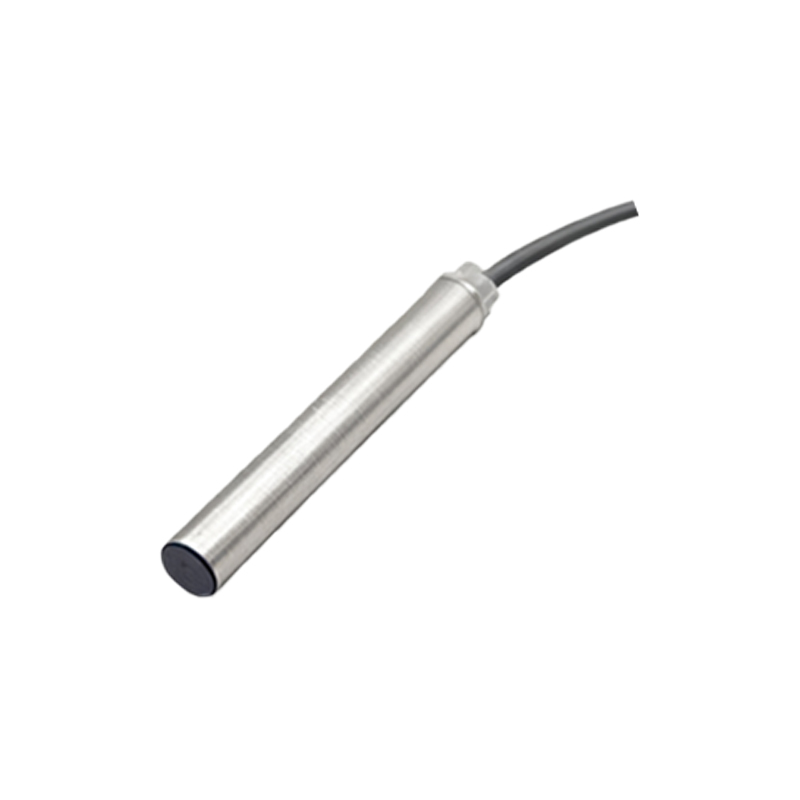
Installation and wiring require attention to detail. For optimal performance, the target should approach the sensor axially to the sensing face. The sensor must be mounted securely using its hex nut, avoiding overtightening. When wiring, the correct identification of the brown (typically +V), blue (0V), and black (output) wires is essential, following the manufacturer's diagram. For PNP versions, the load is connected between the output (black) and the negative (blue). A stable, clean power supply is recommended, and in electrically noisy environments, the use of shielded cable with proper grounding is advisable. Always ensure the target material and size meet the specifications; a standard target is usually a square of mild steel, 1mm thick, with sides equal to the sensor's diameter or three times the sensing distance.
Troubleshooting often involves a few basic checks. First, verify the power supply voltage at the sensor's connector. Next, observe the sensor's indicator LED (if equipped) when a target is presented. If the sensor fails to trigger, confirm the target is within the assured operating distance, is of the correct material, and is moving axially. Check for an accumulation of metallic debris on the sensing face, which can cause false triggering. Also, ensure that nearby large metal objects or other sensors are not causing mutual interference, a consideration less critical