Infrared proximity sensors have become indispensable components across a wide range of industrial and commercial applications. These devices operate by emitting infrared light and measuring the reflection from nearby objects, enabling non-contact detection and measurement. The core technology relies on an infrared LED to emit light and a photodiode or phototransistor to detect the reflected signal. The intensity of the reflected light, or sometimes the phase shift in modulated signals, is analyzed to determine the presence, absence, or distance of an object within the sensor's field of view.
One of the primary advantages of infrared proximity sensors is their immunity to ambient visible light interference, especially when modulated IR signals are used. This makes them highly reliable in environments with variable lighting conditions, such as outdoor applications or brightly lit factories. Furthermore, they can detect a variety of materials, including non-metallic objects that might challenge inductive or capacitive sensors. Common industrial uses include object detection on conveyor belts, liquid level sensing in transparent containers, and part positioning in automated assembly lines. In the automotive sector, they are integral to systems like automatic door openers, obstacle detection in parking assistance, and driver presence monitoring.
The evolution of sensor technology has led to the development of more sophisticated infrared proximity sensors with digital outputs (I2C, SPI) and integrated signal processing. These "smart sensors" can provide calibrated distance measurements, often with resolutions down to the millimeter range, and feature built-in temperature compensation for enhanced accuracy over varying operational conditions. This digital integration simplifies system design, reduces the processing burden on the main controller, and enables daisy-chaining of multiple sensors.
Another significant application domain is consumer electronics. The humble infrared proximity sensor in a smartphone, which turns off the touchscreen during a call to prevent accidental inputs, is a ubiquitous example. They are also found in robotics for obstacle avoidance, in touchless faucets and soap dispensers for hygiene, and in interactive kiosks or digital signage to activate displays when a user approaches.
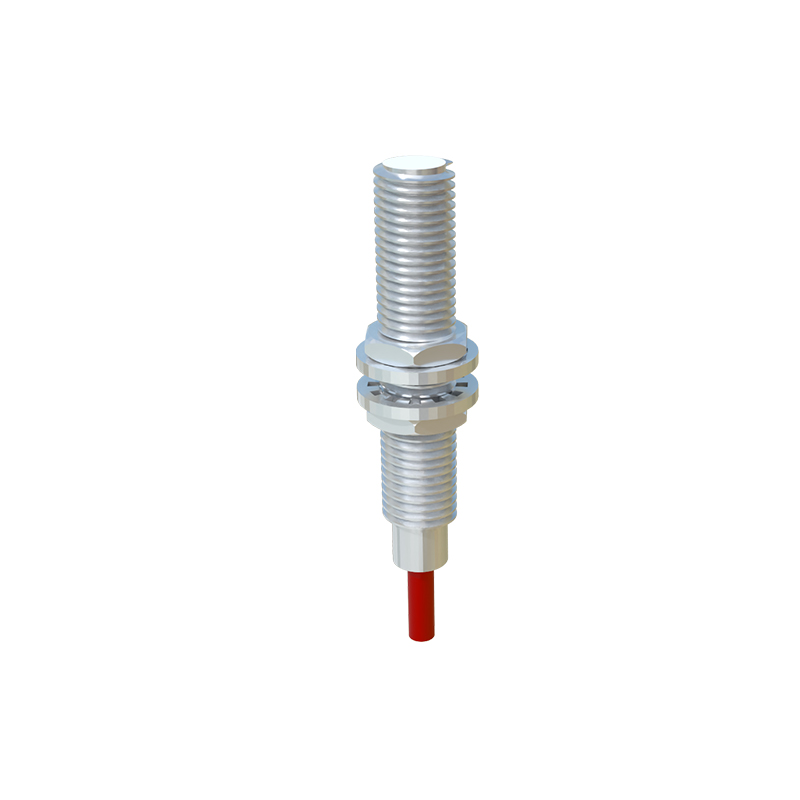
When selecting an infrared proximity sensor for an industrial application, several key parameters must be considered. The sensing range is paramount and must match the specific detection distance required. The response time determines how quickly the sensor can react to a changing target, which is critical for high-speed automation. Environmental factors like dust, fog, or temperature extremes can affect IR absorption and scattering; therefore, sensors with appropriate ingress protection (IP) ratings and robust housings are essential for harsh conditions. Cross-talk interference between multiple closely spaced sensors is another challenge that can be mitigated through careful mechanical design, optical shielding, or time-division multiplexing of the IR signals.
Looking forward, advancements in multi-element arrays and time-of-flight (ToF) infrared sensors are pushing the boundaries of capability. These systems can create simple depth maps or 3D profiles of objects, opening new possibilities in quality inspection, bin picking for robotics, and advanced human-machine interfaces. The integration of infrared proximity sensing with other technologies like machine vision or IoT connectivity platforms is creating smarter, more context-aware industrial systems.
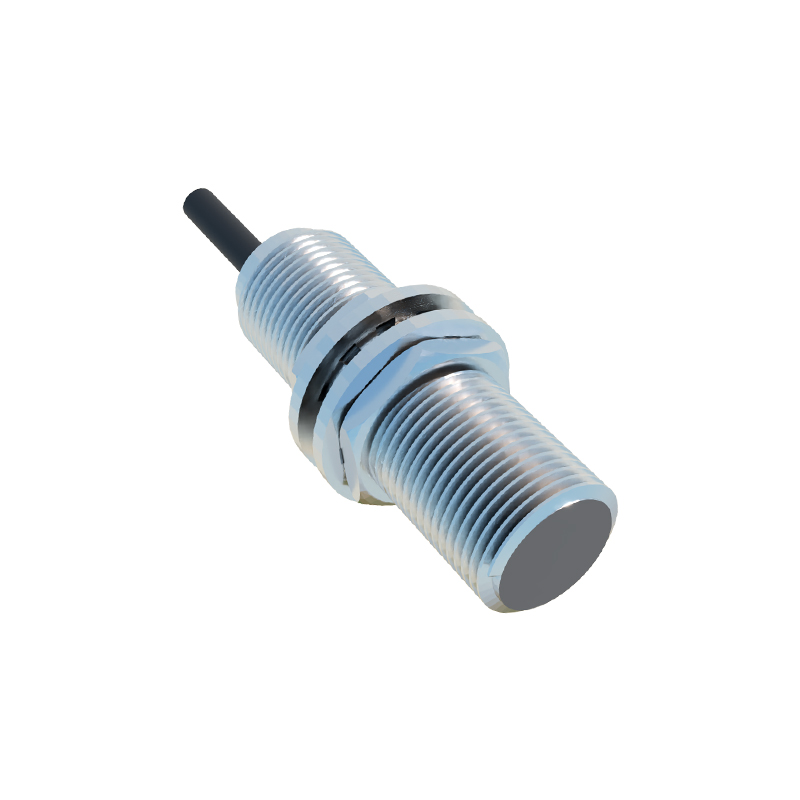
In conclusion, infrared proximity sensors offer a versatile, reliable, and cost-effective solution for non-contact detection. Their continued development, driven by the demands of Industry 4.0 and smart automation, ensures they will remain a fundamental tool for engineers designing the interactive and automated systems of the future. From ensuring safety on a factory floor to enabling intuitive user interactions, the applications of this technology are both profound and pervasive.