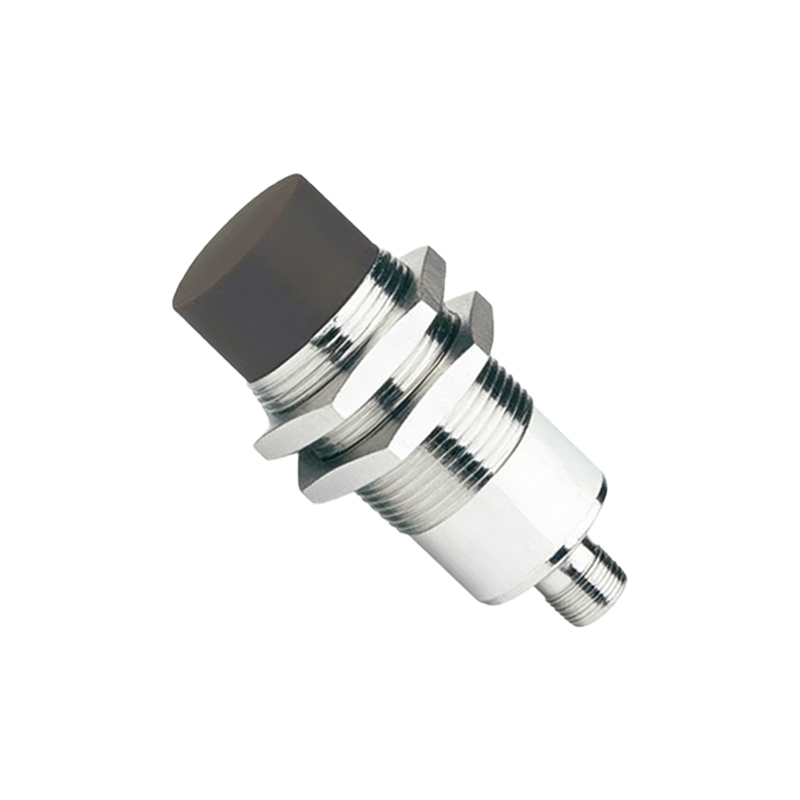
Vibration displacement sensors are critical instruments in the field of condition monitoring and predictive maintenance. They measure the absolute distance or positional change of a vibrating object relative to a fixed reference point. Unlike velocity or acceleration sensors, displacement sensors directly quantify the actual movement or "runout" of a machine component, such as a shaft, bearing, or casing. This measurement is paramount for assessing clearances, detecting misalignment, and identifying unbalance in rotating machinery, often providing the first warning signs of potential failure.
The operating principle of most industrial vibration displacement sensors is based on eddy current technology. These non-contact sensors generate a high-frequency electromagnetic field from a coil in the probe tip. When this field interacts with a conductive target material, typically the machine's metal shaft, it induces circular electrical currents called eddy currents in the target. These eddy currents create their own opposing magnetic field. The sensor's electronics measure the interaction between these fields, which changes proportionally with the gap between the probe tip and the target. This change is converted into a precise voltage output directly correlated to displacement. Key advantages of eddy current sensors include their ability to operate in harsh environments with oil, water, and high temperatures, and their requirement for no physical contact with the moving target, eliminating wear.
Other technologies also serve specific displacement measurement needs. Linear Variable Differential Transformers (LVDTs) are contact-type sensors that use electromagnetic induction to measure linear position. They offer high accuracy and robustness, often used in hydraulic cylinder positioning or valve stem travel measurement. Capacitive displacement sensors operate by detecting changes in capacitance between the sensor and a conductive target. They provide extremely high resolution for nanoscale measurements but are sensitive to environmental factors like humidity and material non-conductivity. Laser triangulation sensors use a focused laser beam and a position-sensitive detector to measure displacement with high precision over longer ranges, suitable for applications like surface profiling or vibration analysis on non-metallic materials.
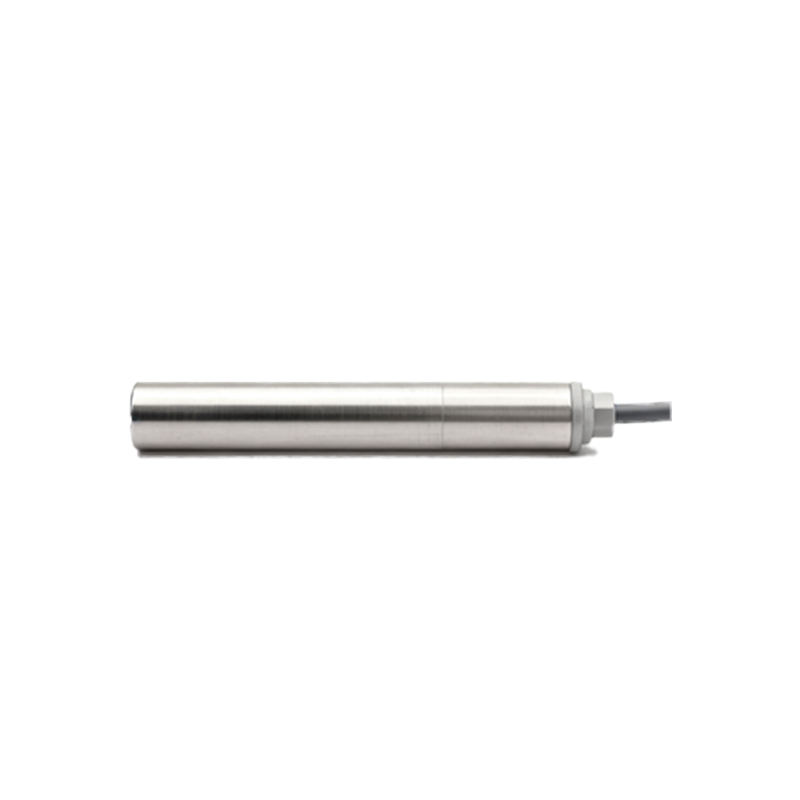
Selecting the appropriate vibration displacement sensor depends on several application-specific factors. The measurement range is primary; common industrial probes are available in ranges from 0.5 mm to 50 mm or more. Frequency response is crucial, as the sensor must be capable of tracking the vibration frequencies of interest, typically from 0 Hz (DC) to several kilohertz for monitoring shaft relative motion. Target material and environment dictate the sensor type; eddy current sensors require a conductive target of sufficient size and thickness. Installation considerations, such as probe mounting, cable routing, and the integration with monitoring systems like PLCs or dedicated vibration analyzers, are vital for reliable data acquisition.
In practical industrial applications, vibration displacement sensors are indispensable. They are the cornerstone of rotor dynamics analysis in turbomachinery like turbines, compressors, and large pumps. By monitoring shaft position within journal bearings (radial vibration) and axial thrust position, these sensors protect against catastrophic damage from oil whirl, rubs, and excessive thrust loading. They are routinely used for checking runout and alignment during machine installation and commissioning. In the power generation and heavy industries, continuous monitoring of displacement trends allows maintenance teams to schedule interventions proactively, minimizing unplanned downtime and optimizing operational efficiency and safety. The data from these sensors, when integrated into a comprehensive condition monitoring system, forms a powerful tool for asset management and reliability engineering.