In the rapidly evolving landscape of automotive engineering, proximity sensors for tailgates have emerged as a pivotal technology, seamlessly blending safety with user convenience. These sensors, typically integrated into the rear of vehicles, detect the presence of objects or individuals near the tailgate, preventing accidental collisions during opening or closing operations. As vehicles become smarter and more automated, the role of these sensors extends beyond mere obstacle detection to encompass a holistic approach to vehicle access and security.
The core functionality of tailgate proximity sensors revolves around their ability to monitor the immediate environment. Utilizing technologies such as ultrasonic, capacitive, or electromagnetic sensing, these devices emit signals and analyze reflections to determine distances. When an object is detected within a predefined range—often adjustable based on manufacturer settings—the system triggers an automatic halt or reversal of the tailgate movement. This not only safeguards against damage to the vehicle or surrounding property but also mitigates risks of injury, particularly in crowded settings like parking lots or family garages where children or pets might be present.
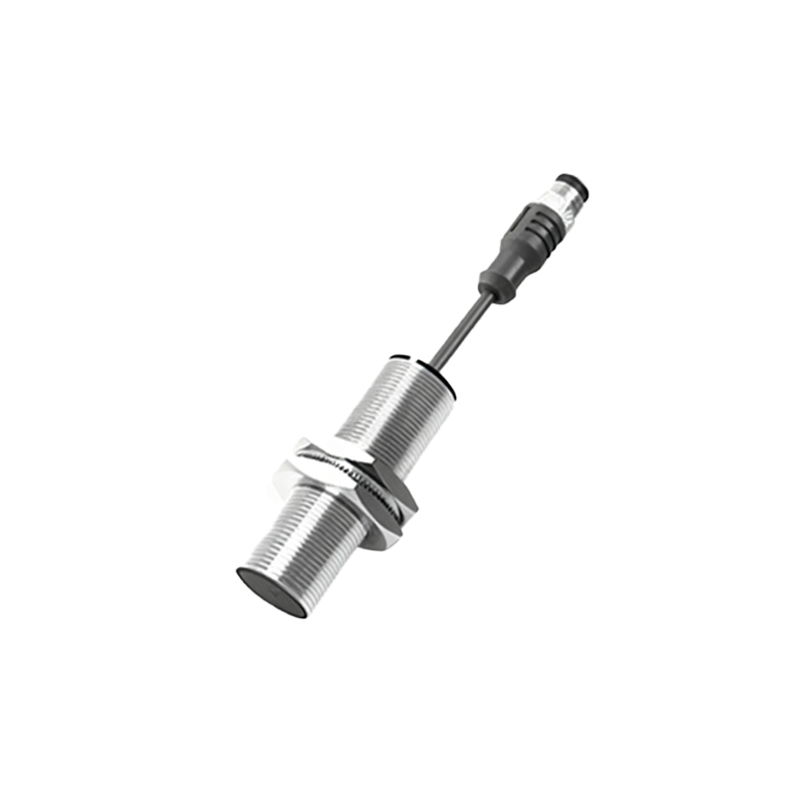
From an engineering perspective, the integration of these sensors involves meticulous design considerations. Factors such as sensor placement, environmental resilience, and interference mitigation are critical. For instance, sensors must be shielded from adverse weather conditions like rain, snow, or extreme temperatures, which could affect accuracy. Additionally, electromagnetic interference from other vehicle components requires robust shielding and signal processing algorithms to ensure reliable performance. Modern systems often incorporate redundancy, with multiple sensors providing overlapping coverage to eliminate blind spots and enhance reliability.
The benefits of tailgate proximity sensors are multifaceted. For consumers, they offer unparalleled convenience, allowing for hands-free operation via key fobs or smartphone apps—a feature especially valuable when carrying groceries or equipment. Safety-wise, these sensors align with global automotive safety standards, reducing liability for manufacturers and fostering consumer trust. Moreover, as electric and autonomous vehicles gain traction, proximity sensors contribute to energy efficiency by preventing unnecessary operations and integrating with broader vehicle networks for optimized functionality.
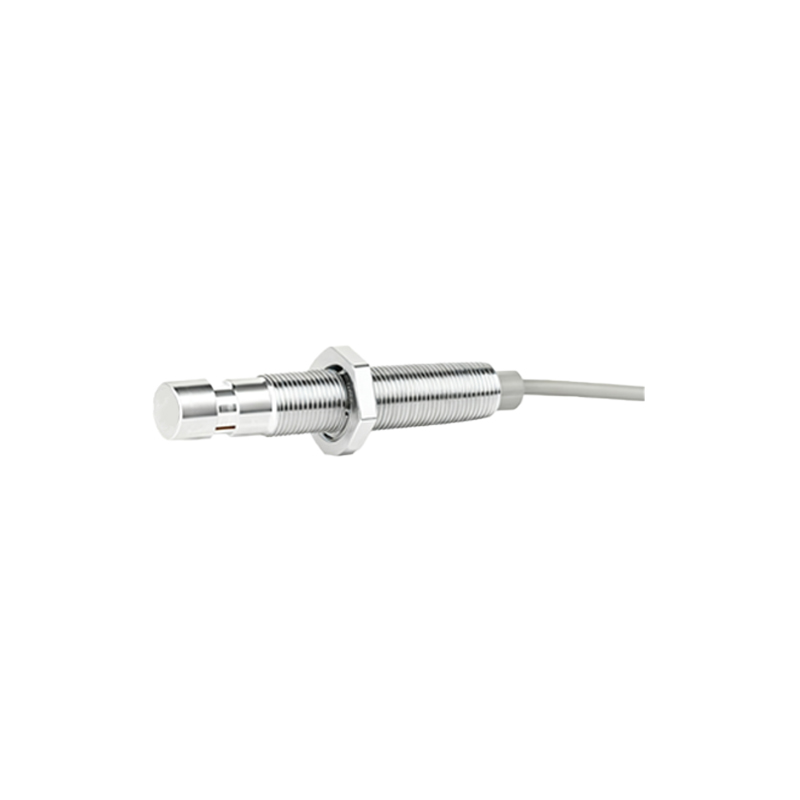
Looking ahead, advancements in sensor technology promise even greater capabilities. Innovations like LiDAR (Light Detection and Ranging) and AI-driven predictive analytics could enable sensors to distinguish between static objects and moving entities, adapting responses in real-time. Furthermore, connectivity with Internet of Things (IoT) platforms may allow for remote diagnostics and over-the-air updates, ensuring long-term adaptability. In conclusion, tailgate proximity sensors represent a critical intersection of safety, convenience, and innovation in the automotive sector, driving toward a future where vehicles are not only smarter but also more intuitive and secure for all users.