In the realm of industrial automation and control systems, proximity sensors play a pivotal role in detecting the presence or absence of objects without physical contact. These devices are essential for enhancing efficiency, safety, and precision in various applications, from manufacturing lines to robotics. Based on their underlying detection principles, proximity sensors can be broadly classified into two major categories: inductive proximity sensors and capacitive proximity sensors. Understanding the distinctions between these types is crucial for selecting the appropriate sensor for specific operational needs.
Inductive proximity sensors are designed to detect metallic objects. They operate on the principle of electromagnetic induction. The sensor generates an oscillating electromagnetic field from its coil and ferrite core. When a metallic target enters this field, eddy currents are induced on the surface of the metal, causing a change in the oscillation amplitude. This alteration is detected by the sensor's circuitry, which then triggers an output signal, typically a switch or digital signal. Inductive sensors are highly reliable and robust, making them ideal for harsh industrial environments where dust, oil, or moisture may be present. They are commonly used in applications such as metal detection in conveyor systems, position sensing in machinery, and counting metallic parts. Key advantages include their long operational life, high switching frequency, and immunity to non-metallic materials. However, their limitation lies in being exclusive to metallic targets, which restricts their use in scenarios involving non-metallic objects.
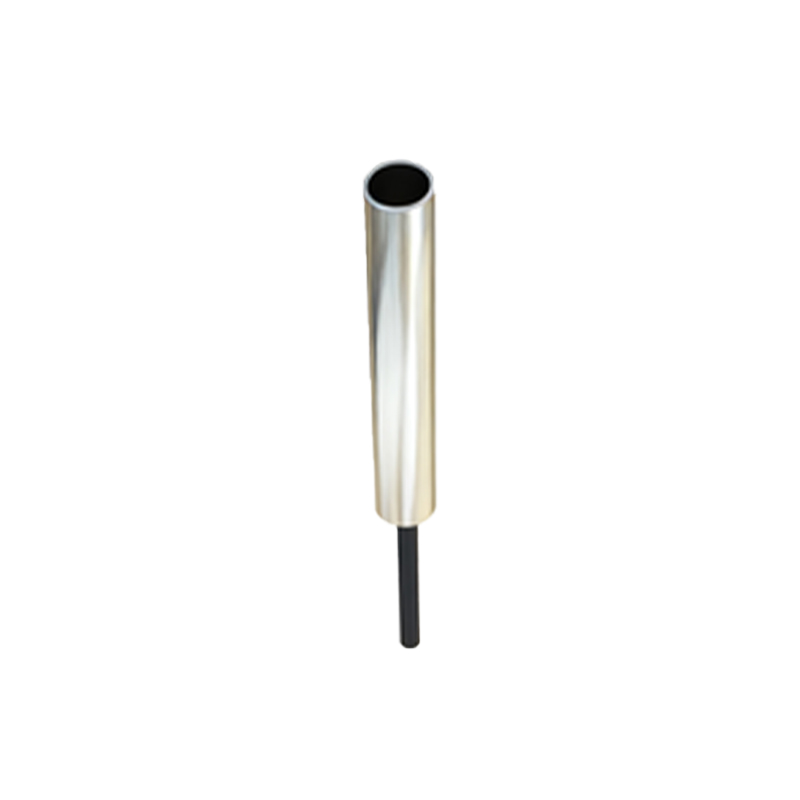
On the other hand, capacitive proximity sensors are versatile devices capable of detecting both metallic and non-metallic materials, including liquids, plastics, glass, and wood. They function based on changes in capacitance. The sensor consists of an electrode that forms one plate of a capacitor, with the target object acting as the other plate. When an object approaches the sensor, it alters the dielectric constant of the space between them, leading to a change in capacitance. This change is measured by the sensor's electronic circuit, which outputs a signal when a predefined threshold is reached. Capacitive sensors are particularly useful in applications involving material handling, level detection in tanks, and presence sensing of non-metallic items. They offer sensitivity adjustment features, allowing users to fine-tune detection based on material properties. Despite their versatility, capacitive sensors can be influenced by environmental factors like humidity or temperature, requiring careful installation and calibration to avoid false triggers.
Both inductive and capacitive proximity sensors are available in various form factors, such as cylindrical, rectangular, or ring-shaped designs, to suit different mounting and space requirements. They also come in multiple output configurations, including NPN, PNP, analog, and IO-Link, enabling seamless integration with programmable logic controllers (PLCs) and other control systems. When choosing between these two categories, engineers must consider factors like target material, sensing distance, environmental conditions, and cost. For instance, in a metal stamping plant, inductive sensors would be preferred for detecting steel components, while in a packaging line handling cardboard boxes, capacitive sensors would be more appropriate.
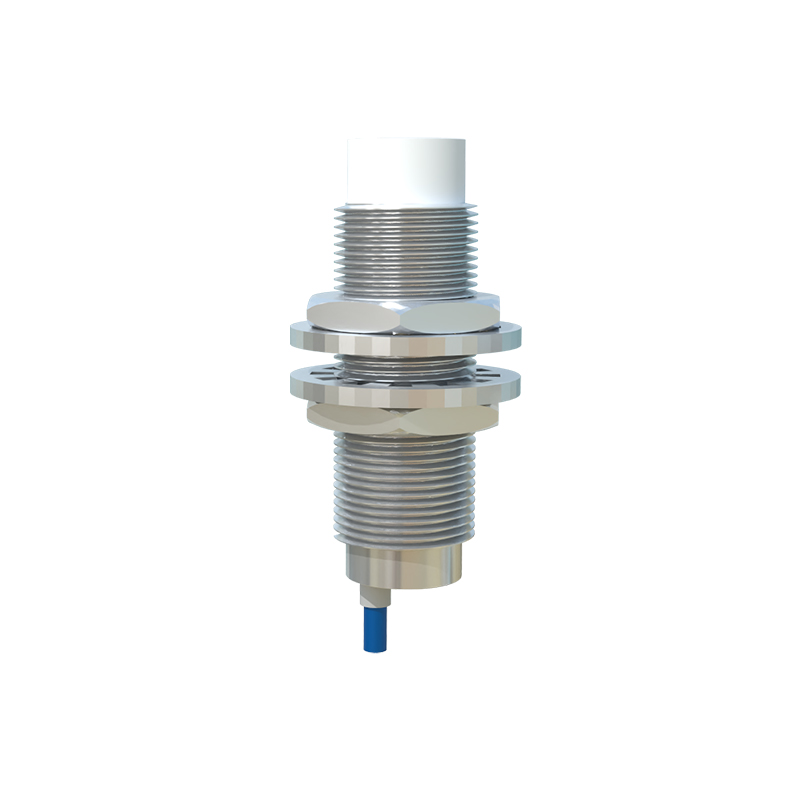
In summary, the division of proximity sensors into inductive and capacitive categories reflects their core detection mechanisms and application scopes. Inductive sensors excel in metallic object detection with high durability, whereas capacitive sensors provide broader material compatibility. By leveraging their unique strengths, industries can optimize automation processes, reduce downtime, and improve overall system performance. As technology advances, innovations such as hybrid sensors and enhanced sensitivity are emerging, further expanding the capabilities of these essential components in modern engineering.