In the demanding and hazardous environment of underground mining, the continuous and accurate monitoring of methane gas concentrations is not merely a regulatory requirement—it is a fundamental pillar of operational safety. Methane (CH4), a colorless, odorless, and highly flammable gas, is a primary component of firedamp and poses a significant explosion risk when its concentration in air reaches between 5% and 15% (the Lower and Upper Explosive Limits). Traditional methods for methane detection, such as catalytic combustion (pellistor) sensors and non-dispersive infrared (NDIR) sensors, have served the industry for decades. However, the advent of laser-based methane detection technology represents a paradigm shift, offering unparalleled precision, reliability, and safety for mining applications.
The core technology behind a laser methane sensor is Tunable Diode Laser Absorption Spectroscopy (TDLAS). This method operates on a fundamental principle: molecules absorb light at specific, unique wavelengths. A laser diode within the sensor is precisely tuned to emit a narrow-band light beam at an absorption line wavelength specific to methane molecules (typically around 1653 nm in the near-infrared spectrum). This laser beam is directed across an open path—the measurement zone—towards a detector or a retroreflector. As the beam traverses the air sample, methane molecules present absorb a portion of the light energy. The detector measures the attenuation of the light beam. The degree of absorption is directly proportional to the number of methane molecules in the path, allowing for a highly accurate calculation of the gas concentration, often expressed in percent by volume (% vol) or parts per million (ppm).
For the mining industry, the advantages of laser methane sensors over legacy technologies are substantial and multifaceted. Firstly, they offer exceptional selectivity and freedom from interference. The laser is tuned so precisely that it is only absorbed by methane, making the sensor immune to poisoning or inhibition by other gases commonly found in mines, such as hydrogen sulfide, silicones, or high levels of carbon dioxide, which can permanently damage or skew the readings of catalytic bead sensors. This leads to drastically reduced false alarms and much lower long-term maintenance costs.
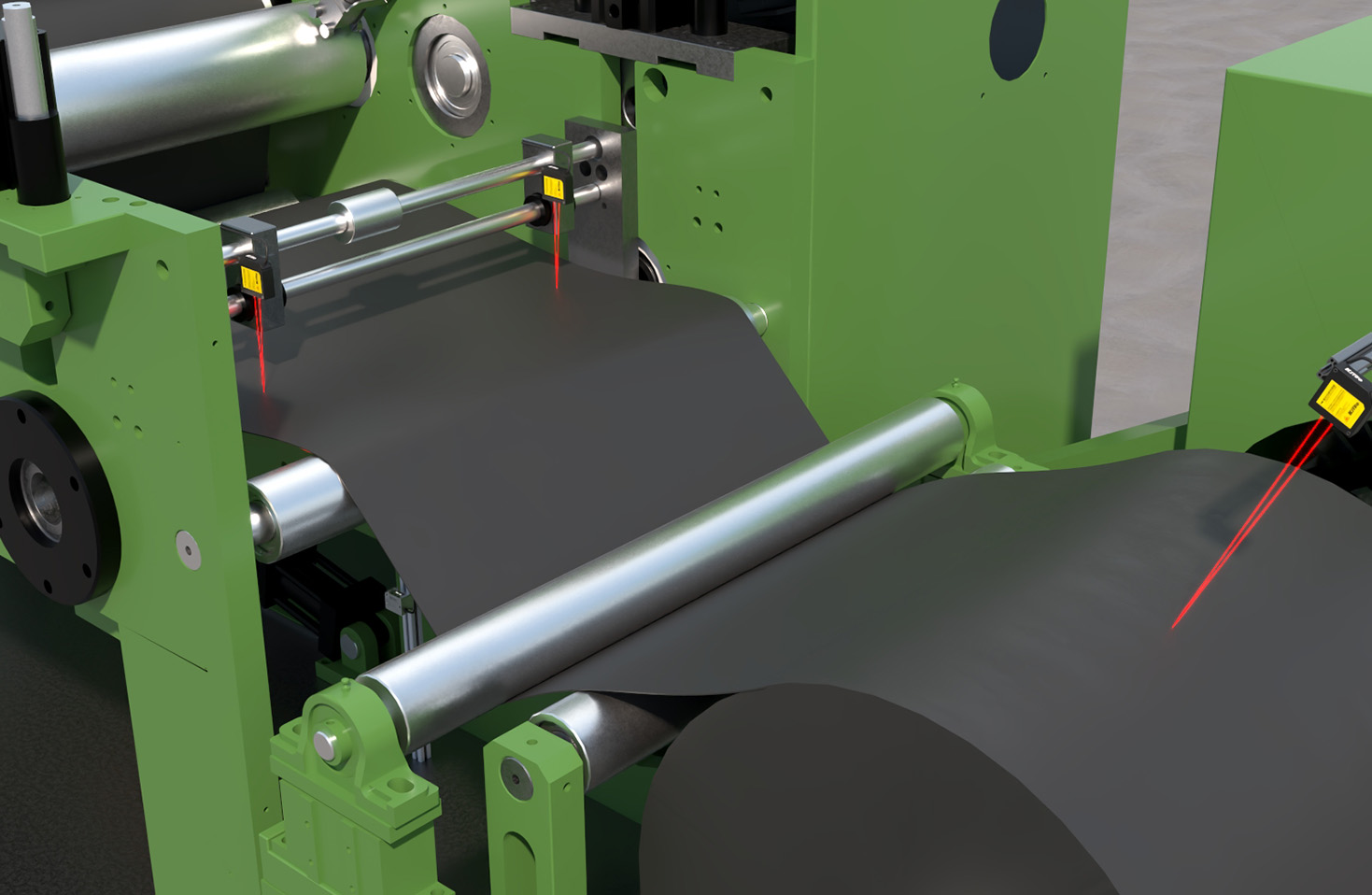
Secondly, laser sensors provide a non-intrusive and rapid response. Many systems are configured as open-path sensors, meaning the laser beam measures the integrated methane concentration along its entire path length, which can be several meters. This creates a large "sensing volume," offering a significant advantage over point sensors that only sample air at a single location. It enables the detection of gas clouds or accumrations that might be missed by a point detector, providing early warning of methane migration or buildup in ventilation curtains, along roof lines, or in front of mining machinery. The response time is typically in the range of a few seconds, allowing for real-time monitoring critical for dynamic mining faces.
Thirdly, the technology boasts superior long-term stability and requires minimal calibration. Unlike catalytic sensors, whose active elements degrade over time and require frequent bump testing and calibration, laser sensors have no consumable parts. Their calibration drift is negligible over extended periods, often requiring verification only once a year, which significantly reduces operational downtime and the logistical challenges of calibrating sensors in remote underground locations.
The practical applications in mining are extensive. Laser methane sensors are ideally deployed at key strategic points: at the inlet and outlet of ventilation shafts to monitor overall methane drainage and airflow effectiveness; on continuous miners, shearers, and other cutting machinery to provide real-time feedback and enable automatic machine shutdown if dangerous thresholds are approached; along conveyor belts and in bunkers where coal dust and methane can create explosive atmospheres; and within methane drainage systems to monitor the purity and concentration of extracted gas. Their robustness allows them to withstand the harsh conditions of mines, including vibration, dust, and humidity.
Integration into the mine's broader safety and automation ecosystem is straightforward. Modern laser sensors provide standard 4-20 mA analog outputs, Modbus digital signals, or wireless connectivity, feeding data directly into the mine's Supervisory Control and Data Acquisition (SCADA) system, Gas Monitoring System (GMS), or programmable logic controllers (PLCs). This enables centralized monitoring, data logging, trend analysis, and the activation of auxiliary safety measures like increased ventilation or alarm sirens.
In conclusion, the implementation of laser methane sensor technology in mining operations marks a significant advancement in industrial safety. By delivering fast, accurate, interference-free, and spatially broad methane detection, these sensors provide a more reliable and comprehensive safety net than ever before. They empower mining operators to proactively manage methane-related risks, protect personnel, safeguard critical assets, and ensure compliance with increasingly stringent safety regulations, all while optimizing operational efficiency through reduced maintenance and false alarms. As the technology continues to evolve, becoming more compact and cost-effective, its role as a cornerstone of modern mine gas detection strategy is firmly established.