In industrial automation and fluid control systems, three-way valves are critical components for directing flow, mixing, or diverting media. Ensuring their precise operation often relies on proximity sensors, which detect valve position without physical contact. But where exactly should these sensors be installed for optimal performance? This guide delves into the key mounting locations, considerations, and best practices from an engineering perspective.
The primary function of a proximity sensor on a three-way valve is to confirm the actuator's position—typically indicating whether the valve is in the "A," "B," or "C" port alignment, or in an intermediate state for modulating valves. The most common and effective installation point is on the valve actuator, not the valve body itself. Specifically, sensors are mounted on the actuator's rotary or linear mechanism where positional change is most apparent.
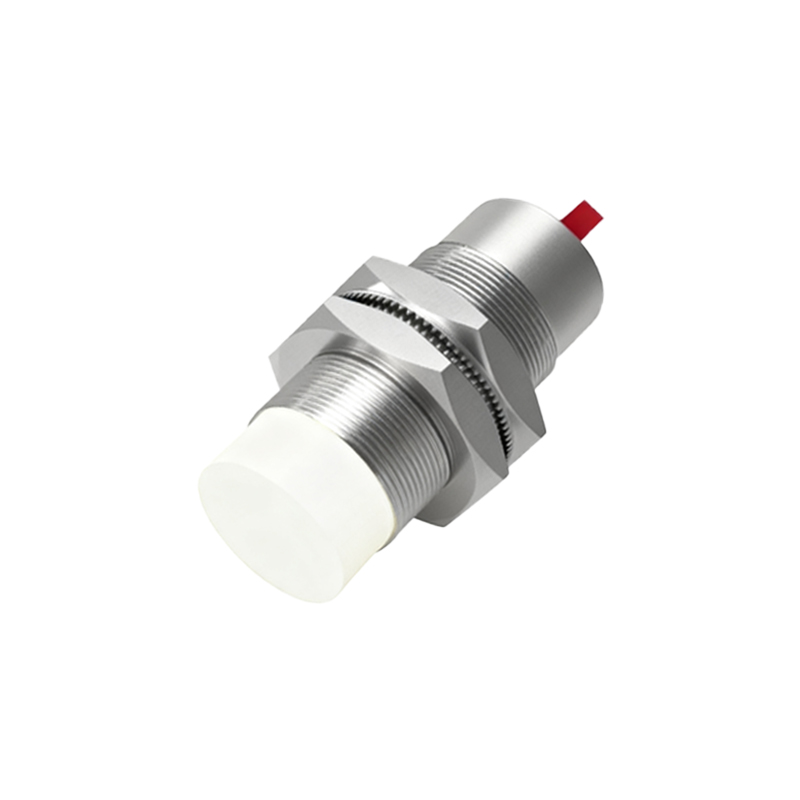
For rotary actuators (common in ball or plug-type three-way valves), the sensor is often positioned to detect the actuator shaft's rotation. A metallic target (like a cam or flag) is attached to the shaft. As the shaft rotates to different positions, the target moves relative to the sensor. The sensor should be mounted on the actuator housing, aligned so that the target passes within its sensing range at each critical position. For example, in a three-way L-port ball valve, two sensors might be used: one to detect the "flow to port A" position and another for "flow to port B," with the sensor triggered when the cam aligns accordingly.
In linear actuators (used with globe or gate-style three-way valves), the sensor detects the linear motion of the piston or stem. Here, the target is typically a metal piece on the moving stem. The sensor is fixed to the actuator body, positioned to sense the stem at fully extended or retracted positions. For three-way valves, this often means one sensor for each end position, indicating diversion or mixing modes.
Key locations include:
1. Actuator Shaft or Stem: Direct mounting here provides real-time feedback on movement. Ensure the target material (e.g., steel for inductive sensors) is compatible with the sensor type.
2. Position Indicator Mounts: Many actuators have built-in slots for sensors on their position indicators. This simplifies installation and aligns with factory calibration.
3. Valve Linkage Points: In some custom setups, sensors can be placed on linkage arms that translate actuator motion to valve movement, though this adds complexity.
Critical considerations for installation:
- Sensor Type: Inductive sensors are standard for metal targets in harsh environments, while capacitive or magnetic sensors suit non-metallic setups. Choose based on the actuator's material and media conditions (e.g., explosive atmospheres may require intrinsically safe sensors).
- Sensing Range and Gap: Maintain the recommended gap between sensor and target (usually 1-5 mm). Vibration or thermal expansion can affect this, so use adjustable brackets for fine-tuning.
- Environmental Factors: Protect sensors from temperature extremes, moisture, chemicals, and mechanical shock. IP67 or higher enclosures are advisable in washdown or outdoor applications.
- Electrical Integration: Wire sensors to the control system (PLC) with proper shielding to avoid interference from motor drives or power lines. Use PNP or NPN outputs as per the system's logic.
Best practices include:
- Always refer to the valve and actuator manufacturer's guidelines for sensor compatibility and mounting points.
- Perform regular calibration checks to ensure the sensor triggers at the exact valve position, preventing false signals that could disrupt process control.
- In redundant systems, install dual sensors for critical applications to enhance reliability.
In summary, proximity sensors on three-way valves are best installed on the actuator's moving parts—shafts for rotary models or stems for linear ones—with precise alignment to targets. This ensures accurate position feedback, reduces downtime, and optimizes system safety. Proper selection and mounting, tailored to the specific valve design and operating environment, are essential for seamless automation.