In modern industrial automation systems, the seamless integration of proximity switch sensors with Variable Frequency Drives (VFDs) is critical for achieving precise motor control, enhanced safety, and operational efficiency. Proximity sensors, known for their non-contact detection capabilities, are widely used to monitor the position, speed, or presence of metallic objects. When interfaced with VFDs, these sensors enable sophisticated control schemes that optimize processes in applications ranging from conveyor systems to robotic arms.
The fundamental principle involves using the sensor's output signal to influence the VFD's operation. Typically, a proximity switch provides a digital signal (e.g., PNP or NPN transistor output) upon detecting a target. This signal is wired to one of the VFD's programmable digital inputs. Within the VFD's parameter settings, this input can be configured to trigger specific actions, such as initiating a speed change, starting or stopping the motor, or activating a predefined acceleration/deceleration ramp. For instance, in a packaging line, a sensor detecting an object on a conveyor can signal the VFD to increase the motor speed, ensuring timely processing.
Proper wiring and configuration are paramount to avoid malfunctions. Electrically, compatibility between the sensor's output type and the VFD's input circuit must be verified. Most industrial VFDs accept both sinking (NPN) and sourcing (PNP) inputs, often through a common terminal. It is essential to check voltage ratings—common sensor outputs are 10-30V DC, which must match the VFD input specifications. Shielding cables and maintaining proper grounding minimize electromagnetic interference (EMI) from the VFD, which can cause false triggering of sensitive sensors. Physical placement of the sensor should also consider the strong magnetic fields generated by motor cables connected to the VFD; maintaining adequate distance or using shielded conduits is recommended.
Advanced integration leverages the sensor feedback for closed-loop control. While VFDs primarily operate in open-loop scalar or vector control modes, a proximity sensor can provide rudimentary feedback for simple positional control. For example, in a repetitive indexing application, a sensor detecting a reference mark on a rotating shaft can reset a position counter in the VFD, ensuring accurate stopping points. For more complex motion, a PLC often acts as an intermediary, processing multiple sensor signals and sending commands to the VFD via discrete inputs or communication networks like Modbus or PROFINET.
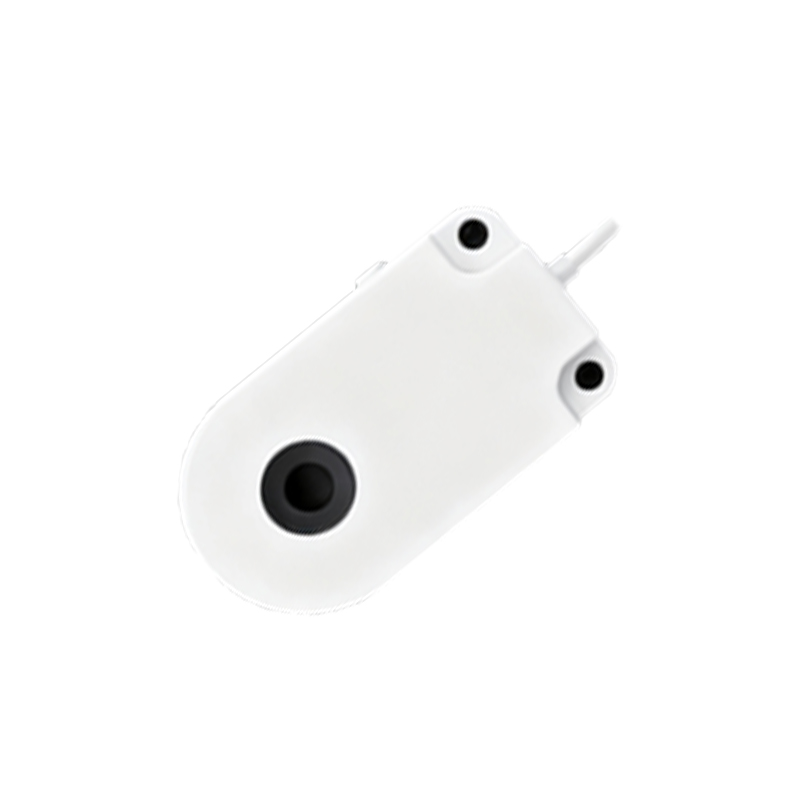
The benefits of this integration are substantial. It enhances system responsiveness, allowing for immediate reaction to process changes detected by the sensor. This leads to reduced cycle times, improved product quality, and prevention of jams or collisions. Energy efficiency is also boosted, as the VFD can adjust motor speed based on actual demand signaled by the sensors, rather than running continuously at full speed. Furthermore, safety interlocks can be implemented; a sensor monitoring a guard door, for instance, can be wired to a safety-rated input on the VFD to initiate a safe torque-off (STO) function, protecting personnel.
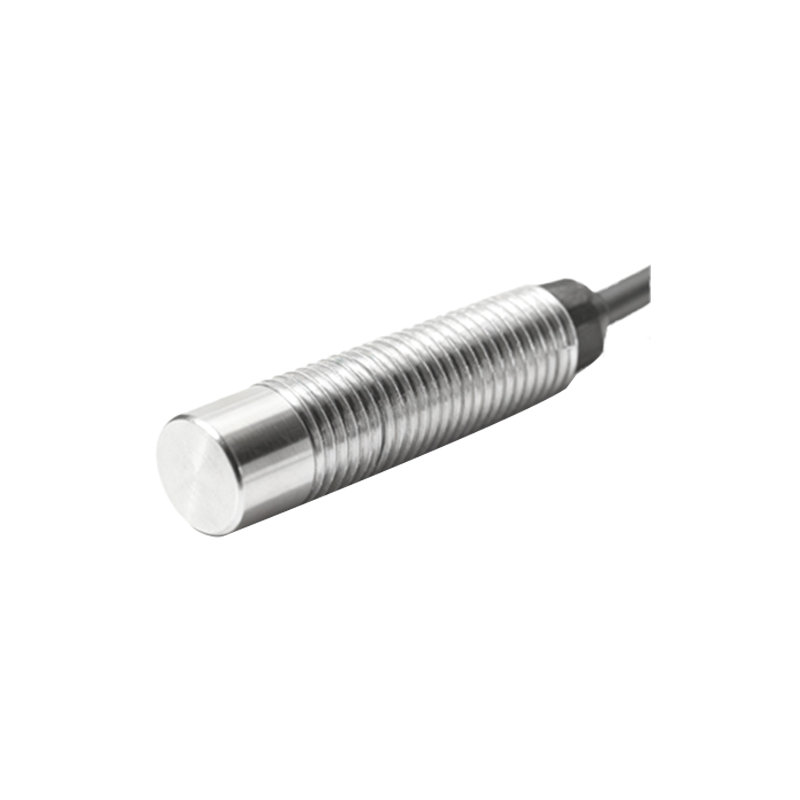
However, challenges exist. Electrical noise remains a primary concern. VFDs generate significant harmonic noise during switching, which can interfere with sensor signals. Using filters, ferrite cores, and twisted-pair cables for sensor wiring mitigates this. Additionally, the response time of both the sensor and the VFD input must be considered for high-speed applications to ensure the system reacts within the required time window. Regular maintenance, including checking sensor alignment and cleaning sensing faces, ensures long-term reliability.
In conclusion, the synergy between proximity sensors and VFDs forms a cornerstone of automated industrial motion control. By understanding the electrical interface, configuring parameters correctly, and implementing robust noise suppression techniques, engineers can create reliable and efficient systems. As Industry 4.0 advances, this integration will further evolve with smart sensors and drives communicating directly over industrial Ethernet, enabling even greater levels of data exchange and predictive control.