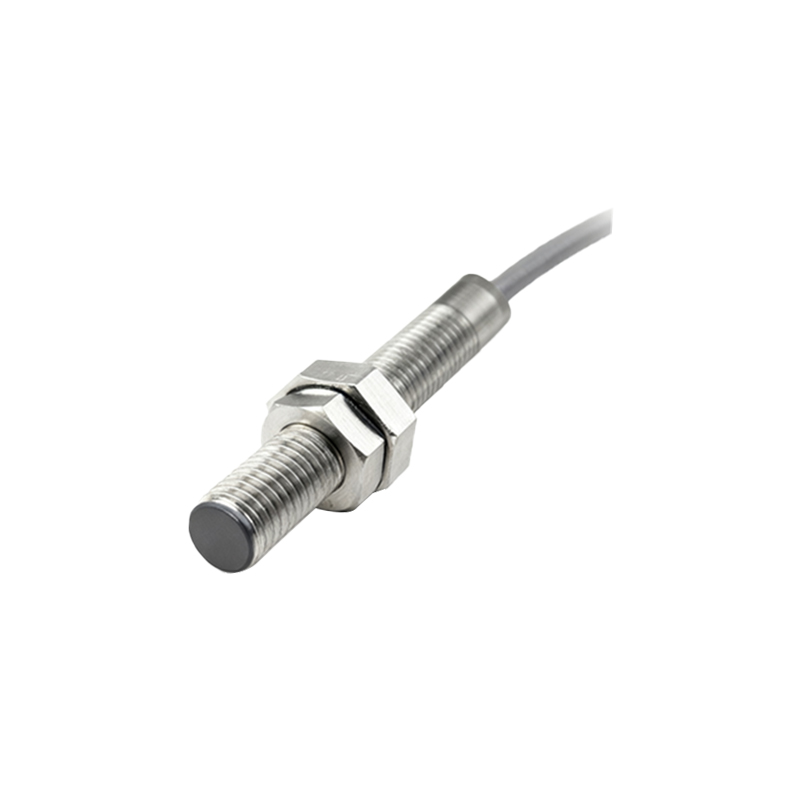
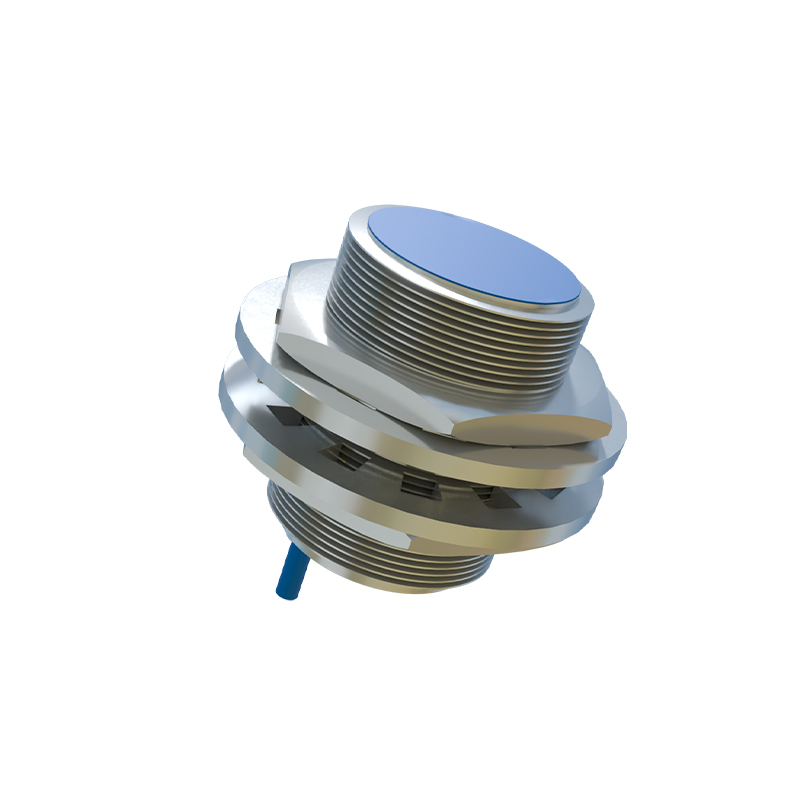
In the demanding landscape of industrial automation, particularly within hazardous environments such as oil and gas refineries, chemical processing plants, and grain handling facilities, the selection of sensing technology is critical. Explosion-proof ultrasonic proximity sensors have emerged as a robust and reliable solution for non-contact detection and measurement in areas where flammable gases, vapors, or combustible dusts are present. Unlike standard sensors, these devices are housed within specially designed enclosures that can contain any internal spark or explosion, preventing ignition of the surrounding atmosphere. This article provides a comprehensive overview of the factors influencing the pricing of these specialized sensors, offering valuable insights for procurement specialists and engineers.
The cost of an explosion-proof ultrasonic proximity sensor is not a single figure but a spectrum determined by a confluence of technical specifications, certifications, and brand value. At the core, the sensing range is a primary cost driver. Standard models with a range of up to 1 meter are typically more economical, while long-range variants capable of detecting objects at 6 meters or more command a premium due to more sophisticated transducer technology and signal processing electronics. The type of output also significantly impacts price. Basic models with a simple switching output (PNP/NPN) are less expensive than those featuring analog outputs (4-20 mA, 0-10V) or advanced digital interfaces like IO-Link, which provide enhanced diagnostics and parameterization capabilities.
Certification is arguably the most critical and cost-intensive aspect. Sensors intended for global markets must carry approvals from recognized bodies. The ATEX (Europe) and IECEx (International) certifications are the most common, but specific regions may require additional approvals like UL/CSA (North America) or NEPSI (China). The specific zone classification (e.g., Zone 1/21 for gas/dust, or Zone 0/20 for higher risk) directly influences the design complexity and material requirements of the housing, thereby affecting the price. A sensor certified for Zone 0 will be substantially more expensive than one rated for Zone 2.
Construction materials and housing design are pivotal. Enclosures are typically made from robust materials like stainless steel (316L is common for corrosion resistance) or brass with heavy-duty glass windows. The ingress protection (IP) rating, with IP67 and IP69K being standard for harsh environments, adds to the manufacturing cost. Furthermore, features such as adjustable sensing windows, temperature compensation (for stable operation across a wide temperature range, e.g., -40°C to +70°C), and built-in diagnostics (like LED status indicators or teach-in functions) contribute to a higher price point but offer greater operational flexibility and reduced downtime.
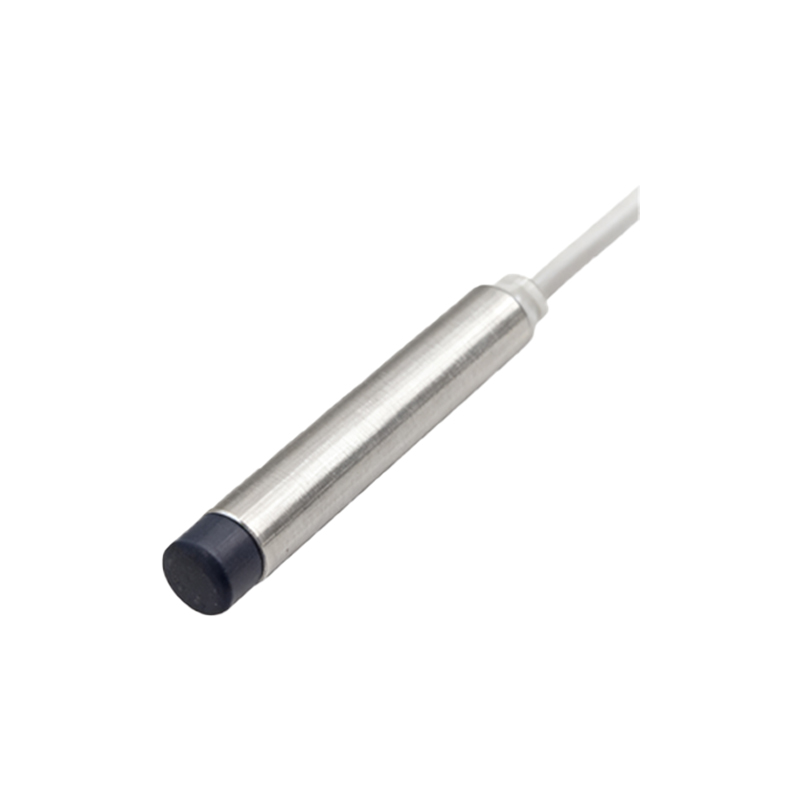
Brand reputation and supply chain support play a significant role in pricing. Established global manufacturers like Pepperl+Fuchs, Siemens, Balluff, and Banner Engineering often price their products higher due to extensive R&D, proven field reliability, and comprehensive global technical support. However, several competitive and reputable mid-tier brands offer high-quality alternatives at a more accessible price point, especially for standard applications. It is crucial to evaluate the total cost of ownership, which includes not just the initial purchase price but also installation costs, maintenance needs, and the potential cost of sensor failure in a critical process.
As a general pricing guide (note: prices are indicative and subject to change based on market and configuration), a basic explosion-proof ultrasonic sensor with a 1m range, PNP output, and ATEX Zone 2 certification may start in the range of $200 to $400. Mid-range models with a 3m range, analog output, IO-Link, and Zone 1 certification can range from $500 to $900. High-end, long-range (6m+) sensors with full Zone 0/20 certifications, stainless steel housing, and advanced diagnostic features can easily exceed $1,200 to $2,000 per unit. Always request detailed quotations from multiple suppliers, specifying the exact technical requirements and desired certifications to ensure an accurate comparison. Investing in the right sensor, though potentially costly upfront, mitigates immense safety risks and ensures long-term, reliable operation in the most challenging industrial settings.