Laser detection sensors are integral to modern industrial automation, offering unparalleled precision, speed, and reliability. Their performance, however, is fundamentally dependent on the quality and synergy of their internal components. This article delves into the critical accessories and parts that constitute a high-performance laser sensor system, explaining their functions and importance in ensuring optimal operation.
At the core of any laser sensor is the Laser Diode. This component generates the coherent, monochromatic light beam essential for detection. The choice of diode—varying in wavelength (common ranges include 650nm red light, 850nm infrared)—directly impacts the sensor's range, visibility (for alignment purposes), and suitability for different materials. A stable, high-quality diode with precise drive circuitry is paramount for consistent beam output and long-term accuracy.
The emitted laser beam is then shaped and directed by Optical Lenses. Typically made from high-grade glass or specialized plastics, these lenses collimate the beam to prevent excessive divergence over distance. Collimating lenses ensure the laser spot remains small and well-defined at the target, which is crucial for detecting minute objects or precise edges. Some sensors also incorporate receiver lenses to focus the reflected light efficiently onto the photodetector.
The Photodetector (often a photodiode or phototransistor) is the receiver component that converts the reflected or interrupted light signal back into an electrical signal. Its sensitivity and response time are critical parameters. Advanced sensors may use Position Sensitive Detectors (PSD) or CMOS/CCD arrays for precise position detection, enabling tasks like height profiling or edge detection beyond simple presence/absence.
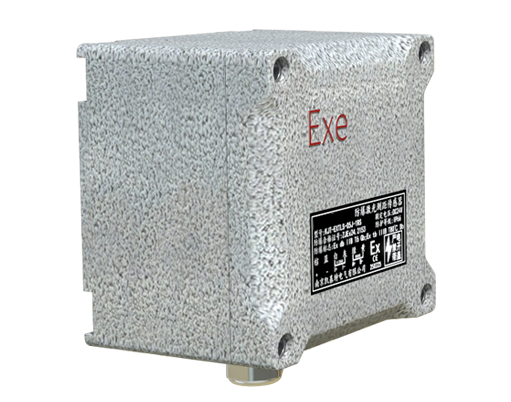
Housing and Mechanical Parts are frequently overlooked but vital. The housing provides IP-rated protection (e.g., IP67) against dust, moisture, and physical impact, ensuring durability in harsh industrial environments. Precision-machined mounting brackets, adjustable bases, and alignment fixtures allow for secure, stable, and repeatable installation, which is essential for maintaining calibration.
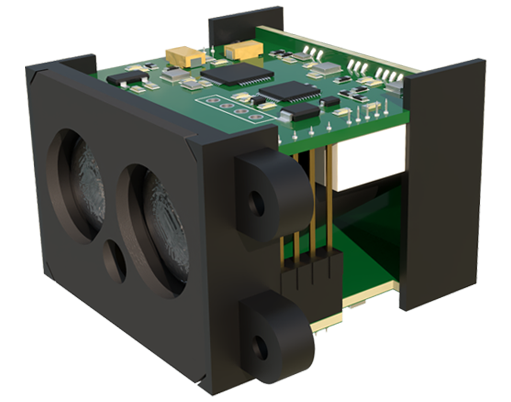
Electronic Control and Amplifier Units process the weak signal from the photodetector. This circuitry includes amplifiers to boost the signal, filters to eliminate ambient light interference (like from factory lighting), and comparators to set switching thresholds. The quality of this circuitry determines the sensor's signal-to-noise ratio, directly affecting its stability and ability to detect low-contrast objects.
For connectivity and integration, Cables and Connectors are essential accessories. Robust, shielded cables with M8 or M12 connectors (industry standards) ensure reliable signal transmission and power supply, resisting electromagnetic interference common in plants with motors and drives. Some sensors feature quick-disconnect designs for easy maintenance and replacement.
Specialized Accessories further enhance functionality. These include polarizing filters to reduce glare from reflective surfaces, protective windows to shield the lens from weld spatter or debris, and fiber optic cables for remote sensing in high-temperature or space-constrained applications. External alignment tools, such as visible beam finders for infrared lasers, are also crucial for initial setup.

In conclusion, the efficacy of a laser detection sensor is not merely a function of its stated specifications but a result of the integrated performance of all its components. From the laser source and optics to the electronics and rugged housing, each part plays a definitive role. For engineers and system integrators, understanding these components aids in selecting the right sensor, performing effective maintenance, and troubleshooting issues, thereby maximizing uptime and precision in automated systems. Regular inspection and cleaning of optical surfaces, verification of mechanical stability, and monitoring of signal integrity are recommended best practices to sustain long-term performance.