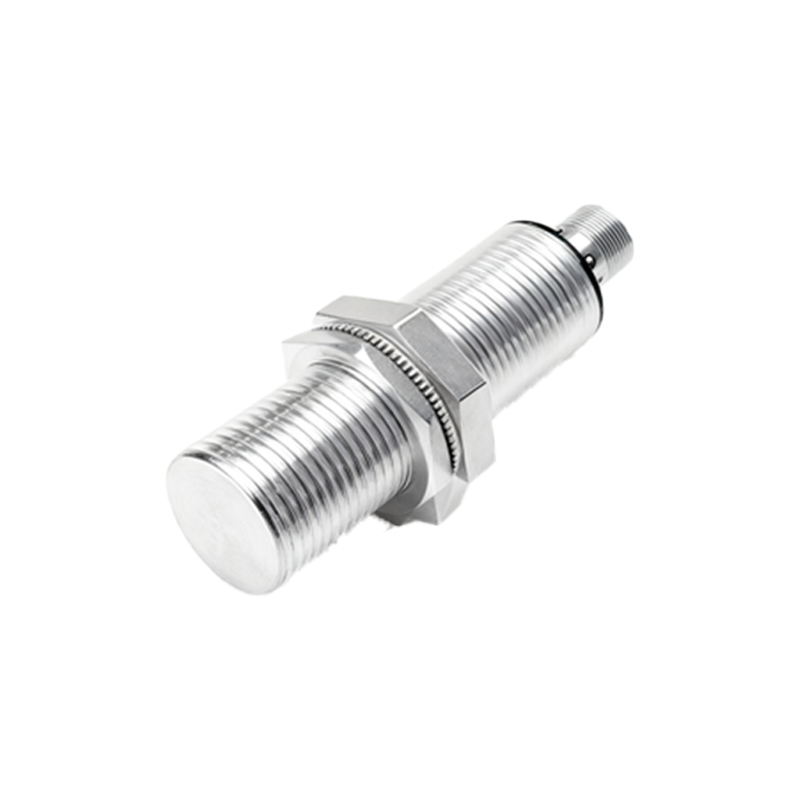
In the intricate landscape of industrial automation, micro proximity sensors stand as pivotal components, enabling precise, non-contact detection in confined spaces. These sensors, known for their compact size, high reliability, and rapid response times, are essential in applications ranging from robotics and assembly lines to medical devices and consumer electronics. However, sourcing these critical components effectively often hinges on partnering with the right agent or distributor. A specialized micro proximity sensor agent serves as more than just a supplier; they act as a technical consultant and logistics partner, bridging the gap between manufacturers and end-users.
The role of a proficient agent begins with an in-depth understanding of sensor technologies. Micro proximity sensors come in various types, including inductive, capacitive, and photoelectric models, each suited to specific materials and environmental conditions. Inductive sensors, for instance, detect metallic objects without physical contact, making them ideal for metal detection in machinery. Capacitive sensors can handle non-metallic materials like plastics or liquids, while photoelectric sensors use light beams for detection across longer distances. A knowledgeable agent assesses client needs—such as sensing range, output type (e.g., NPN or PNP), and environmental factors like temperature or humidity—to recommend the optimal sensor. This technical expertise ensures that the selected component integrates seamlessly into existing systems, minimizing downtime and enhancing operational efficiency.
Beyond product selection, a reliable agent provides value-added services that streamline the procurement process. They maintain robust inventory management, ensuring timely availability of sensors even during supply chain disruptions. Many agents offer customization options, such as modifying cable lengths or housing materials, to meet unique application requirements. Additionally, they provide comprehensive support, including datasheet analysis, installation guidance, and troubleshooting assistance. For engineers and procurement managers, this support translates into reduced design cycles and lower total cost of ownership. By fostering long-term partnerships, agents keep clients updated on the latest advancements, such as miniaturized designs with enhanced sensitivity or IoT-enabled sensors for smart factory integration.
The global market for micro proximity sensors is expanding, driven by trends like Industry 4.0 and the proliferation of automated systems. In this competitive arena, agents differentiate themselves through quality assurance and logistical prowess. They source sensors from reputable manufacturers that adhere to international standards (e.g., IP67 ratings for dust and water resistance), ensuring durability in harsh industrial environments. Moreover, agents handle complex logistics, including customs clearance and expedited shipping, to deliver components worldwide. For businesses, this means access to cutting-edge technology without geographical constraints, enabling innovation in product development and process optimization.
In conclusion, collaborating with a skilled micro proximity sensor agent is a strategic move for any organization leveraging automation. These partners offer not only high-quality components but also the technical insight and logistical support necessary for success. As industries continue to evolve toward smarter, more efficient operations, the agent’s role becomes increasingly vital in navigating the complexities of sensor technology. By choosing a trusted agent, companies can enhance their competitive edge, ensuring reliable performance and future-ready solutions in an ever-advancing technological landscape.