In the rapidly evolving landscape of industrial automation, ultrasonic proximity sensors have become indispensable components for non-contact detection, distance measurement, and object positioning. These sensors operate by emitting high-frequency sound waves and analyzing the reflected echoes, making them highly effective in challenging environments where dust, moisture, or varying light conditions may compromise other sensing technologies. As demand grows across manufacturing, packaging, automotive, and material handling sectors, selecting a reliable brand is crucial for ensuring precision, durability, and seamless integration. This article explores leading ultrasonic proximity sensor brands renowned for their innovation, performance, and industry-specific solutions.
SICK AG, a German powerhouse in sensor technology, stands out for its comprehensive portfolio of ultrasonic sensors designed for complex industrial tasks. Known for robust construction and high immunity to environmental interference, SICK's sensors excel in applications ranging from fill-level monitoring in silos to precise positioning on assembly lines. Their devices often feature advanced diagnostics, IO-Link connectivity, and customizable parameters, allowing engineers to fine-tune performance for specific operational needs. With a global support network and a strong emphasis on R&D, SICK continues to set benchmarks in accuracy and reliability.
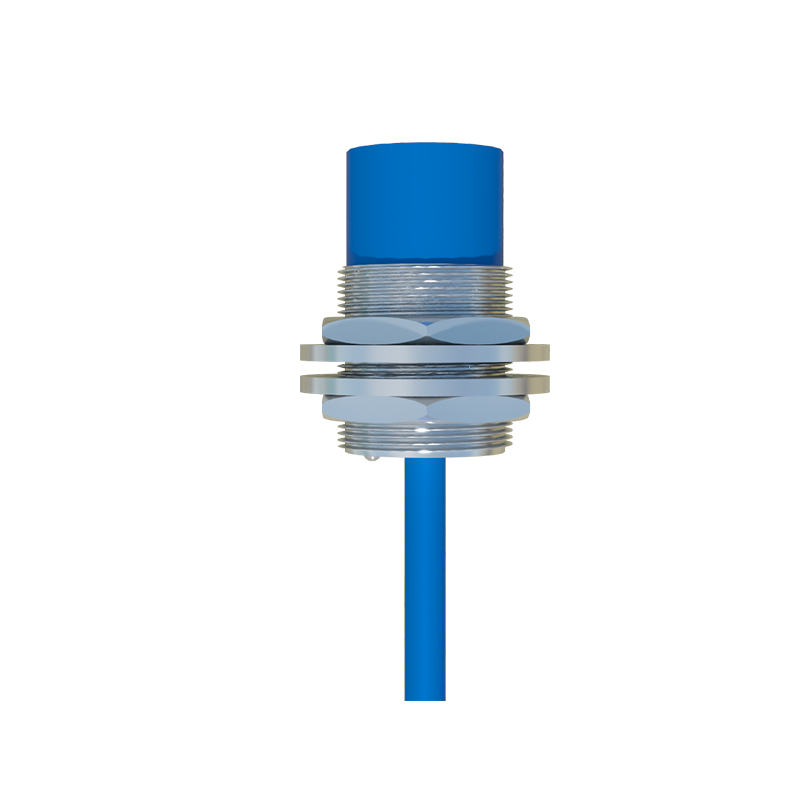
Another key player, Pepperl+Fuchs, leverages decades of expertise in intrinsic safety and hazardous area solutions. Their ultrasonic sensors are engineered to withstand extreme conditions, including corrosive atmospheres and temperature fluctuations. Pepperl+Fuchs emphasizes user-friendly design, offering sensors with intuitive setup tools like teach-in functions and clear visual indicators. The brand is particularly favored in chemical, pharmaceutical, and oil & gas industries, where safety and fail-safe operation are non-negotiable. Their modular approach enables easy integration into existing control systems, reducing downtime and maintenance costs.
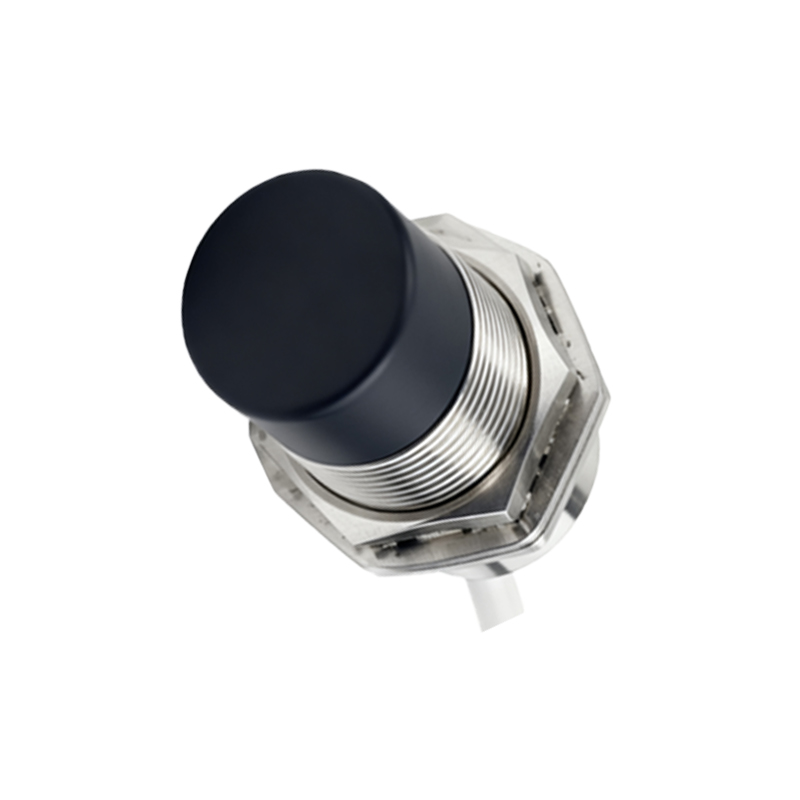
Omron Corporation, a Japanese leader in automation, brings innovation to the forefront with compact, multi-functional ultrasonic sensors. Omron's models often incorporate features such as background suppression, temperature compensation, and noise filtering, enhancing stability in dynamic settings. The brand's E2E series, for instance, is praised for its consistent performance in detecting transparent or irregularly shaped objects—a common challenge in packaging and robotics. Omron also provides extensive software support, including simulation tools that help engineers visualize sensor placement and optimize detection ranges before deployment.
Balluff GmbH, with its focus on smart factory concepts, offers ultrasonic sensors that seamlessly integrate into Industry 4.0 ecosystems. Balluff's products emphasize connectivity, with many sensors equipped with IO-Link, PROFINET, or EtherNet/IP interfaces for real-time data exchange. This enables predictive maintenance, remote configuration, and enhanced process transparency. Their sensors are known for high repeat accuracy and resistance to coating buildup, making them ideal for dirty or wet environments like food processing or wastewater treatment plants. Balluff's global technical support ensures tailored solutions for complex automation challenges.
Banner Engineering rounds out the list with a reputation for cost-effective, versatile ultrasonic sensors suitable for diverse applications. Based in the United States, Banner emphasizes simplicity and durability, producing sensors that are easy to install and operate without sacrificing performance. Their Q45 series, for example, offers both analog and discrete outputs, allowing flexibility in system design. Banner sensors are widely used in logistics for pallet detection, in agriculture for grain level sensing, and in automotive for robot guidance. The brand's commitment to innovation is evident in its development of sensors with extended ranges and narrow beam angles for precise detection in confined spaces.
When evaluating these brands, engineers should consider factors such as sensing range, output type (analog, digital, or switch), environmental ratings (IP67/IP69K), and compatibility with control architectures. Ultrasonic sensors from top brands typically offer teach-in capabilities, temperature compensation, and robust housing materials like stainless steel or PBT plastic. As industries move toward smarter automation, features like IO-Link and cloud connectivity are becoming standard, enabling sensors to transmit diagnostic data and facilitate condition monitoring.
In conclusion, the choice of an ultrasonic proximity sensor brand hinges on application-specific requirements, environmental conditions, and integration needs. Brands like SICK, Pepperl+Fuchs, Omron, Balluff, and Banner Engineering each bring unique strengths, whether in ruggedness, connectivity, or precision. By partnering with a reputable manufacturer, industries can enhance operational efficiency, reduce downtime, and future-proof their automation systems. Continuous advancements in ultrasonic technology promise even greater accuracy and functionality, solidifying the role of these sensors in the industrial landscape.