In the realm of industrial automation, where precision, reliability, and safety are non-negotiable, special purpose proximity switch sensors stand as critical components. Unlike standard inductive or capacitive sensors, these specialized devices are engineered to perform in extreme or highly specific conditions, offering tailored solutions for complex applications. Their core function remains non-contact object detection, but their design and operational parameters are fine-tuned to overcome challenges where conventional sensors would fail.
The defining characteristic of a special purpose proximity sensor is its adaptation to harsh or unique environments. Consider high-temperature manufacturing processes, such as glass production or metal casting. Standard sensors have operational limits that would be quickly exceeded in these settings, leading to failure. Special high-temperature proximity sensors are constructed with heat-resistant materials, specialized housing, and electronics designed to withstand ambient temperatures often exceeding 150°C, ensuring continuous monitoring and control without interruption.
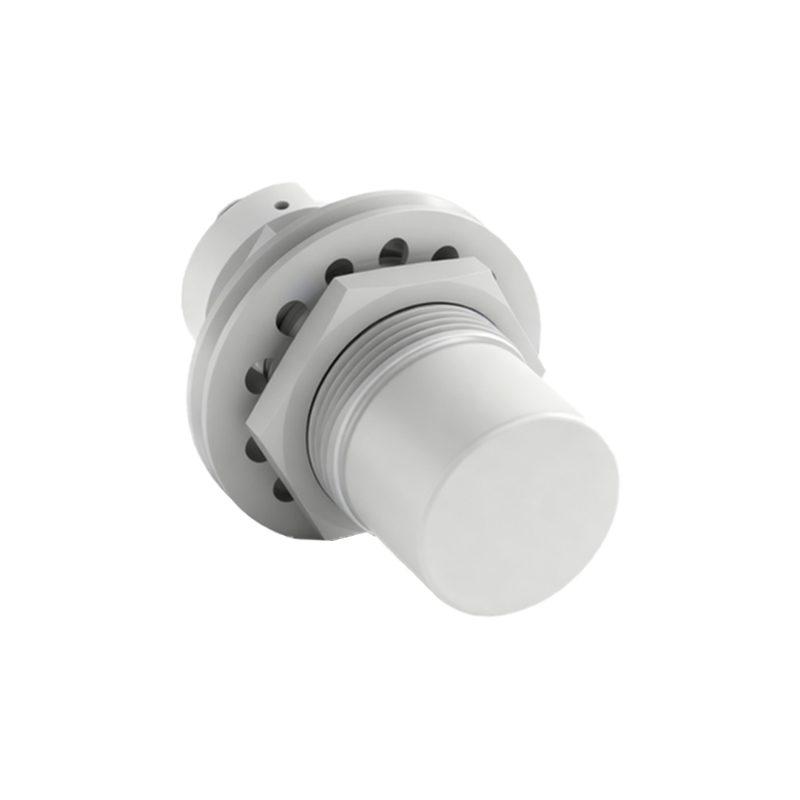
Similarly, in industries like chemical processing, pharmaceuticals, or food and beverage, sensors must resist corrosive substances, frequent washdowns with high-pressure, caustic cleaners, or exposure to steam. Here, stainless steel housings—often grade 316L—with superior sealing (IP68/IP69K ratings) are standard. These sensors are not merely protected; they are hermetically sealed to prevent ingress of liquids, oils, and particulates, guaranteeing hygiene and longevity in sterile or aggressive conditions.
Another vital category includes sensors designed for specific detection tasks. For instance, weld-field immune inductive sensors are crucial in robotic welding cells. The intense magnetic fields generated during arc welding can cause standard inductive sensors to trigger falsely or malfunction. Weld-field immune variants incorporate shielding and specialized circuitry that filters out this electromagnetic interference, allowing them to reliably detect fixture clamps or parts without being "blinded" by the welding process.
For applications involving small or difficult-to-detect targets, such as tiny screws, thin wires, or specific markings on packaging, specialized sensors with enhanced sensitivity or different technologies are deployed. Factor-1 cylindrical sensors, for example, offer the same sensing range as their housing diameter, allowing for compact installation while detecting small metallic objects. Contrast sensors, a type of photoelectric sensor, can detect minute differences in color or contrast on labels or materials, enabling precise positioning and quality verification on high-speed production lines.
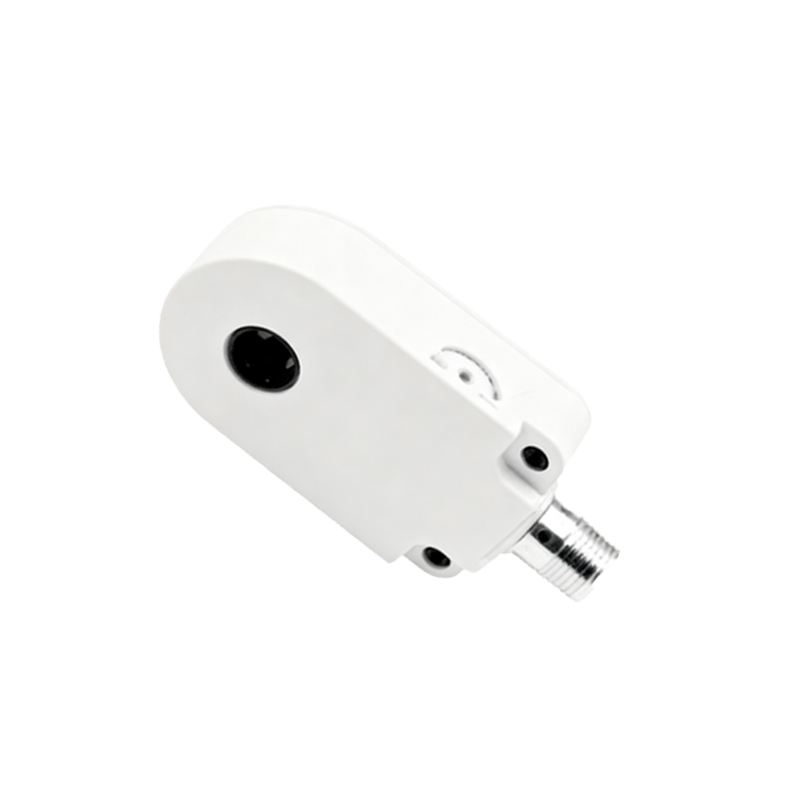
The selection process for a special purpose proximity switch is meticulous. Engineers must evaluate the target material (ferrous metal, non-ferrous metal, plastic, liquid), the required sensing distance, the environmental stressors (temperature, pressure, chemicals, shock/vibration), and the electrical output needs (PNP/NPN, analog, IO-Link). An incorrect choice can lead to unreliable operation, costly downtime, or safety hazards.
Installation and maintenance also require attention. Proper mounting, alignment, and electrical connection are paramount. Many modern special purpose sensors feature advanced diagnostics, such as LED indicators for signal strength or IO-Link communication, which provides detailed status information, parameterization, and condition monitoring directly to the control system, enabling predictive maintenance.
In conclusion, special purpose proximity switch sensors are the unsung heroes of advanced automation. They move beyond basic presence detection to enable sophisticated, robust, and reliable operations in the most demanding industrial landscapes. From ensuring a robotic arm grips a red-hot component correctly to verifying a pharmaceutical vial is properly sealed in a sterile environment, these sensors provide the essential data that keeps modern industry moving safely, efficiently, and intelligently. Their continued evolution, integrating smarter diagnostics and connectivity, will further solidify their role in the factories of the future.