Proximity sensors are indispensable components in modern industrial systems, offering non-contact detection of objects with high precision and reliability. These sensors operate by emitting electromagnetic fields or beams to identify the presence, absence, or position of metallic or non-metallic targets without physical contact. Their durability, fast response times, and adaptability to harsh environments make them ideal for a wide range of applications. Below, we explore eight classic uses of proximity sensors that highlight their versatility and critical role in enhancing efficiency and safety across various industries.
First, in automated assembly lines, proximity sensors are employed for precise object detection and positioning. They ensure components are correctly aligned before robotic arms perform tasks like welding or fastening, reducing errors and improving production speed. For instance, inductive sensors detect metal parts on conveyor belts, triggering actuators to sort or assemble items seamlessly.
Second, these sensors play a key role in material handling systems, such as in packaging machinery. By monitoring the movement of products on belts, they prevent jams and optimize flow, enabling smooth operations in logistics and distribution centers. Capacitive sensors can even detect non-metallic materials like plastics or liquids, ensuring no gaps in the process.
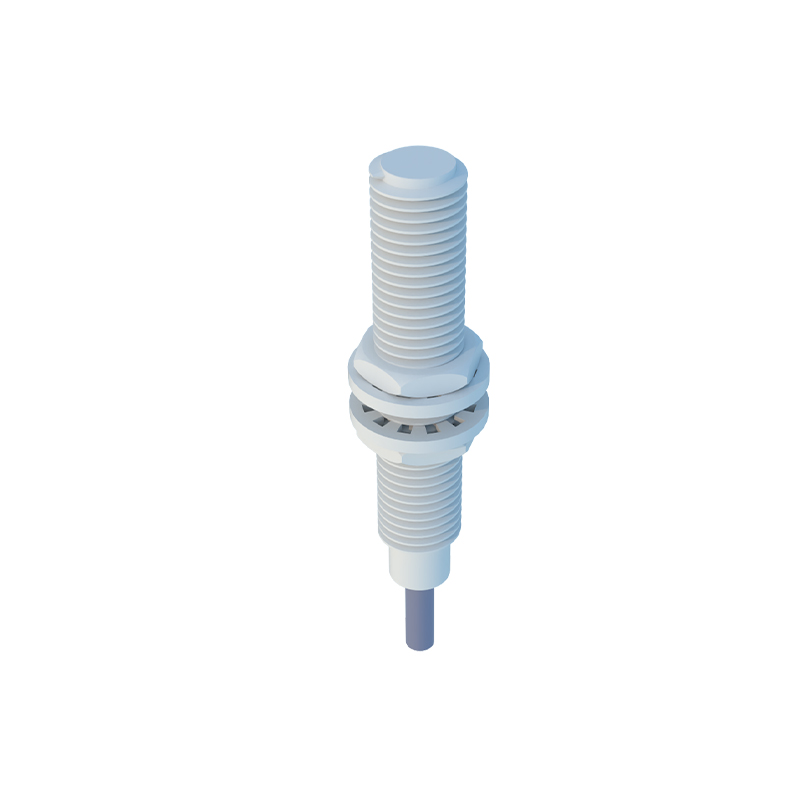
Third, in automotive manufacturing, proximity sensors contribute to safety and quality control. They are used in robotic painting lines to maintain consistent distances between sprayers and car bodies, ensuring uniform coatings. Additionally, they help in brake system testing by detecting pedal positions, enhancing vehicle reliability.
Fourth, for machine guarding and safety, proximity sensors act as non-intrusive barriers. In areas with moving machinery, they detect when personnel or objects enter hazardous zones, immediately shutting down equipment to prevent accidents. This application is crucial in compliance with occupational safety standards like OSHA regulations.
Fifth, in the food and beverage industry, hygienic designs of proximity sensors allow for contamination-free monitoring. They detect fill levels in containers or control valve positions in processing lines, ensuring sanitary conditions while maintaining high throughput. Stainless steel housings resist corrosion from cleaning agents.
Sixth, these sensors facilitate precise counting and inventory management. In warehouses, they track items on shelves or during loading, providing real-time data for stock control. This reduces manual labor and minimizes errors in supply chain operations.
Seventh, in renewable energy sectors, such as wind turbines, proximity sensors monitor blade positions and detect structural anomalies. By enabling predictive maintenance, they help avoid costly downtimes and extend equipment lifespan, supporting sustainable energy production.
Eighth, for elevator and escalator systems, proximity sensors ensure smooth operation and passenger safety. They detect door obstructions or monitor car positions, allowing for automatic adjustments that prevent malfunctions and enhance user experience.
Overall, proximity sensors are foundational to industrial automation, driving innovation through their diverse applications. As technology advances, their integration with IoT and AI promises even greater efficiencies, making them a cornerstone of smart manufacturing and beyond.