In the realm of modern automotive engineering, particularly within the premium segment exemplified by Land Rover vehicles, the integration of advanced sensor technology is paramount. Among these critical components, the universal proximity sensor module stands out as a cornerstone for enhancing both safety and automation functionalities. This article delves into the technical intricacies, operational principles, and industry-wide significance of these sensors, tailored for Land Rover's sophisticated electronic architecture.
Proximity sensors, in a broad sense, are devices that detect the presence or absence of objects within a specified range without physical contact. In Land Rover applications, these sensors are often integrated into a modular system—commonly referred to as a "module universal" design. This design philosophy emphasizes interoperability, scalability, and ease of integration across various vehicle platforms, from the robust Defender to the luxurious Range Rover. The universal module typically interfaces with the vehicle's central electronic control units (ECUs) via standardized communication protocols such as Controller Area Network (CAN) or Local Interconnect Network (LIN). This allows for seamless data exchange, enabling real-time responses to environmental stimuli.
The core technology behind these sensors often involves electromagnetic or ultrasonic principles. Electromagnetic sensors, including inductive and capacitive types, are prevalent for detecting metallic objects—useful in applications like parking assistance or automated door systems. For instance, when a Land Rover vehicle is maneuvering into a tight space, these sensors can detect nearby obstacles and relay information to the infotainment system, providing audible or visual warnings to the driver. Ultrasonic sensors, on the other hand, emit high-frequency sound waves and measure the time taken for echoes to return, making them ideal for more precise distance measurement in adaptive cruise control or blind-spot monitoring systems.
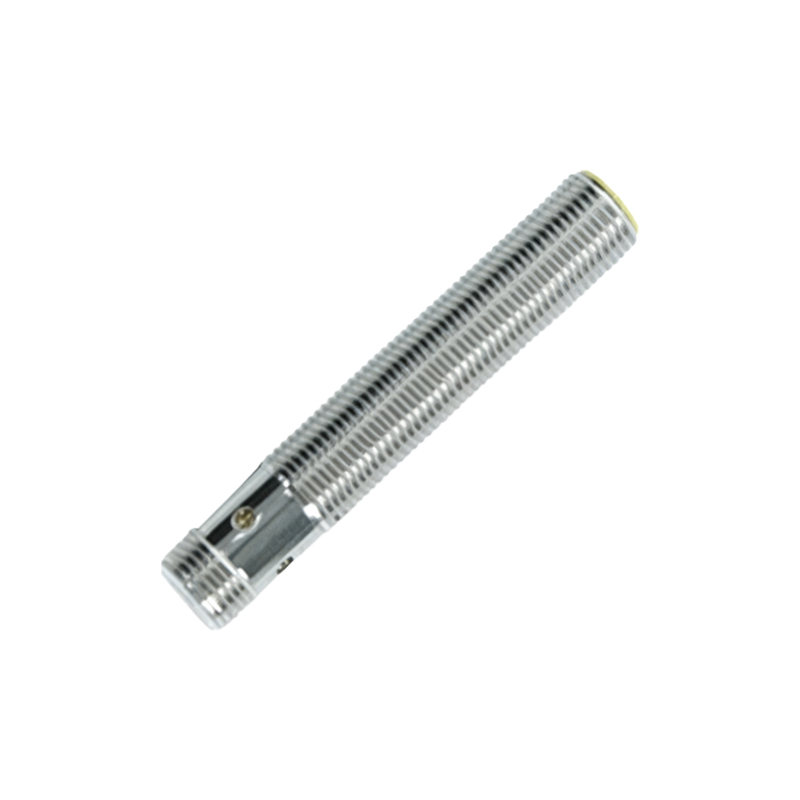
From an engineering perspective, the development of a universal proximity sensor module for Land Rover involves rigorous testing and validation. Factors such as environmental resilience—resistance to temperature extremes, moisture, and vibration—are critical, given the off-road capabilities and diverse climates these vehicles encounter. Engineers must ensure that sensors maintain accuracy and reliability from the scorching heat of deserts to the freezing cold of mountainous terrains. Moreover, electromagnetic compatibility (EMC) is a key consideration to prevent interference with other onboard electronic systems, ensuring that sensor signals remain stable and noise-free.
The benefits of deploying such universal modules are multifaceted. Firstly, they significantly bolster safety features. By providing continuous monitoring of the vehicle's surroundings, these sensors contribute to advanced driver-assistance systems (ADAS), helping to prevent collisions and enhance situational awareness. For example, in Land Rover's Terrain Response system, proximity sensors can aid in navigating challenging landscapes by detecting hidden obstacles. Secondly, they enable higher levels of automation, paving the way for features like hands-free parking or autonomous driving capabilities in future models. This aligns with industry trends toward connected and intelligent vehicles.
Furthermore, the "universal" aspect of these modules offers economic and logistical advantages for manufacturers and service centers. Standardized components reduce inventory complexity, streamline production lines, and simplify maintenance procedures. Technicians can diagnose and replace sensor modules more efficiently, leveraging common tools and diagnostic software across different Land Rover variants. This universality also facilitates software updates and upgrades, allowing for performance enhancements or new feature rollouts via over-the-air (OTA) updates.
In practice, the integration of proximity sensors is evident in various Land Rover functionalities. The Park Assist system utilizes a network of these sensors to create a virtual map of the vehicle's vicinity, while the Cross Traffic Alert system relies on them to warn drivers of approaching vehicles when reversing. Additionally, in luxury trims, sensors may be used for gesture control—allowing users to open tailgates or adjust settings with a wave of the hand—adding a layer of convenience and sophistication.
Looking ahead, the evolution of proximity sensor technology in Land Rover modules is likely to embrace innovations such as solid-state LiDAR or radar integration, offering even greater precision and range. As vehicles become more autonomous, the demand for robust, multi-functional sensor modules will only intensify. Engineers are also exploring AI-driven algorithms to improve object recognition and predictive analytics, enabling sensors to not only detect obstacles but also classify them—distinguishing between a pedestrian, another vehicle, or static object.
In conclusion, the Land Rover module universal proximity sensor represents a critical fusion of electrical engineering and automotive design. Its role in advancing vehicle safety, automation, and user experience cannot be overstated. For industry professionals, understanding these systems is essential for innovation, troubleshooting, and keeping pace with the rapid advancements in automotive electronics. As Land Rover continues to push the boundaries of capability and luxury, these sensors will remain integral to delivering the reliability and intelligence that drivers expect.