In the intricate world of industrial automation and process control, the demand for reliable, precise, and maintenance-free sensing solutions is paramount. Among the array of technologies available, the original capacitive proximity sensor stands out as a sophisticated and versatile tool for non-contact detection. Unlike its inductive counterpart, which is limited to metallic targets, the capacitive sensor operates on a broader principle, capable of detecting a vast range of materials—liquids, powders, granules, plastics, wood, and glass—making it an indispensable component in diverse applications.
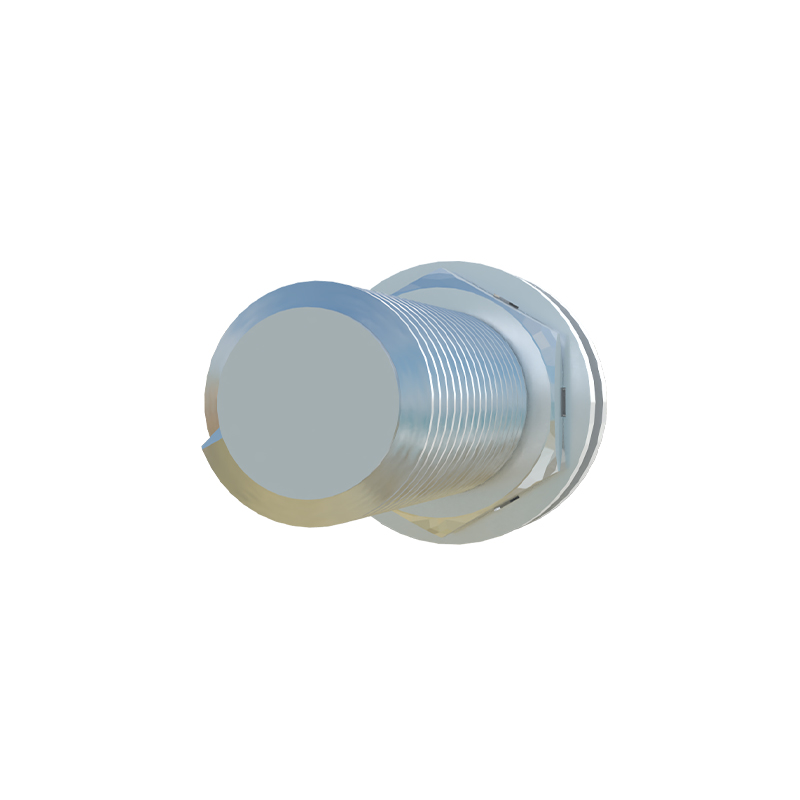
The fundamental operating principle of a capacitive proximity sensor is elegantly rooted in the concept of capacitance. The sensor essentially forms one plate of a capacitor, with the target object acting as the other plate. An internal oscillator generates an electrostatic field emanating from the active face of the sensor. When a target material enters this field, it causes a change in the dielectric constant and thus alters the capacitance of the system. This change is detected by the sensor's circuitry, which subsequently triggers a switching action—either solid-state or relay output—to signal the presence of the object. This mechanism allows for detection through non-metallic container walls, a critical feature for level sensing of liquids or bulk materials in tanks and silos.
The superiority of an original, high-quality capacitive sensor lies in its meticulous engineering and construction. Premium models feature robust, often stainless-steel or PBT housings rated for IP67 or higher, ensuring resilience against harsh industrial environments involving dust, moisture, and chemical exposure. The heart of the sensor is its stable, temperature-compensated oscillator and advanced ASIC (Application-Specific Integrated Circuit) that provides exceptional sensitivity adjustment and immunity to electrical noise. This sensitivity adjustment, typically via a potentiometer or teach-in function, allows users to fine-tune the sensing range to ignore the container wall and focus solely on the target material, eliminating false triggers.
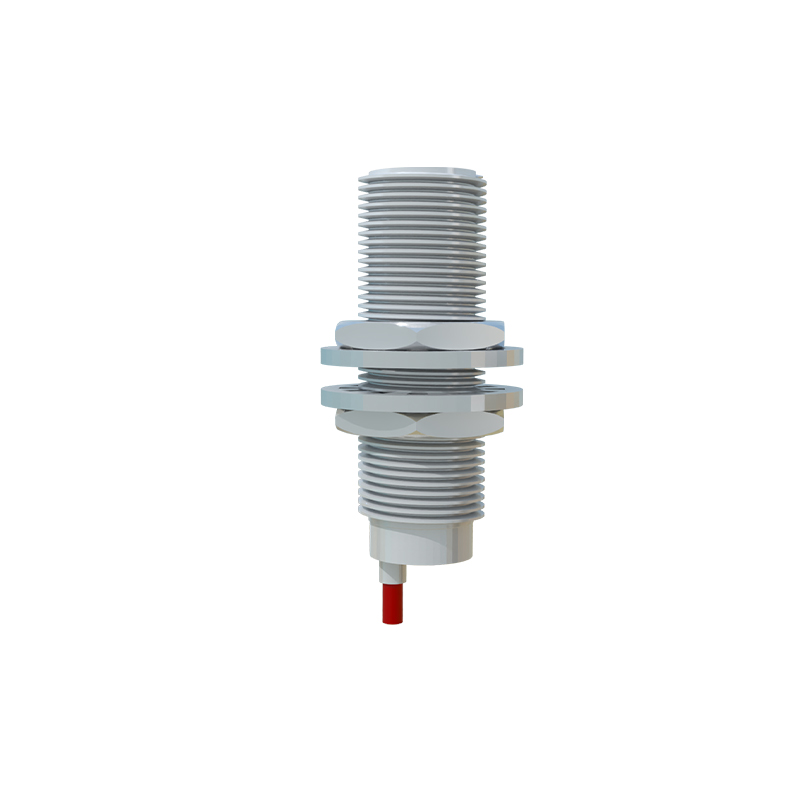
Applications for these sensors are extensive and critical. In packaging machinery, they reliably detect the presence of plastic or glass bottles, cardboard boxes, or foil wrappers on conveyor lines. In the food and beverage industry, they monitor levels of viscous liquids, grains, or powders without direct contact, maintaining hygiene standards. Woodworking and semiconductor manufacturing rely on them for precise positioning of non-metallic materials. Furthermore, their ability to function as liquid level controls, interface detectors (distinguishing between two different liquids), and part presence verifiers underscores their unparalleled versatility.
When selecting an original capacitive proximity sensor, several key specifications demand attention. The nominal sensing range (Sn), typically from a few millimeters to 25mm for standard models, must be chosen based on the application. The operating voltage range (commonly 10-30V DC or 20-250V AC), output type (PNP/NPN, NO/NC), and switching frequency are crucial for system integration. Perhaps most importantly, the dielectric constant of the target material significantly influences the effective sensing distance; materials with a higher constant (like water) are detected more easily than those with a lower one (like certain plastics). Therefore, consulting technical datasheets and, if possible, conducting real-world tests with the actual target material is highly recommended.
Installation and maintenance, while straightforward, require consideration. Sensors should be mounted securely, ensuring the active sensing face is unobstructed and free from buildup of the target material, which can cause drift or permanent activation. A minimum clearance from surrounding metal (as specified by the manufacturer) must be maintained to prevent shielding effects. Regular checks for housing integrity and cleanliness of the sensing face will guarantee long-term, drift-free operation. Modern sensors also feature diagnostic LEDs that indicate power status and output switching, aiding in quick troubleshooting.
In conclusion, the original capacitive proximity sensor is a masterpiece of electro-mechanical design, offering a unique and critical sensing capability that bridges gaps where other technologies fall short. Its principle of operation, based on capacitive coupling, grants it a universal detection ability. For engineers and system integrators, investing in genuine, high-quality sensors from reputable manufacturers is not merely a procurement decision but a strategic one—ensuring system reliability, reducing downtime, and safeguarding complex automated processes. As industries evolve towards smarter, more flexible manufacturing, the role of these robust and intelligent sensors will only become more central, solidifying their status as a cornerstone of modern industrial sensing.