In the rapidly evolving landscape of construction and manufacturing, precision is paramount. Laser leveling sensors have emerged as critical tools, enabling unprecedented accuracy in surface preparation, alignment, and grading tasks. These sophisticated devices project a stable, rotating laser beam to create a precise reference plane across a work area. Unlike traditional spirit levels or manual string lines, laser sensors provide a continuous, highly visible datum that can be detected by a compatible receiver mounted on construction machinery or handheld rods.
The core technology typically involves a diode that emits a concentrated beam of light, which is then fanned into a 360-degree plane using a rotating head or a prism. This plane serves as an absolute reference for height. The sensor component, often a receiver, detects this laser plane and provides real-time feedback. In automated systems, such as those integrated into concrete screed machines or earthmoving graders, this feedback is processed by a control unit to automatically adjust hydraulic pistons or blades, maintaining the tool at the exact pre-set grade. This闭环 control loop eliminates human error and dramatically increases the speed and consistency of leveling operations.
Applications are vast and transformative. In concrete floor construction, ride-on laser screeds use these sensors to strike off and consolidate concrete to a perfectly flat and level surface, known as a "superflat" floor, essential for warehouses and high-tech manufacturing facilities. In site preparation, graders equipped with laser control systems can achieve precise slopes and elevations for foundations, roads, and drainage. The technology is also indispensable in interior finishing for installing ceilings, partitions, and cabinetry with perfect alignment.
Key advantages driving adoption include a significant reduction in labor costs and material waste. Projects are completed faster with fewer callbacks for corrective work. The data output from some advanced systems can also be integrated into Building Information Modeling (BIM) workflows, creating a digital record of as-built conditions. When selecting a laser leveling system, professionals must consider factors like working range, which can extend beyond 300 meters in diameter for high-end models, accuracy (often within ±1.5 mm over 30 meters), durability against dust and water (IP ratings), and battery life. Compatibility with existing machinery and the type of laser (visible red, high-visibility green, or invisible infrared for specialized detectors) are also crucial decision points.
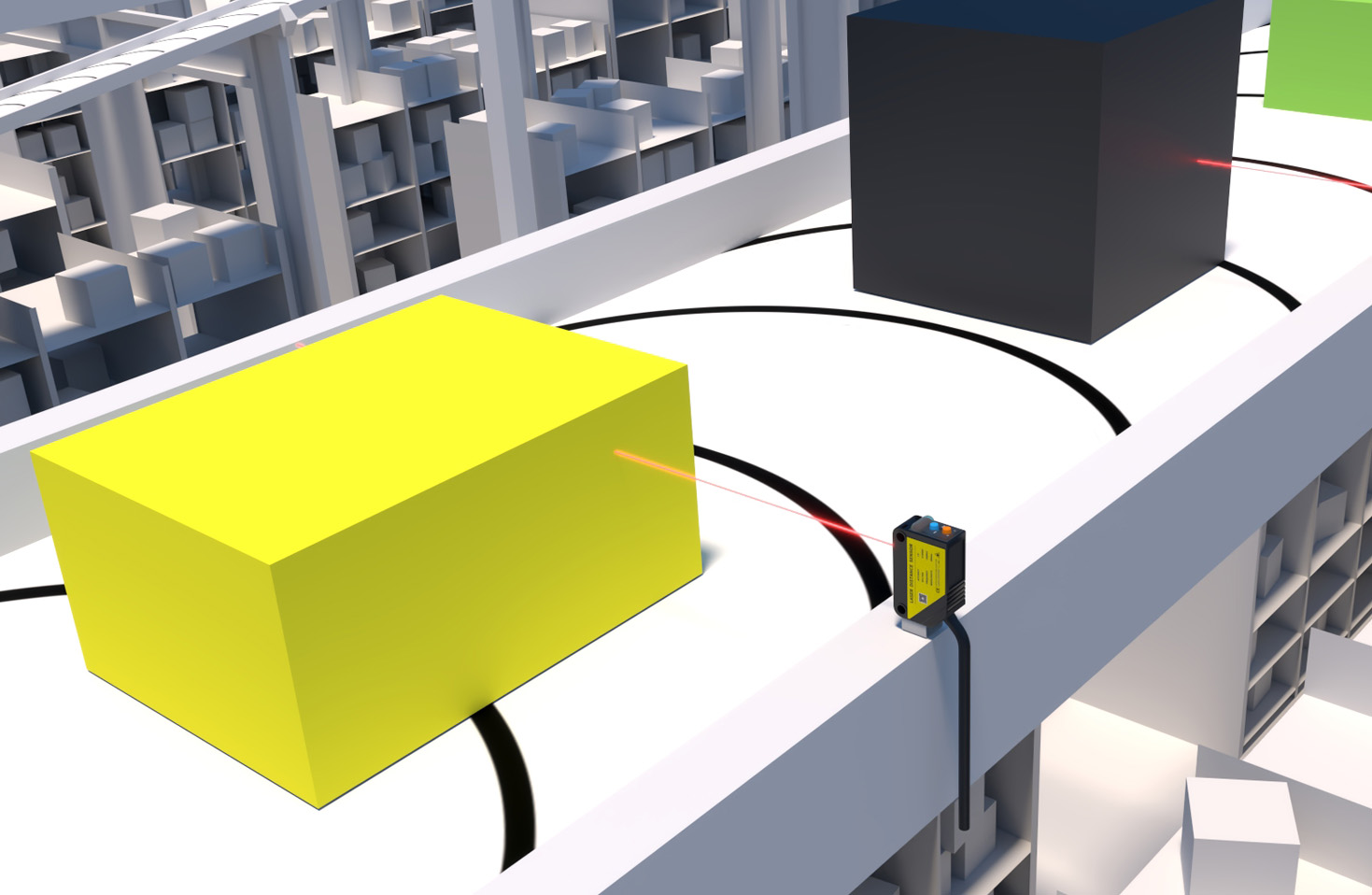
Looking ahead, the integration of laser leveling sensors with GPS/GNSS technology and drone-based scanning is creating next-generation machine control systems. These hybrid systems offer even greater flexibility, especially on large, open sites without a clear line of sight. Furthermore, the advent of the Internet of Things (IoT) promises smarter sensors that can communicate performance data for predictive maintenance and fleet management. As automation and the demand for precision continue to grow across industries, the laser leveling sensor stands as a foundational technology, quietly ensuring that the structures and products of our world are built on a perfectly level starting point.