In the realm of industrial automation, the reliability and precision of sensing technology are paramount. The PH2602 proximity switch sensor stands as a robust and widely adopted solution for non-contact object detection in demanding environments. This article provides a comprehensive technical overview of the PH2602, exploring its operating principles, key specifications, and typical industrial applications.
The PH2602 is an inductive proximity sensor. Its fundamental operating principle is based on electromagnetic induction. The sensor generates a high-frequency oscillating electromagnetic field from its active face. When a metallic target enters this detection field, eddy currents are induced on the target's surface. This causes a change in the oscillation amplitude within the sensor's internal LC tank circuit. The sensor's embedded circuitry detects this change and triggers a solid-state switching output, typically in the form of a PNP (sourcing) or NPN (sinking) transistor. This entire process occurs without any physical contact, making the PH2602 ideal for applications requiring high durability and minimal maintenance.
Key technical specifications define the PH2602's performance envelope. It typically features a standard sensing range, often up to 2mm for mild steel targets, though this can vary slightly based on the target material's properties (a factor known as the reduction factor). The sensor is designed to operate on a standard DC supply voltage, commonly in the 10-30V DC range, ensuring compatibility with most industrial control systems. Its output is a discrete DC signal, suitable for direct interfacing with programmable logic controllers (PLCs), counters, or relay modules. A critical specification is its switching frequency, which determines how rapidly it can detect objects passing by; the PH2602 offers a high response speed suitable for fast-paced production lines. Furthermore, it boasts a high degree of ingress protection, such as IP67, making it resistant to dust and temporary immersion in water, a necessity in harsh factory settings.
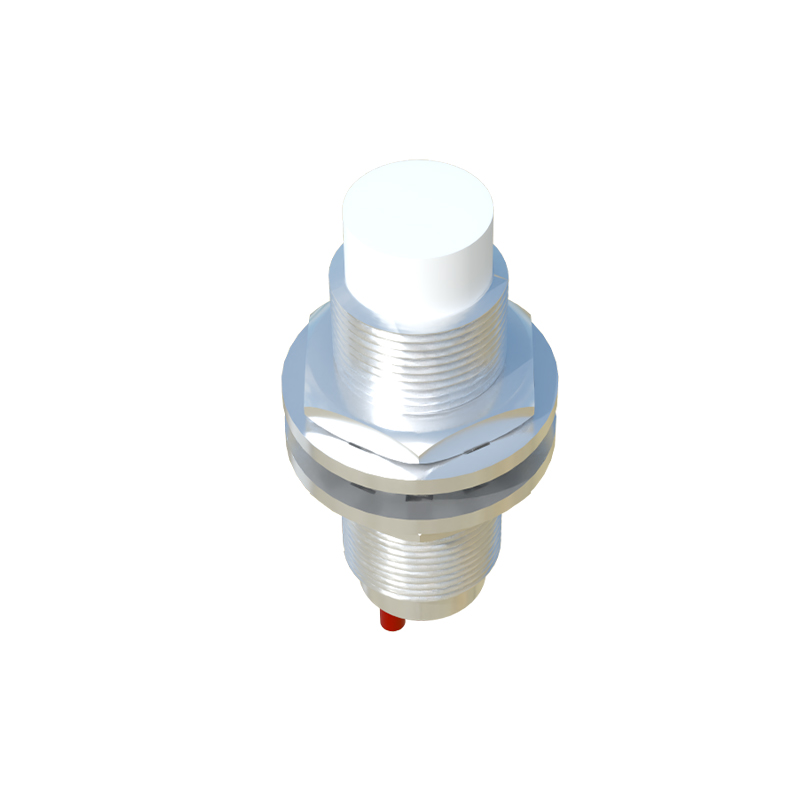
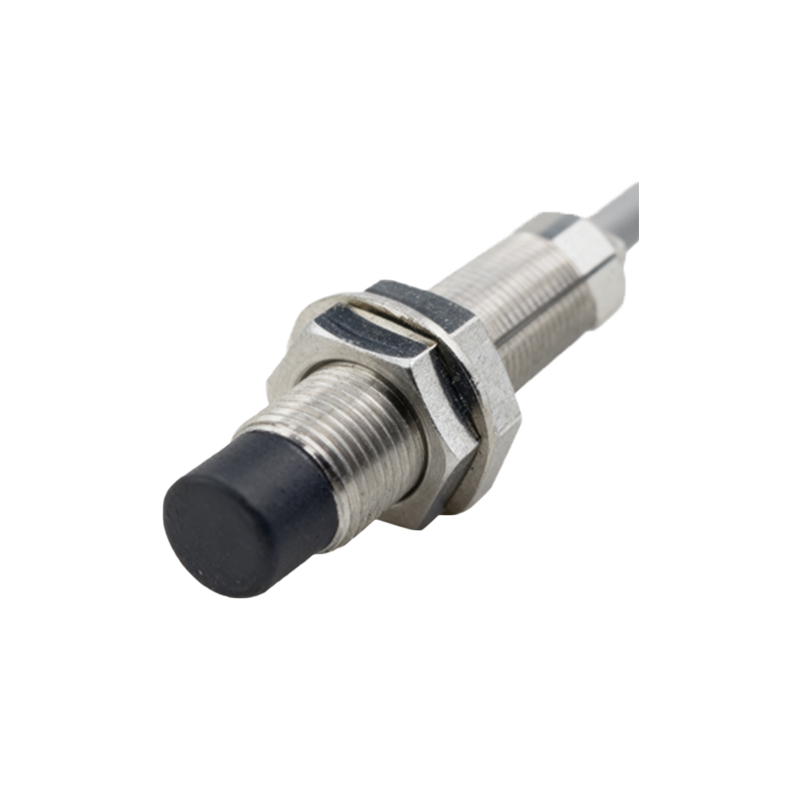
The construction of the PH2602 is engineered for industrial rigor. It commonly features a cylindrical stainless-steel or nickel-plated brass housing, providing excellent mechanical strength and corrosion resistance. The sensing face is often made of a specialized plastic (like PBT or PPS) that allows the electromagnetic field to pass through while protecting the internal coil. Many models incorporate an LED status indicator, offering immediate visual confirmation of power and output state, which is invaluable for troubleshooting.
The applications for the PH2602 proximity sensor are vast across manufacturing and process industries. A primary use is in position sensing and end-of-travel detection on automated machinery. For instance, it can verify if a robotic arm has reached its home position or if a pneumatic cylinder is fully extended or retracted. On conveyor systems, PH2602 sensors are deployed for part presence detection, object counting, and sorting operations. They ensure a component is in the correct place before a machining operation begins or trigger a diverter gate when an item passes. In metalworking, these sensors are integral to CNC machines for tool positioning and pallet changeover verification. Their non-contact nature eliminates wear and tear associated with mechanical limit switches, leading to significantly higher reliability and reduced downtime.
Installation and wiring are straightforward. The PH2602 is typically mounted using locknuts on its threaded barrel. Care must be taken to ensure proper clearance around the sensor to avoid interference from surrounding metal (the so-called flush-mountable or non-flush-mountable design consideration). Wiring usually involves three cores: brown for positive supply voltage (+V), blue for common negative (0V), and black for the switched output signal. It is crucial to consult the specific datasheet for the model variant, as wiring can differ between PNP and NPN output types. For optimal performance, users should also consider the target material, size, and approach direction, as these factors influence the effective sensing distance.
In summary, the PH2602 inductive proximity switch sensor is a fundamental component in modern industrial control systems. Its contactless operation, robust construction, and reliable performance under tough conditions make it a preferred choice for engineers designing automated equipment. By understanding its technical parameters and correct application practices, maintenance personnel and system integrators can ensure maximum operational efficiency and longevity in their automation projects.