Proximity sensors are integral components in modern smartphones, enabling key functionalities such as screen blanking during calls, gesture recognition, and power conservation. As an electrical engineer specializing in sensor technology, I will delve into the common models, operational principles, and selection criteria for these sensors in the mobile industry.
Proximity sensors in smartphones typically operate using infrared (IR) or capacitive sensing technologies. IR-based sensors, such as the Vishay VCNL4040 and Sharp GP2Y0A21YK0F, emit infrared light and measure the reflection to detect nearby objects. These models are favored for their accuracy and reliability in varying lighting conditions. For instance, the VCNL4040 integrates a proximity sensor, ambient light sensor, and infrared emitter in a compact package, making it suitable for space-constrained smartphone designs. It offers a detection range of up to 200 mm and features I2C interface compatibility, allowing seamless integration with microcontrollers.
Capacitive proximity sensors, like the Texas Instruments FDC1004, detect changes in capacitance caused by the presence of objects. While less common in smartphones due to higher power consumption, they are used in specialized applications where non-metallic object detection is required. Most smartphones, however, rely on IR sensors for their low power draw and fast response times.
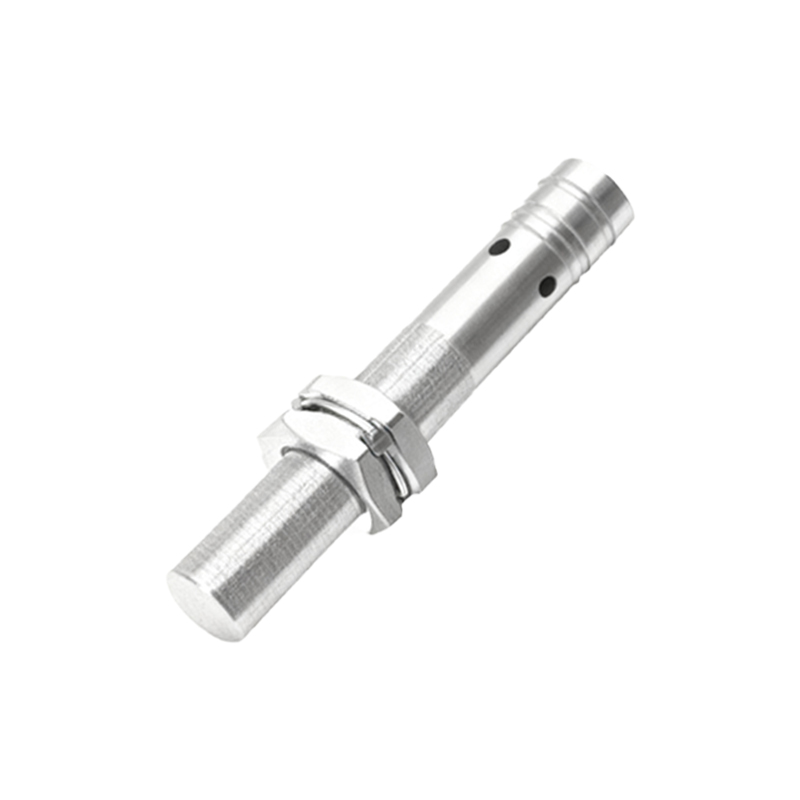
Key parameters when selecting a proximity sensor model include detection range, response time, power consumption, and package size. For example, the AMS TMD2725 is a popular choice in mid-range smartphones, offering a 100 mm detection range with a response time of less than 10 ms. Its low power operation (typically under 0.8 mA) helps extend battery life, a critical factor in mobile device design. High-end models, such as the STMicroelectronics VL53L1X, utilize time-of-flight (ToF) technology for precise distance measurement up to 400 mm, enabling advanced features like auto-focus assistance and gesture control.
In practice, smartphone manufacturers often customize sensor models to fit specific design requirements. The integration process involves calibrating the sensor to avoid false triggers from ambient light or device components. Engineers must consider factors like sensor placement—typically near the earpiece—to ensure accurate detection during phone calls. Additionally, firmware algorithms play a crucial role in filtering noise and enhancing sensor performance.
The evolution of proximity sensors has led to multi-functional modules that combine proximity, ambient light, and gesture sensing. Models like the ROHM RPR-0521RS integrate these features, reducing component count and simplifying PCB layout. As smartphones trend toward bezel-less designs, sensors are becoming smaller and more efficient, with newer models like the Silicon Labs Si1153 offering ultra-low power consumption (as low as 0.5 µA in sleep mode) and digital output for easy microcontroller interfacing.
Looking ahead, advancements in sensor fusion—combining data from proximity sensors with accelerometers and cameras—will enable more intuitive user interactions. However, challenges remain, such as minimizing interference from screen coatings and improving detection in diverse environmental conditions. Engineers must stay updated with industry standards, such as those from the Infrared Data Association (IrDA), to ensure compatibility and performance.
In summary, selecting the right proximity sensor model involves balancing technical specifications with cost and design constraints. By understanding the nuances of popular models like the VCNL4040, TMD2725, and VL53L1X, engineers can optimize smartphone functionality and user experience. As technology progresses, we can expect even more integrated and efficient sensor solutions to emerge in the mobile market.