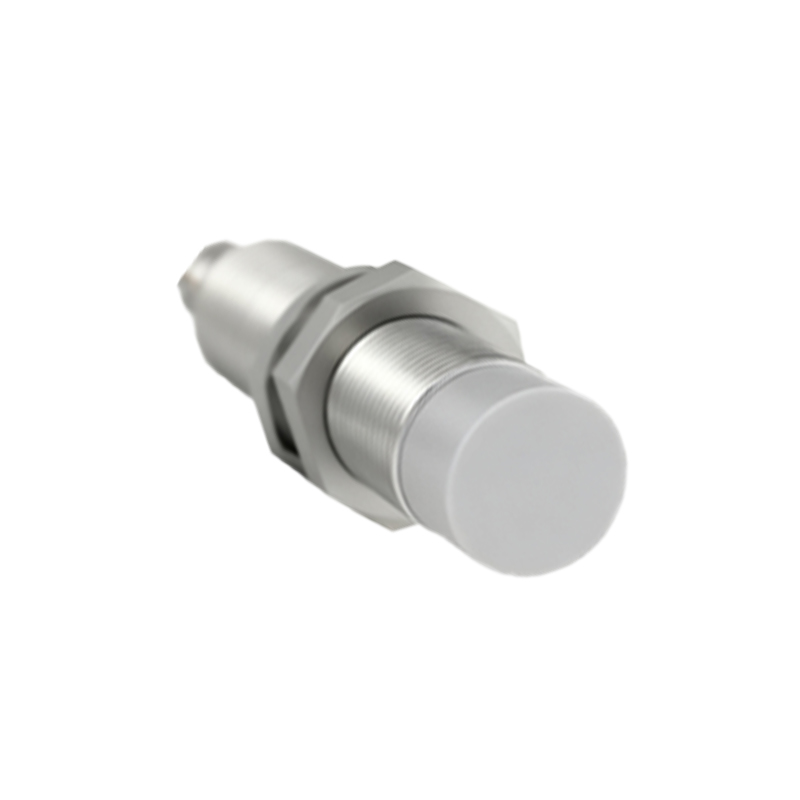
The market for high precision proximity sensors has experienced significant evolution in recent years, driven by advancements in industrial automation, robotics, and smart manufacturing. These sensors, known for their non-contact detection capabilities, are essential in applications requiring accuracy, reliability, and durability. As demand grows across sectors like automotive, aerospace, electronics, and logistics, understanding price trends becomes crucial for procurement and integration strategies.
Currently, the pricing of high precision proximity sensors varies widely based on technology, performance specifications, and brand. Inductive sensors, commonly used for metal detection, typically range from $50 to $200 per unit, depending on sensing range and output type. Capacitive sensors, suitable for non-metallic materials, may cost between $70 and $250, with higher prices for enhanced sensitivity and environmental resistance. Photoelectric sensors, offering long-range detection, often fall in the $100 to $300 bracket, influenced by factors like light source type and housing material.
Several key factors impact sensor prices. Technological innovations, such as integrated IoT connectivity or self-diagnostic features, can increase costs by 20-30%. Brand reputation also plays a role; established manufacturers like Omron, Schneider Electric, and Siemens command premium prices due to proven reliability and support, while emerging brands may offer competitive rates to gain market share. Additionally, customization for specific industrial environments—such as high-temperature or corrosive settings—can raise prices by 15-25%.
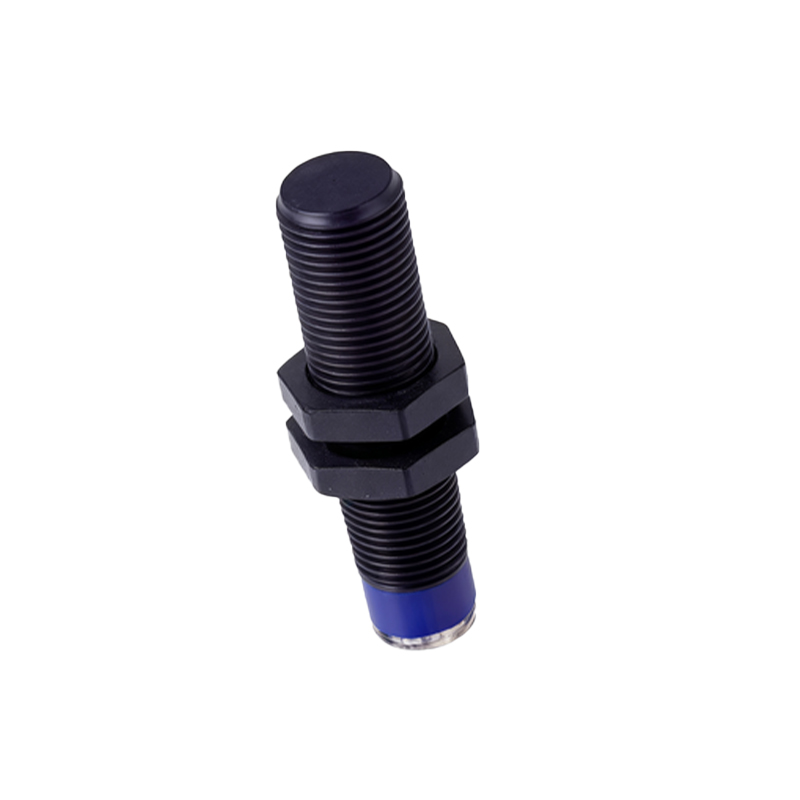
Market dynamics further influence pricing. The global supply chain, affected by raw material availability and geopolitical factors, has led to fluctuations in component costs. For instance, semiconductor shortages have increased prices for sensor electronics by approximately 10-15% over the past two years. Conversely, economies of scale in mass production, especially in regions like Asia-Pacific, have helped stabilize or reduce costs for standard models. Industry reports indicate an average annual price decrease of 3-5% for basic sensor types due to manufacturing efficiencies, while high-end models with advanced features see steady or rising prices.
Looking ahead, price trends are expected to reflect ongoing technological integration. Sensors with AI-driven predictive maintenance or energy-efficient designs may see higher initial costs but offer long-term savings. As competition intensifies, buyers can anticipate more value-added features at stable price points, particularly in markets emphasizing Industry 4.0 adoption. Procurement strategies should balance cost considerations with factors like lifecycle durability, compliance with industry standards, and after-sales service to optimize investment in high precision proximity sensors.