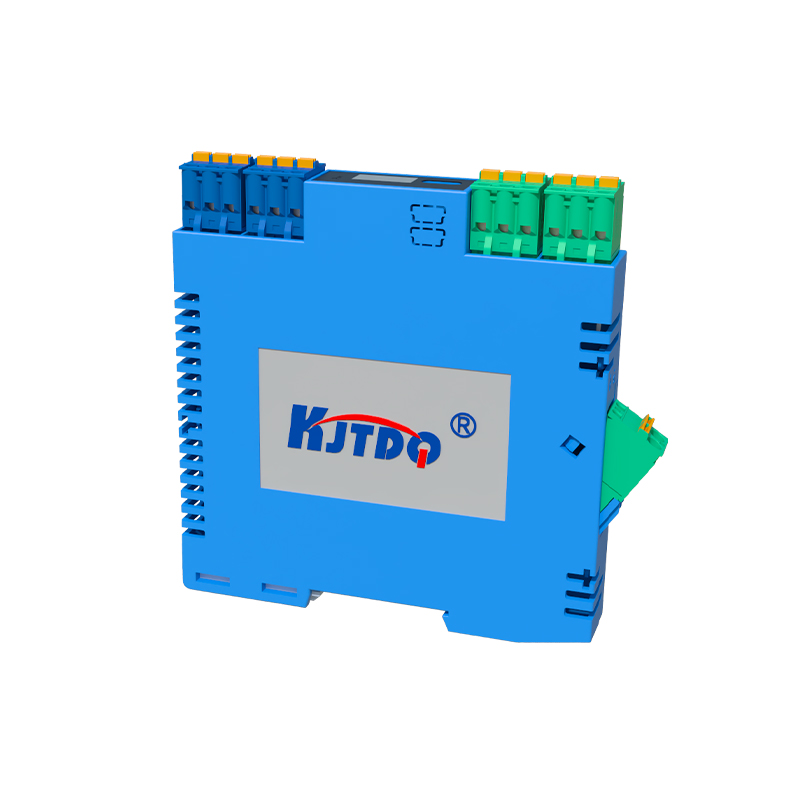
In the demanding and hazardous environments of underground coal mining, operational safety is not merely a regulatory requirement—it is an absolute imperative. Among the myriad of technologies safeguarding personnel and infrastructure, proximity sensors designed for explosive atmospheres stand as silent, yet vigilant, sentinels. These specialized devices, certified under rigorous standards like ATEX, IECEx, and specifically the Mining Safety (MSHA) or similar coal mine safety protocols (often termed "coal mine permissible" or "flameproof" certifications), are engineered to detect the presence or absence of objects without physical contact, all while preventing the ignition of flammable gases and dust.
The core challenge in coal mines is the persistent presence of methane (CH4) and coal dust, which form highly explosive mixtures. Any electrical equipment, including a standard inductive or capacitive proximity sensor, can generate sparks or sufficient surface temperatures to act as an ignition source. This is where the principles of explosion protection come into play. Sensors deployed in these zones are housed within robust, flameproof enclosures designed to withstand an internal explosion without allowing flames or hot gases to escape and ignite the surrounding atmosphere. Alternatively, they may employ intrinsic safety (IS) barriers, which limit the electrical energy (both voltage and current) in the sensor circuit to levels below what is required to ignite a specific hazardous mixture. For proximity sensors, this often involves sophisticated design to ensure that the sensing field itself and any associated switching outputs are energy-limited.
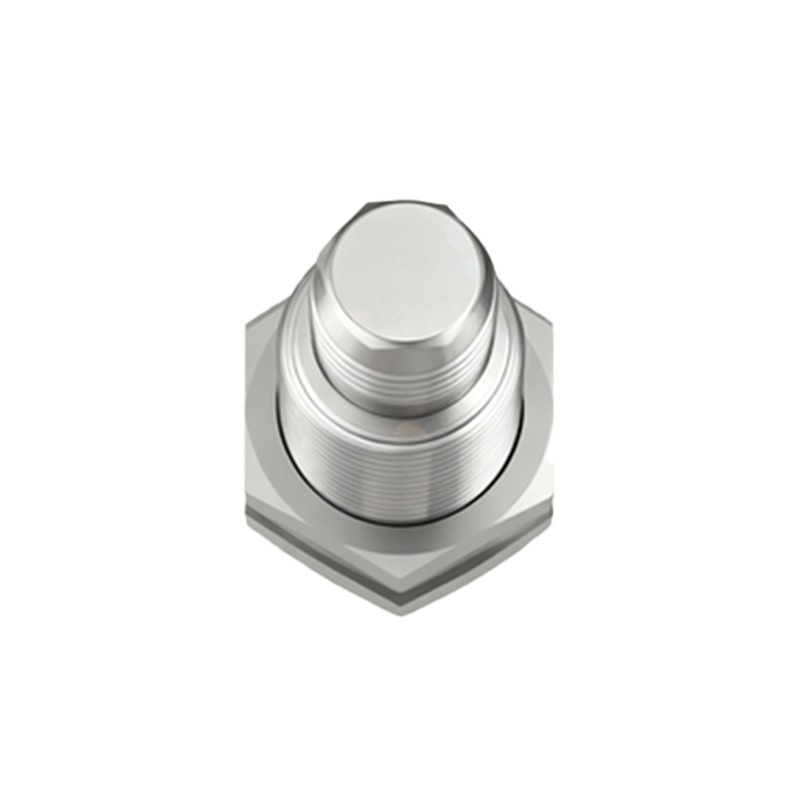
The operational benefits of these certified proximity sensors are substantial. They are pivotal in monitoring the position of critical machinery such as continuous miners, conveyor belts, and roof supports. For instance, a pair of intrinsically safe inductive sensors can be used to confirm the open or closed status of a explosion-proof door or a ventilation flap. Capacitive sensors, carefully calibrated, can monitor levels of non-metallic materials in bins, alerting systems to prevent overflows that could create dust clouds. Their non-contact nature ensures minimal wear and tear, leading to higher reliability and reduced maintenance interventions in areas where access is difficult and downtime is costly.
Selecting the appropriate sensor requires careful analysis. Engineers must first define the Hazardous Area Zone (e.g., Zone 0, 1, or 2 for gas; Zone 20, 21, or 22 for dust, as per IEC/ATEX classifications, with direct equivalents in mining codes). The sensor's certification must match or exceed this zone classification. Key technical parameters include sensing distance, which may be derated for safety factors; the housing material's resistance to corrosion from mine water; operational temperature range; and output type (e.g., PNP/NPN, NAMUR, or relay outputs via an IS barrier). The mechanical robustness, typically meeting IP67 or IP68 ratings, is crucial to withstand vibration, shock, and high-pressure washdowns.
Installation and lifecycle management are equally critical. Wiring must adhere strictly to the certification guidelines, using approved cables and conduits. Regular inspections are mandated to check for physical damage, integrity of seals, and corrosion. Calibration checks, though less frequent for simple proximity switches, are part of a comprehensive preventative maintenance schedule. Documentation, including the EU Declaration of Conformity for ATEX or the Certificate of Compliance for MSHA, must be meticulously maintained for audit and safety review purposes.
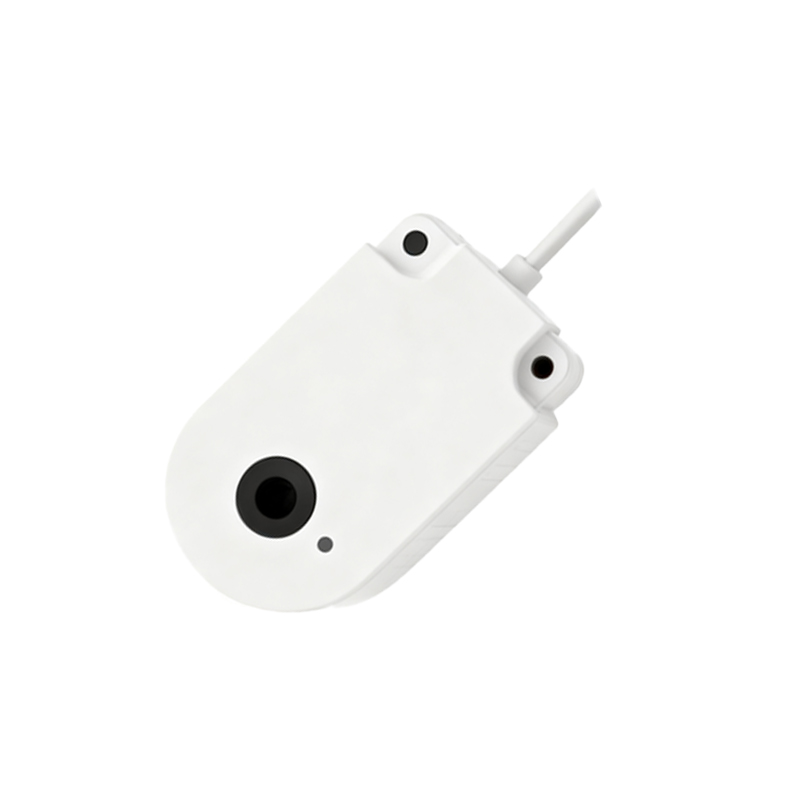
Looking forward, the integration of Industrial Internet of Things (IIoT) capabilities into explosion-protected sensors is an emerging trend. Wireless, intrinsically safe proximity sensors that can transmit data on machine health or operational status to a central monitoring station are under development, promising enhanced predictive maintenance and real-time safety analytics. However, the certification process for such advanced devices remains stringent, ensuring that innovation never compromises the fundamental safety mandate.
In conclusion, coal mine permissible proximity sensors are far more than simple switches. They are a sophisticated fusion of precision sensing and explosive atmosphere engineering. Their correct selection, installation, and maintenance form a critical link in the chain of safety protocols that protect human lives and valuable assets in one of the world's most challenging industrial environments. Specifying anything less than a fully certified, application-matched sensor is a risk that the industry simply cannot afford to take.