In today's automated and interconnected industrial landscape, proximity sensors have become indispensable components. These non-contact devices detect the presence or absence of objects within a defined range, triggering critical actions in machinery and systems. The supply chain for proximity sensors is a complex ecosystem, influenced by technological advancements, material availability, and global market dynamics. Understanding this supply landscape is crucial for engineers, procurement specialists, and business leaders aiming to ensure operational continuity and competitive advantage.
The core technology behind proximity sensors—whether inductive, capacitive, ultrasonic, or photoelectric—relies on specialized semiconductors, rare-earth elements for magnets, and precision-engineered housings. Recent global events have highlighted vulnerabilities in the sourcing of these raw materials. Disruptions in the supply of semiconductors, for instance, have created significant lead time extensions for sensor manufacturers. Consequently, a robust supply strategy must account for geopolitical factors and diversify sourcing channels to mitigate single-point failures.
Market trends are reshaping the proximity sensor supply arena. The rise of Industry 4.0 and the Industrial Internet of Things (IIoT) is driving demand for smarter, networked sensors with integrated diagnostics and communication protocols like IO-Link. Suppliers are increasingly expected to provide not just components, but holistic solutions that include connectivity modules and data analytics compatibility. This shift pushes traditional manufacturers to innovate rapidly and collaborate with software providers, altering the traditional supplier-customer relationship.
From a procurement perspective, several key factors determine a reliable supply. Technical specifications such as sensing range, output type (PNP/NPN), and environmental ratings (IP67, IP69K) must be precisely matched to application needs. However, beyond the datasheet, evaluating a supplier’s manufacturing consistency, quality control certifications (like ISO 9001), and logistical capabilities is equally vital. Established global brands often offer extensive distribution networks and technical support, while niche or regional suppliers might provide cost advantages or customization flexibility. The choice often hinges on the criticality of the application and total cost of ownership.
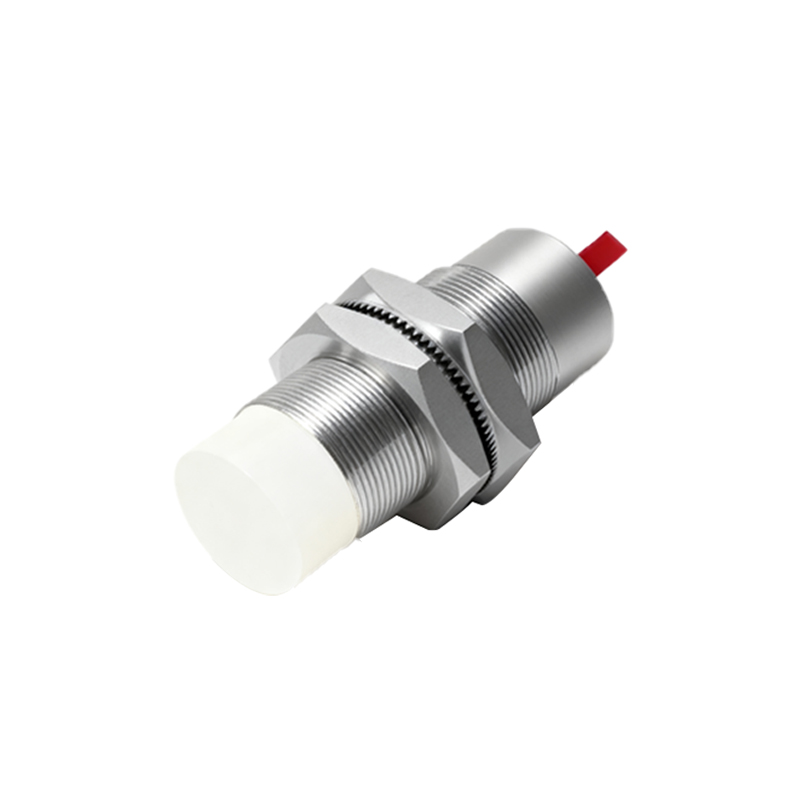
Lead times and inventory management present ongoing challenges. Standard inductive sensors might be readily available, but specialized variants for extreme temperatures or corrosive environments can have lead times exceeding 20 weeks. Proactive strategies include maintaining strategic safety stock for critical models, engaging in vendor-managed inventory (VMI) programs, and utilizing distributor partnerships that offer consolidated access to multiple brands. Forecasting demand in collaboration with suppliers can also lead to more predictable scheduling and priority allocation during shortages.
The future of proximity sensor supply is leaning towards greater integration and sustainability. Suppliers are developing sensors with reduced material footprints and energy consumption without compromising performance. Furthermore, the consolidation of sensor functions—combining proximity sensing with temperature or vibration monitoring—into single devices is becoming more common, which simplifies sourcing but demands higher technical competency from suppliers. As automation expands into new sectors like electric vehicle manufacturing and renewable energy, supply chains must adapt to support these high-growth industries.
Ultimately, securing a stable supply of proximity sensors is a strategic endeavor. It requires a balance between technical requirements, cost considerations, and supply chain resilience. By fostering strong partnerships with knowledgeable suppliers, staying informed about market and material trends, and implementing agile inventory practices, organizations can navigate the complexities of the global sensor market and ensure their systems continue to operate with precision and reliability.