In the seamless interaction between humans and machines, a silent yet crucial technology operates behind the scenes: the proximity sensor. This unassuming component, often no larger than a grain of rice, has become a fundamental building block in countless electronic devices, enabling intuitive and efficient user experiences. Its core function is deceptively simple: to detect the presence or absence of an object within a specified range without any physical contact. The implications of this simple action, however, are vast and transformative.
The principle behind proximity sensing is based on the emission of a field or beam of electromagnetic radiation, often infrared light, and the analysis of the return signal. When an object enters this field, it causes a detectable change—a reflection, an interruption, or a shift in capacitance. This change is then converted by the sensor's circuitry into an electrical signal that triggers a predefined action. This non-contact nature is its greatest strength, leading to enhanced durability, reliability, and the ability to detect objects in challenging environments.
Several primary technologies dominate the proximity sensor landscape, each with its own advantages. Infrared (IR) sensors are among the most common, using an IR LED to emit light and a photodiode to detect its reflection. They are cost-effective and widely used in smartphones for screen blanking during calls. Inductive sensors generate an electromagnetic field to detect metallic objects, making them indispensable in industrial automation for position sensing and machine safety. Capacitive sensors detect changes in capacitance caused by conductive or non-conductive materials, including the human body, enabling touchless faucets and touch-sensitive buttons. Ultrasonic sensors use sound waves to measure distance and are excellent for harsh environments where dust or moisture is present.
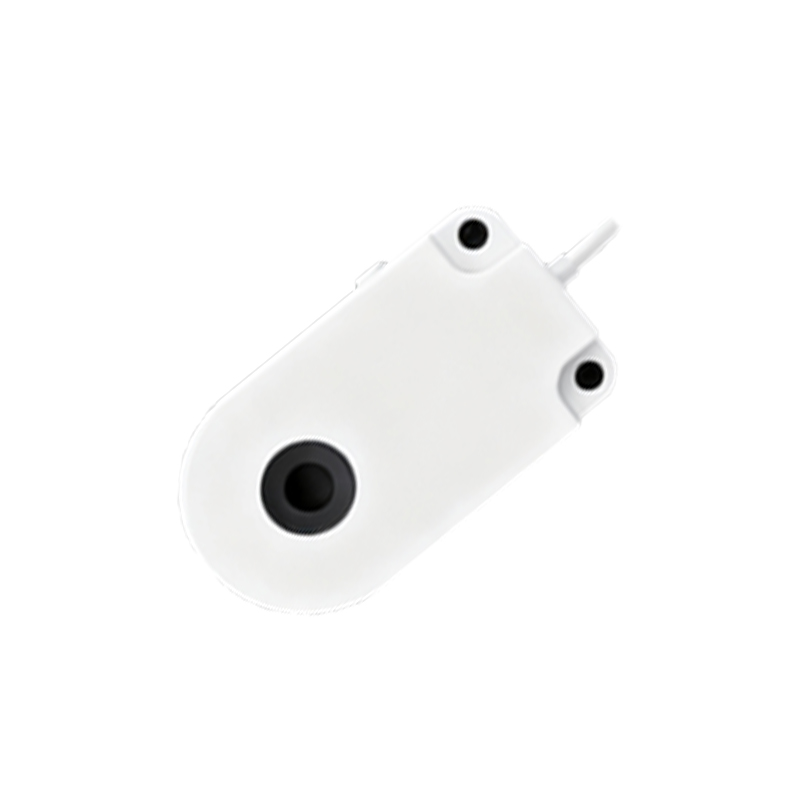
The applications of proximity sensors are ubiquitous. In the consumer electronics sector, they are the reason a smartphone screen turns off when held to the ear, conserving battery life. They enable automatic brightness adjustment on laptops and tablets. In modern automobiles, they form the backbone of parking assistance systems, blind-spot monitoring, and gesture-controlled infotainment systems. The automotive industry relies heavily on them for safety and convenience.
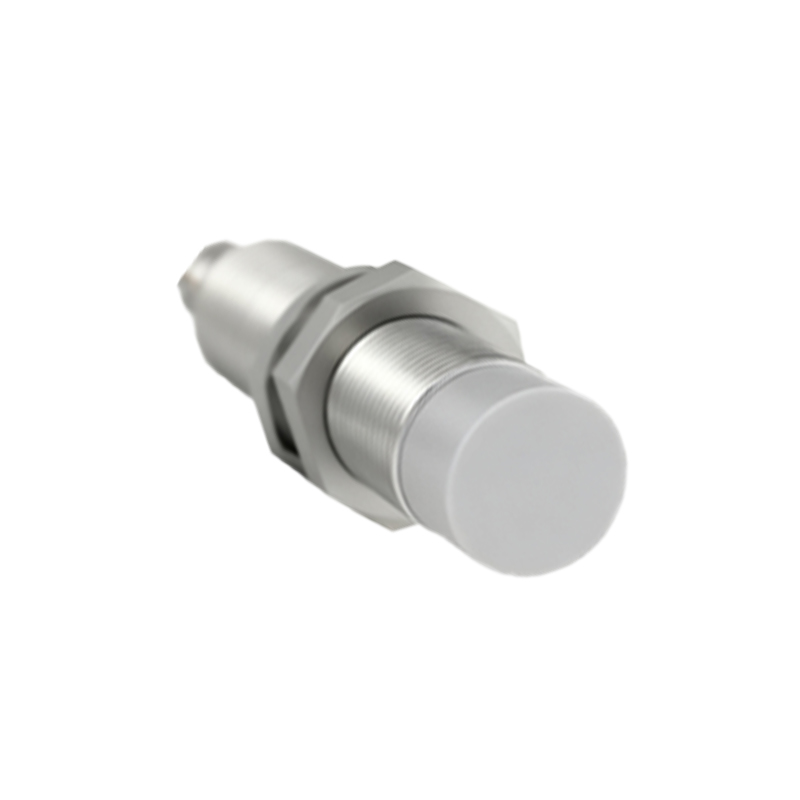
Beyond personal devices, proximity sensors are workhorses in industrial and manufacturing settings. They ensure precise positioning on assembly lines, count objects on conveyor belts, and provide critical safety interlocks on machinery to prevent operator injury. In the realm of home automation, they trigger lights, fans, and doors, contributing to energy efficiency and hands-free convenience. Even in healthcare, they are used in equipment for touchless operation, promoting hygiene.
When selecting a proximity sensor for a specific application, engineers must consider several key parameters. Sensing range defines the maximum distance at which an object can be reliably detected. Repeatability refers to the sensor's consistency in detecting an object at the same point. Response time is critical in high-speed applications. Environmental factors such as temperature, humidity, and the presence of contaminants like oil or dust can significantly impact sensor performance and material choice. Furthermore, the object's material, color, and surface texture can affect the sensing capability, particularly for optical-based sensors.
The future of proximity sensing is geared towards greater integration, intelligence, and miniaturization. Sensors are becoming more sophisticated, capable of not just detecting presence but also discerning shape, motion patterns, and even vital signs through advanced signal processing and machine learning algorithms. The integration of multiple sensing modalities—combining proximity, ambient light, and gesture recognition—into single, compact modules is a growing trend. This fusion enables more contextual and predictive device behavior. Furthermore, the development of low-power, always-on sensors is crucial for the next generation of wearable devices and the Internet of Things (IoT), where devices must sense their environment continuously while operating on tiny batteries for extended periods.
From the smartphone in your pocket to the automated factory floor, proximity sensors act as the digital sense of touch for machines. They bridge the physical and digital worlds, allowing devices to perceive and react to their surroundings. As technology continues to evolve towards more natural and intuitive interfaces, the role of these invisible enablers will only become more profound, making our interactions with technology smoother, safer, and more efficient.