In the realm of industrial automation, proximity sensors play a pivotal role in detecting the presence or absence of objects without physical contact. These sensors, including inductive, capacitive, and magnetic types, are integral to machinery safety, positioning, and quality control. To guarantee their reliability and accuracy, specialized proximity sensor testing equipment is essential. This article delves into the key aspects of such testing devices, their functionalities, and best practices for implementation.
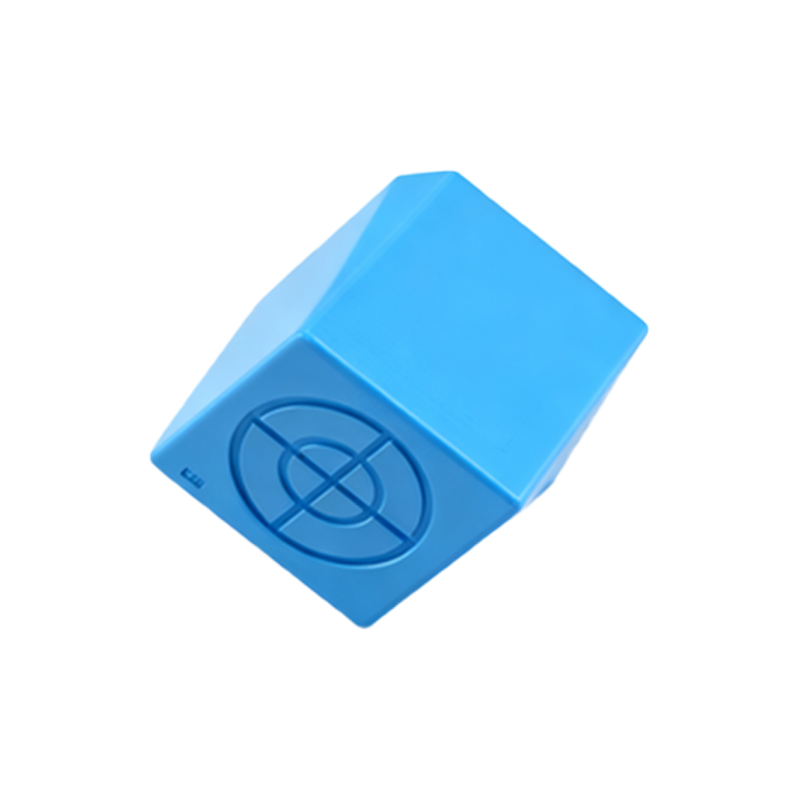
Proximity sensor testers are designed to simulate real-world operating conditions, evaluating parameters like sensing distance, response time, hysteresis, and temperature stability. A standard testing setup typically comprises a signal generator, oscilloscope, calibrated target simulator, and environmental chamber. The signal generator produces waveforms that mimic target movements, while the oscilloscope captures the sensor's output response. Calibrated targets, made of materials such as steel, aluminum, or plastic, are used to verify detection ranges based on sensor type. For instance, inductive sensors require ferrous metal targets, whereas capacitive sensors can detect non-metallic objects. Environmental chambers test performance under varying temperatures, humidity, and vibration, ensuring sensors meet industry standards like IEC 60947-5-2.
Advanced testing equipment incorporates automated systems with software interfaces for data logging and analysis. These systems can perform repetitive tests with high precision, reducing human error and increasing throughput. Features often include programmable test sequences, real-time monitoring, and report generation. For example, a tester might cycle a sensor through thousands of actuations to assess durability, or measure switch-point consistency to within micrometers. Such rigor is critical in applications like automotive assembly lines, where sensor failure could lead to costly downtime or safety hazards.
When selecting testing equipment, engineers should consider factors like compatibility with sensor specifications, scalability, and compliance with regulatory requirements. It's advisable to choose devices that offer modular designs, allowing upgrades as technology evolves. Regular calibration of test equipment is also paramount to maintain accuracy, using traceable standards from organizations like NIST or ISO. Additionally, integrating testing into the production phase—rather than post-manufacture—can identify defects early, saving time and resources.
In practice, a comprehensive testing protocol involves multiple stages. First, functional tests check basic operation, such as output signal switching. Next, parametric tests measure specific characteristics, like the nominal sensing distance under controlled conditions. Finally, stress tests evaluate longevity and resilience to harsh environments. Documentation of results is crucial for quality assurance and certification processes.
The evolution of Industry 4.0 has further driven innovation in proximity sensor testing. Smart testers now connect to IoT networks, enabling remote diagnostics and predictive maintenance. They can analyze trends over time, alerting technicians to potential issues before they escalate. This proactive approach enhances overall system efficiency and reduces lifecycle costs.
In summary, proximity sensor testing equipment is a cornerstone of reliable industrial automation. By employing robust testing methodologies, engineers can ensure sensors perform optimally, minimizing risks and maximizing productivity. As technology advances, investing in state-of-the-art testers will remain vital for staying competitive in a dynamic market.