Proximity sensors are indispensable components in modern industrial automation, offering non-contact detection of metallic objects. Among these, the GX-F8A model stands out for its reliability and precision. This article delves into the working principle, technical specifications, and typical applications of the GX-F8A proximity sensor, providing a comprehensive guide for engineers and technicians in the electrical and automation fields.
The GX-F8A is an inductive proximity sensor, primarily designed to detect ferrous metals such as iron and steel. Its operation is based on the principle of electromagnetic induction. The sensor contains an oscillator circuit that generates a high-frequency electromagnetic field at its sensing face. When a metallic object enters this field, eddy currents are induced on the surface of the object. These eddy currents draw energy from the oscillator, resulting in a reduction of oscillation amplitude. The sensor's detection circuit monitors this change and triggers a switching action—typically opening or closing an output circuit—when the amplitude drop exceeds a predefined threshold. This entire process occurs without any physical contact, ensuring minimal wear and long operational life.
Key technical features of the GX-F8A include a sensing distance of up to 8 mm, though this can vary slightly depending on the target material's size, shape, and composition. It operates on a standard DC voltage range, commonly 10-30 VDC, with low current consumption. The output is usually in the form of a solid-state switch (PNP or NPN configuration), providing a clean and fast signal suitable for programmable logic controllers (PLCs) and other control systems. The sensor housing is typically constructed from nickel-plated brass or stainless steel, offering robust resistance to industrial environments, including exposure to oils, coolants, and minor mechanical impacts. Additionally, many models feature built-in protection against short-circuit, reverse polarity, and overload, enhancing system safety.
In practical applications, the GX-F8A is widely used for position detection, object counting, and end-of-travel limit sensing in machinery. For instance, on conveyor lines, it can detect the presence of metal parts to control sorting gates or initiate robotic pick-and-place operations. In automated assembly stations, it verifies the correct placement of components. Its fast response time and high switching frequency make it ideal for high-speed production environments. When installing the sensor, it is crucial to consider environmental factors. Nearby metallic structures or other sensors can cause interference, so maintaining adequate clearance is necessary. The sensor should also be shielded from strong electromagnetic fields generated by motors or welding equipment to prevent false triggering.
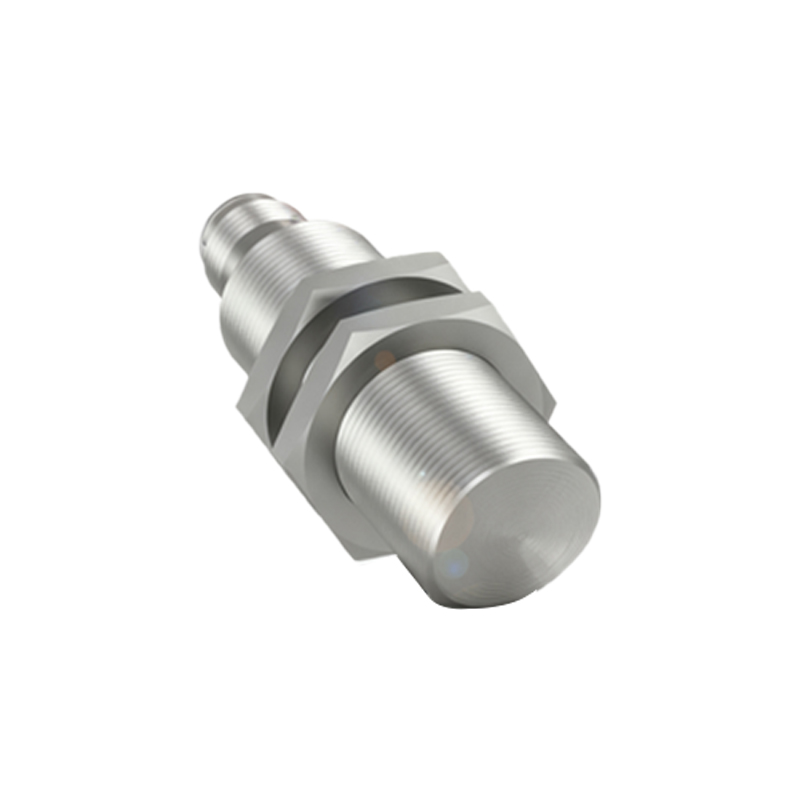
Maintenance of the GX-F8A is generally minimal due to its non-contact nature. However, regular checks are recommended to ensure the sensing face remains clean from debris, metal chips, or buildup that could attenuate the electromagnetic field and reduce effective sensing range. Periodic verification of the output signal with a multimeter or oscilloscope can confirm proper operation. Troubleshooting common issues often involves checking power supply connections, verifying the target is within the specified sensing range, and ensuring the output load is within the sensor's rated capacity.
Advancements in proximity sensor technology continue to evolve, with trends toward miniaturization, increased sensing distances, and enhanced intelligence, such as IO-Link communication for diagnostics and parameter setting. The GX-F8A represents a mature and proven solution within this landscape, balancing performance, durability, and cost-effectiveness. For engineers selecting sensors, understanding its principle and specifications ensures optimal integration into control systems, contributing to efficient and reliable automation processes.
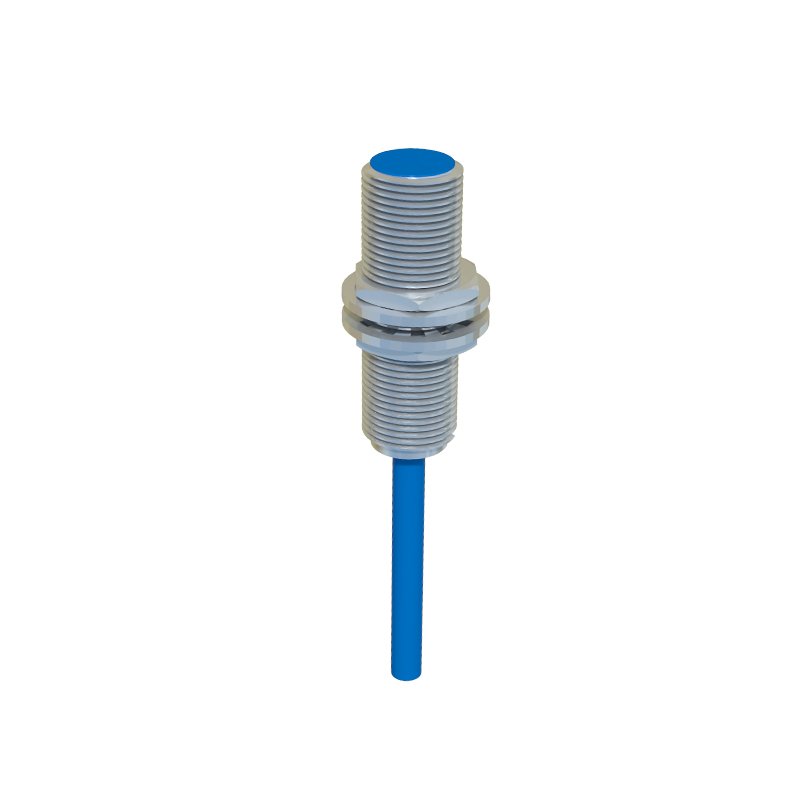
In summary, the GX-F8A inductive proximity sensor operates on a well-established electromagnetic principle to provide accurate, non-contact detection of metal objects. Its robust design and consistent performance make it a staple in industrial automation, from manufacturing and packaging to material handling. By adhering to installation guidelines and performing routine maintenance, users can maximize the sensor's lifespan and reliability, supporting continuous and productive operations.