In the realm of industrial automation, speed sensors and proximity switches are fundamental components that ensure precise control, safety, and efficiency in machinery operations. These devices, though distinct in function, often work in tandem to monitor motion and detect presence without physical contact, making them indispensable in modern manufacturing, automotive, and robotics applications.
Speed sensors, primarily used to measure rotational or linear velocity, come in various types such as inductive, Hall effect, and optical sensors. Inductive speed sensors generate a voltage signal proportional to the speed of a rotating gear or wheel by detecting changes in magnetic fields. They are robust, resistant to harsh environments like dust and moisture, and commonly employed in automotive systems for wheel speed detection in anti-lock braking systems (ABS). Hall effect sensors, utilizing semiconductor technology, offer high accuracy and are ideal for applications requiring precise speed measurement, such as in electric motors or conveyor belts. Optical speed sensors, based on light interruption or reflection, provide non-contact measurement with fast response times, suitable for high-speed machinery in packaging or printing industries. The selection of a speed sensor depends on factors like required accuracy, environmental conditions, and cost considerations.
Proximity switches, on the other hand, detect the presence or absence of an object within a specified range without any physical contact. They are categorized into inductive, capacitive, and magnetic types. Inductive proximity switches detect metallic objects by generating an electromagnetic field, making them perfect for metal detection in assembly lines or machine tools. Capacitive proximity switches can sense both metallic and non-metallic materials, such as plastics or liquids, by measuring changes in capacitance, and are often used in level detection or material handling. Magnetic proximity switches, activated by magnetic fields, are reliable for position sensing in hydraulic cylinders or safety door monitoring. These switches are valued for their durability, long service life, and ability to operate in extreme temperatures or dirty conditions, reducing maintenance needs and downtime.
The integration of speed sensors and proximity switches enhances system performance. For instance, in a conveyor system, proximity switches can detect product presence to trigger speed sensors for monitoring throughput, enabling real-time adjustments to optimize production flow. In automotive manufacturing, speed sensors monitor engine RPM while proximity switches ensure proper positioning of components during assembly, improving quality control. Advanced systems combine these devices with programmable logic controllers (PLCs) or IoT platforms for data analytics, predictive maintenance, and automation upgrades.
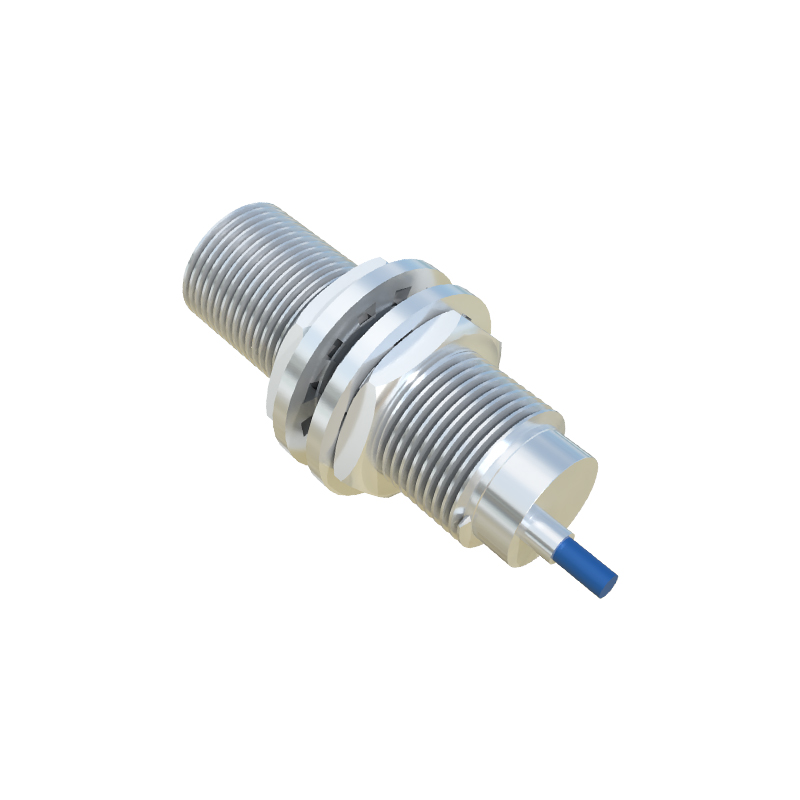
When selecting these components, engineers must consider key parameters. For speed sensors, factors include measurement range, output signal type (analog or digital), and environmental resistance. Proximity switches require attention to sensing distance, material compatibility, and electrical specifications like voltage and current ratings. Proper installation and calibration are crucial to avoid interference or false readings, with regular maintenance ensuring longevity.
Emerging trends, such as miniaturization and smart sensor technology, are driving innovation. Wireless speed sensors and IoT-enabled proximity switches allow for remote monitoring and integration with Industry 4.0 systems, boosting efficiency and reducing costs. As industries evolve toward greater automation, the demand for reliable, high-performance speed sensors and proximity switches will continue to grow, underscoring their critical role in operational excellence.
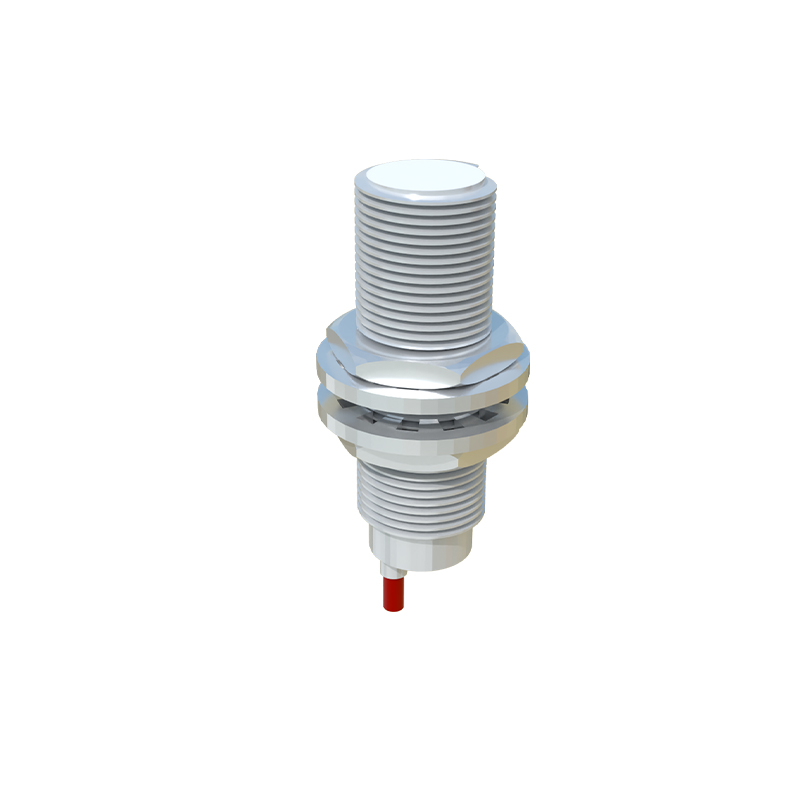
In summary, speed sensors and proximity switches are vital tools in industrial settings, offering non-contact measurement and detection capabilities that enhance precision, safety, and productivity. By understanding their principles and applications, engineers can leverage these devices to build robust, automated systems that meet the demands of modern technology.