In the rapidly evolving landscape of electric mobility, the charging interface represents a critical point of interaction between the vehicle and the charging infrastructure. Beyond the primary components like connectors and power electronics, a sophisticated yet often overlooked element plays a pivotal role in ensuring safety, convenience, and operational integrity: the proximity sensor integrated within the charging port. This article delves into the function, types, and significance of these sensors from an engineering perspective.
Fundamentally, a proximity sensor in an EV charging port is a device that detects the presence or absence of the charging coupler (the plug) without physical contact. Its primary function is to inform the vehicle's Battery Management System (BMS) and the charging station's control unit about the connection status. This detection triggers a sequence of critical safety protocols. Before any high-voltage power is engaged, the system must confirm a secure mechanical and electrical connection. The proximity sensor provides the initial "handshake" signal, enabling the subsequent communication and power transfer phases. Without this confirmation, the charging process is inhibited, preventing potential arcing, electrical faults, or energizing a loose connector—hazards that could lead to equipment damage or safety risks.
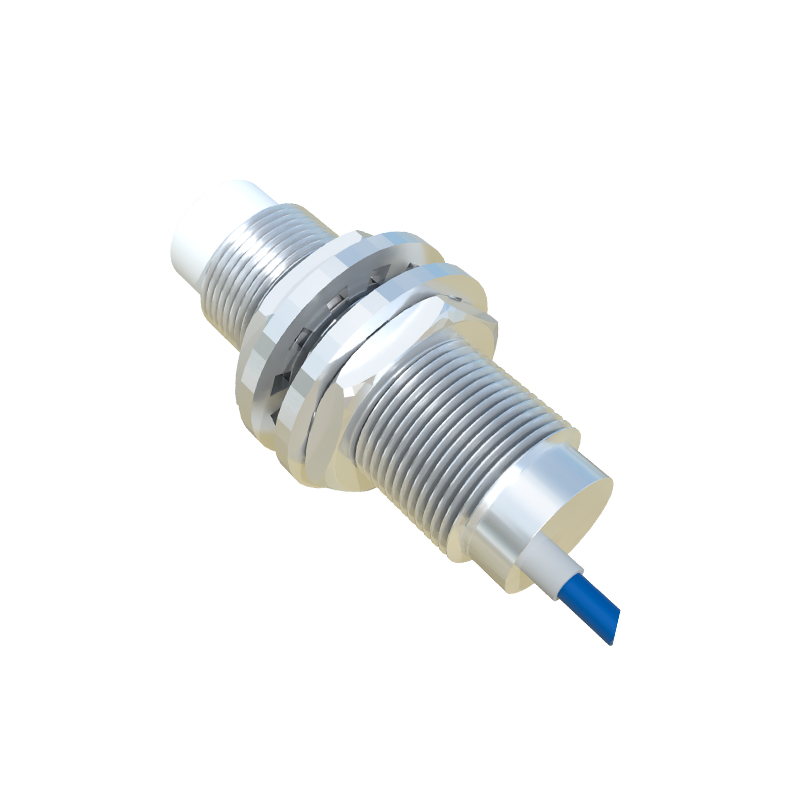
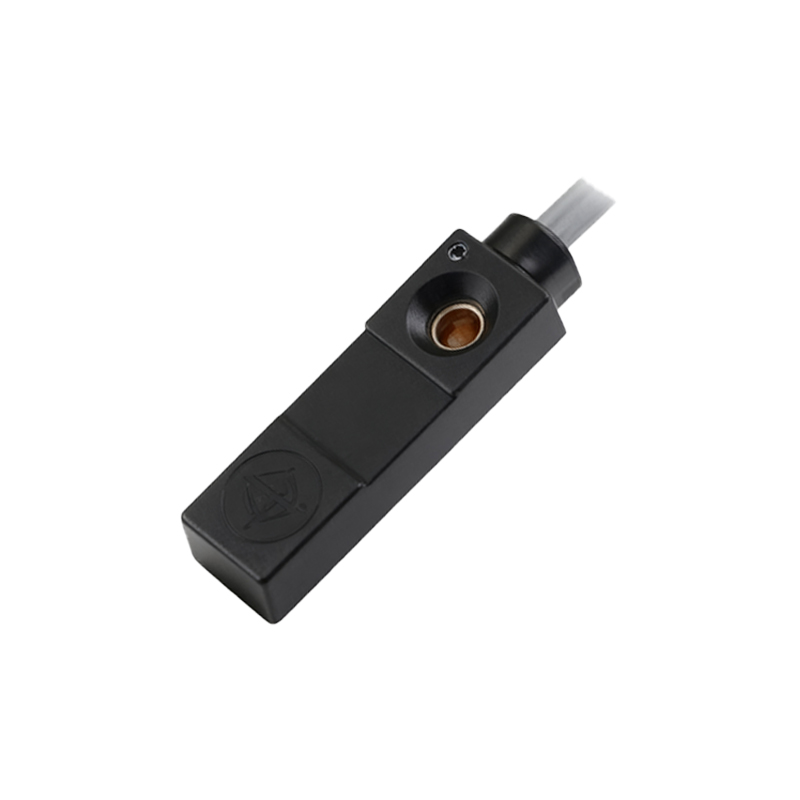
Several sensor technologies are employed for this purpose, each with distinct advantages. Inductive proximity sensors are common, detecting the metallic components of the charging coupler. When the plug approaches, it alters the sensor's electromagnetic field, generating a detection signal. This type is robust, resistant to environmental contaminants like dust or moisture, and offers long operational life. Alternatively, some systems utilize mechanical micro-switches or Hall-effect sensors that detect a magnet embedded in the coupler. The choice depends on design constraints, cost, required precision, and environmental sealing needs (often rated at IP67 or higher for outdoor resilience).
The role extends beyond basic detection. In Combined Charging System (CCS) standards, for instance, the proximity pilot (PP) circuit is integral. The sensor here, often through a specific resistance value, communicates the current-carrying capacity of the cable assembly to the vehicle. This informs the BMS of the maximum allowable charging current, preventing cable overload. It's a brilliant example of a simple sensing function enabling complex, adaptive power management. Furthermore, the sensor aids in user experience. A detected insertion can trigger port illumination or a confirmation sound, while detection of removal during an active session can initiate a safe shutdown sequence, ensuring the connector is not removed under load.
From a systems engineering viewpoint, the proximity sensor is a linchpin for functional safety, often designed to fail-safe. Its reliability is paramount, as a single point of failure could disable charging or, worse, bypass a safety interlock. Redundancy or continuous self-monitoring circuits are sometimes implemented. Environmental durability is another key design challenge. The sensor must operate flawlessly across extreme temperatures, endure vibration, and resist corrosion from road salts or humidity, all while maintaining precise detection thresholds.
Looking forward, as wireless charging and automated conductive charging (for robotaxis or fleets) develop, the role of proximity sensing will evolve. Precise alignment detection and more nuanced communication between vehicle and infrastructure will be required, potentially leveraging advanced sensing fusion. However, the core principle remains: ensuring a safe, reliable, and intelligent initiation of energy transfer.
In conclusion, the humble proximity sensor within an EV charging port is far more than a simple switch. It is a foundational safety gatekeeper, a communication enabler, and a critical component for user-friendly operation. Its seamless, reliable function is essential for building trust in electric vehicle technology and ensuring the daily charging ritual is both safe and straightforward. For engineers, appreciating its role is key to designing robust and future-proof charging systems.