In the demanding world of industrial automation and machinery, proximity sensors serve as critical components for non-contact detection of objects. Their performance directly impacts system efficiency, safety, and uptime. Among the numerous environmental challenges these sensors face, exposure to oils—including lubricants, cutting fluids, hydraulic oils, and coolants—is particularly prevalent. Consequently, comprehensive oil resistance testing is not merely a quality check but a fundamental requirement for ensuring long-term reliability and functionality. This article delves into the methodologies, standards, and practical considerations for evaluating the oil resistance of proximity sensors.
Oils in industrial settings can vary significantly in chemical composition, viscosity, and additive packages. Common types include mineral oils, synthetic esters, polyalphaolefins (PAOs), and water-glycol mixtures. These fluids can degrade sensor materials through multiple mechanisms: swelling or cracking of polymer seals and housings, corrosion of metal parts, deterioration of cable jackets, and contamination of sensing faces. Therefore, a robust testing protocol must simulate real-world conditions to validate sensor integrity.
Key testing standards provide a framework for evaluation. International standards such as IEC 60529 (Ingress Protection ratings) and IEC 60068-2-78 (damp heat, steady state) offer baseline guidance for environmental sealing. However, for specific fluid resistance, many manufacturers and end-users refer to industry-specific norms like those from automotive (e.g., ISO 16750), or material standards such as UL 94 for flammability, which may include oil exposure criteria. A typical oil resistance test involves immersing the sensor, or its critical components, in specified oils at controlled temperatures for defined durations—often ranging from 24 hours to 1000 hours. Post-immersion, the sensor undergoes thorough inspection and functional testing.
The evaluation criteria are multifaceted. Visual inspection checks for physical changes: discoloration, swelling, cracking, or deformation of housing and seals. Dimensional measurements ensure no excessive swelling compromises installation fit. Electrical and functional testing is paramount; sensors must maintain their specified sensing distance, switching frequency, output signal integrity, and electrical insulation resistance. Leakage tests, often conducted under pressure or vacuum, verify that internal electronics remain protected from fluid ingress. For sensors with integrated cables, cable flexibility and jacket integrity are assessed to prevent brittleness or cracking.
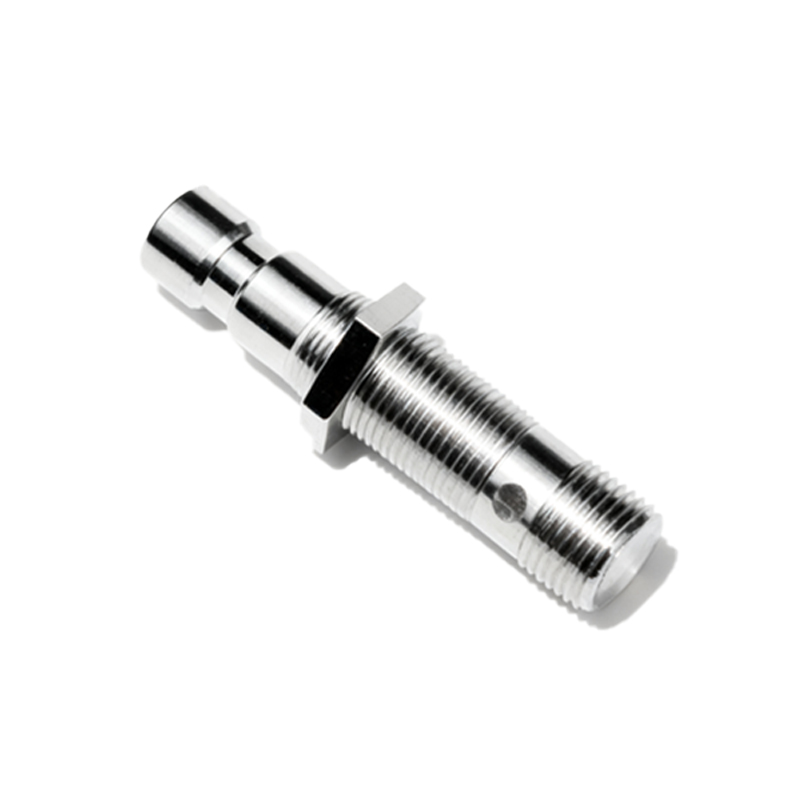
Material selection is the cornerstone of oil resistance. Sensor housings are commonly made from stainless steel (e.g., 303, 304, 316 grades) or nickel-plated brass for corrosion resistance. Sealing elements, such as O-rings and gaskets, require careful choice of elastomer. Nitrile rubber (NBR) offers good resistance to mineral oils and fuels, while Fluorocarbon (FKM/Viton) and Perfluoroelastomer (FFKM) provide superior resistance to a broader range of aggressive synthetic oils and high temperatures. Potting compounds used to encapsulate internal electronics must also be selected for compatibility with expected fluids.

Beyond standard immersion tests, application-specific testing is crucial. For instance, a sensor in a machining center may face intermittent splashes of emulsified coolant, while one in a hydraulic cylinder is constantly bathed in high-pressure hydraulic oil. Testing should replicate these conditions, including thermal cycling (exposure to oil followed by dry operation) and testing with oils contaminated with metal particles or other process debris.
Implementing a rigorous oil resistance testing regimen yields significant benefits. It reduces field failures, minimizes unplanned downtime, and lowers total cost of ownership. For sensor manufacturers, it builds market credibility and meets the stringent demands of sectors like automotive manufacturing, food and beverage (where lubricants may contact sensors), metalworking, and offshore industries. Engineers specifying sensors should diligently review manufacturer test data, looking for clear statements on tested oil types, concentrations, temperatures, and exposure times.
In conclusion, oil resistance testing for proximity sensors is a critical engineering discipline that bridges material science, mechanical design, and application knowledge. As industrial environments grow more complex, the ability of sensors to withstand prolonged oil exposure becomes a key differentiator for reliability. By adhering to systematic testing protocols and selecting appropriate materials, manufacturers can deliver products that endure the harshest conditions, ensuring continuous and precise operation in the heart of modern industry.