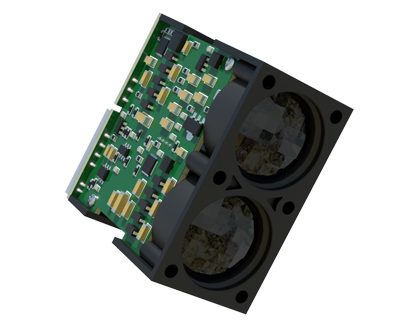
In the realm of industrial safety, particularly within sectors like oil and gas, mining, and chemical processing, the detection of combustible gases such as methane is paramount. Traditional catalytic bead and electrochemical sensors have long served as the frontline defense. However, the advent of laser-based methane detection technology represents a significant leap forward, offering unparalleled precision, reliability, and safety. This article delves into the operational principles, key advantages, and diverse applications of laser methane gas detection sensors, underscoring their growing indispensability in modern industrial environments.
At the core of a laser methane sensor lies the principle of Tunable Diode Laser Absorption Spectroscopy (TDLAS). This technology utilizes a semiconductor laser diode that emits a beam of light at a specific wavelength corresponding to the absorption line of the methane molecule (CH₄). As this laser beam passes through the target atmosphere, methane molecules absorb a portion of the light energy. A photodetector on the opposite side measures the intensity of the transmitted light. By analyzing the degree of absorption—quantified through techniques like wavelength modulation spectroscopy—the sensor can calculate the exact concentration of methane present with exceptional accuracy. This method is highly selective, as it targets the unique spectroscopic fingerprint of methane, rendering it immune to interference from other gases commonly found in industrial settings.
The superiority of laser methane sensors over conventional technologies is multifaceted. Firstly, their non-contact measurement capability is a game-changer. The sensor can detect methane from a distance, sometimes up to several meters, without requiring physical interaction with the gas sample. This eliminates the risk of sensor poisoning or degradation from harsh environments containing siloxanes, sulfides, or lead compounds, which often plague catalytic bead sensors. Secondly, laser sensors boast an exceptionally fast response time, typically in the range of a few seconds. This rapid detection is critical for initiating emergency shutdown procedures and alerting personnel before a hazardous situation escalates.
Furthermore, these sensors require minimal maintenance. With no consumable parts or need for frequent calibration—often only an annual check is necessary—they significantly reduce operational downtime and lifecycle costs. Their long-term stability and lack of zero-point drift ensure consistent, reliable readings over extended periods. Safety is also enhanced as the laser operates at a low power level and the measurement is intrinsically safe, posing no ignition risk in potentially explosive atmospheres (ATEX/IECEx certified models are standard).

The applications for laser methane detection are vast and critical. In upstream oil and gas operations, they are deployed for continuous monitoring of wellheads, compressor stations, and along pipeline routes for fugitive emissions and leaks. In coal mines, they provide early warning of methane accumulation, a primary cause of catastrophic explosions. Wastewater treatment plants and biogas facilities utilize them to monitor digester gas composition and ensure process efficiency and safety. Additionally, they are increasingly used for vehicle-based mobile surveys, allowing for rapid, large-area screening of pipeline networks and landfill sites.
Modern laser methane detectors often integrate advanced features such as data logging, wireless connectivity for remote monitoring, and sophisticated software for trend analysis and reporting. This integration into broader Industrial Internet of Things (IIoT) and plant safety systems enables predictive maintenance and smarter safety management.
In conclusion, laser methane gas detection sensors embody a transformative technology in industrial gas monitoring. By leveraging the precision of TDLAS, they deliver fast, accurate, and maintenance-lean performance that traditional sensors cannot match. As industries worldwide intensify their focus on safety, environmental compliance, and operational efficiency, the adoption of laser-based detection is set to become the new standard, providing a robust and intelligent safeguard against methane-related hazards.