Ring inductive proximity sensors are specialized devices widely utilized in industrial automation for non-contact detection of metallic objects. These sensors operate on the principle of electromagnetic induction, where an oscillating circuit generates a high-frequency magnetic field. When a metallic target enters this field, eddy currents are induced, causing a change in the sensor's oscillation amplitude. This alteration is detected and converted into an output signal, typically a switching function, to indicate the presence or absence of the object.
One of the standout features of ring inductive proximity sensors is their through-hole design, which allows objects to pass directly through the center of the sensor. This configuration enables precise detection of small metallic components, such as screws, nuts, or wires, on high-speed production lines. The ring shape provides a consistent detection zone, ensuring reliable operation even with irregularly shaped targets. Industries like automotive manufacturing, packaging, and electronics assembly benefit from this capability, as it facilitates tasks like counting, sorting, and quality control without physical contact, reducing wear and tear.
Durability and robustness are key advantages of these sensors. Constructed from materials like stainless steel or rugged plastics, they withstand harsh industrial environments, including exposure to dust, moisture, and vibrations. Many models offer IP67 or higher ingress protection ratings, making them suitable for washdown areas or outdoor use. Additionally, ring inductive sensors are known for their high switching frequencies, often exceeding 1 kHz, which allows for rapid detection in fast-paced applications. This speed, combined with minimal maintenance requirements, enhances overall system efficiency and uptime.
Another significant feature is their immunity to environmental interference. Unlike optical sensors, ring inductive types are unaffected by ambient light, dirt, or color variations of targets. They focus solely on metallic properties, ensuring stable performance in challenging conditions. However, it's important to note that their detection range is limited compared to other sensor types, typically ranging from a few millimeters to several centimeters, depending on the sensor size and target material. Ferrous metals like iron and steel are detected at longer ranges than non-ferrous metals such as aluminum or copper, due to differences in magnetic permeability.
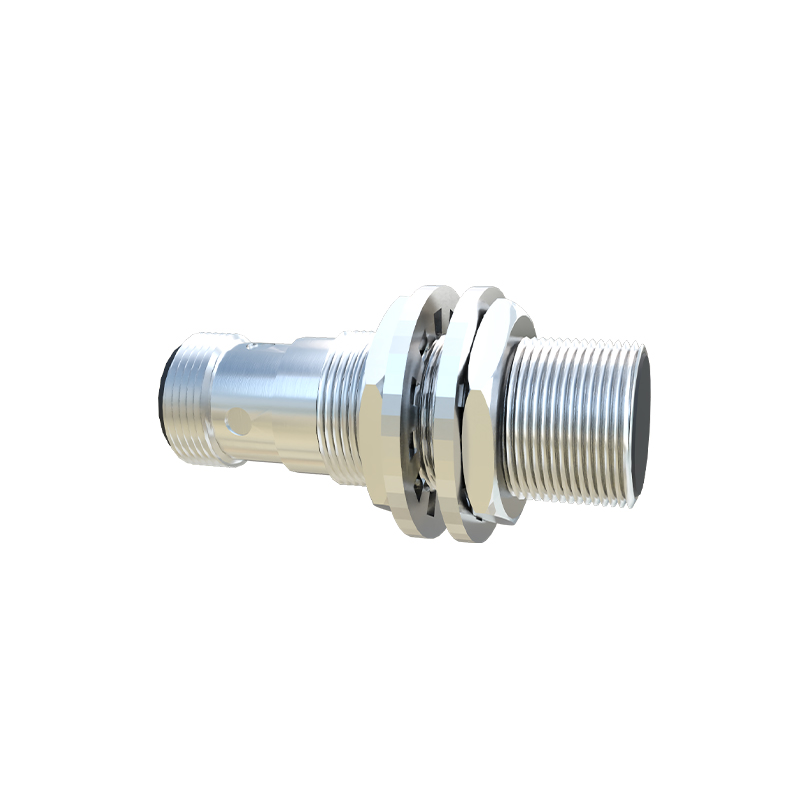
Installation and integration flexibility further contribute to their popularity. Ring inductive proximity sensors come in various sizes and mounting options, allowing customization for specific applications. They can be easily integrated into control systems via standard interfaces like PNP/NPN outputs or IO-Link for advanced diagnostics and parameterization. This adaptability supports Industry 4.0 initiatives, enabling real-time monitoring and predictive maintenance. Moreover, their energy-efficient design minimizes power consumption, aligning with sustainability goals in modern factories.
In summary, ring inductive proximity sensors offer a reliable solution for metallic object detection in industrial settings. Their through-hole design, durability, high speed, and environmental resistance make them indispensable tools for automation. By understanding these features, engineers can optimize their use in diverse applications, from conveyor systems to robotic arms, driving productivity and precision in manufacturing processes.