Proximity sensors are indispensable components in today's industrial landscape, offering non-contact detection capabilities that enhance efficiency, safety, and automation across various sectors. These devices detect the presence or absence of objects within a specified range without physical contact, utilizing technologies such as inductive, capacitive, ultrasonic, and photoelectric principles. Their versatility allows for diverse applications, making them critical in modern manufacturing and beyond.
In manufacturing and assembly lines, proximity sensors play a pivotal role in ensuring precision and reliability. Inductive sensors, for instance, are commonly used to detect metallic objects. They monitor the position of machine parts, such as in robotic arms or conveyor systems, enabling automated control and reducing downtime. For example, in automotive production, these sensors verify the placement of components like engine blocks or wheels, triggering subsequent actions in the assembly process. This not only speeds up production but also minimizes errors, leading to higher quality outputs.
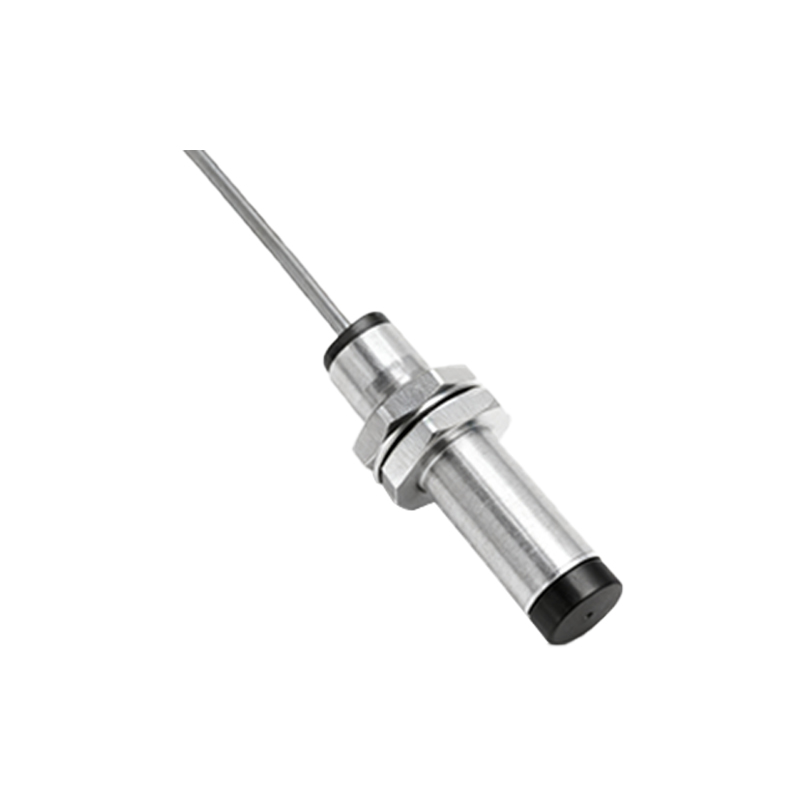
Beyond metal detection, capacitive sensors excel in handling non-metallic materials like plastics, liquids, or wood. In packaging industries, they detect fill levels in containers or the presence of items on production lines, ensuring consistent packaging and preventing spills. Similarly, in food and beverage processing, capacitive sensors monitor liquid levels in tanks or detect packaging materials, contributing to hygiene and efficiency by avoiding contamination risks associated with contact-based methods.
Ultrasonic proximity sensors utilize sound waves to measure distances and detect objects, making them ideal for challenging environments. In logistics and warehousing, they assist in inventory management by monitoring stock levels on shelves or guiding automated guided vehicles (AGVs) through warehouses. Their ability to operate in dusty or humid conditions, where optical sensors might fail, ensures reliable performance in sectors like mining or agriculture. For instance, in agricultural machinery, ultrasonic sensors help control seed dispensing or monitor grain levels in silos, optimizing resource use.
Photoelectric sensors, which use light beams for detection, are widely applied in safety and automation systems. In the electronics industry, they inspect circuit boards for component placement or detect minute parts during assembly. Moreover, in safety applications, such as on factory floors, they create light curtains that halt machinery when a worker enters a hazardous zone, preventing accidents and complying with occupational safety regulations. This non-intrusive approach enhances workplace safety without disrupting operations.
The energy sector also benefits from proximity sensors, particularly in monitoring and control systems. In wind turbines, sensors detect blade position or ice formation, enabling adjustments for optimal performance and maintenance alerts. In oil and gas pipelines, they monitor valve positions or detect leaks, ensuring operational integrity and environmental protection. By providing real-time data, these sensors support predictive maintenance, reducing costs and extending equipment lifespan.
In automotive and transportation, proximity sensors are integral to advanced driver-assistance systems (ADAS). They enable features like parking assistance, collision avoidance, and blind-spot detection by measuring distances to nearby objects. This technology not only improves vehicle safety but also paves the way for autonomous driving, where precise object detection is crucial. Additionally, in public transportation, sensors manage door operations or monitor passenger flow, enhancing efficiency and user experience.
The healthcare industry leverages proximity sensors for medical devices and sanitation. In hospital equipment, they ensure proper sterilization by detecting the presence of instruments in autoclaves or controlling fluid levels in infusion pumps. During the COVID-19 pandemic, touchless sensors gained prominence in automatic dispensers for sanitizers or temperature checks, reducing cross-contamination risks and promoting hygiene.
As Industry 4.0 evolves, proximity sensors are becoming smarter with IoT integration. They collect data for analytics, enabling predictive maintenance and real-time monitoring in smart factories. For example, in a connected manufacturing setup, sensors communicate with central systems to optimize production schedules based on machine status, boosting overall productivity. This connectivity also supports remote diagnostics, allowing engineers to troubleshoot issues without on-site visits.
In summary, proximity sensors find applications across manufacturing, logistics, energy, automotive, healthcare, and beyond. Their ability to operate without contact ensures durability and accuracy in diverse conditions, from clean rooms to harsh outdoor environments. As technology advances, these sensors will continue to drive innovation, supporting automation, safety, and sustainability in global industries. By understanding their capabilities, engineers and businesses can harness their potential to solve complex challenges and improve operational outcomes.