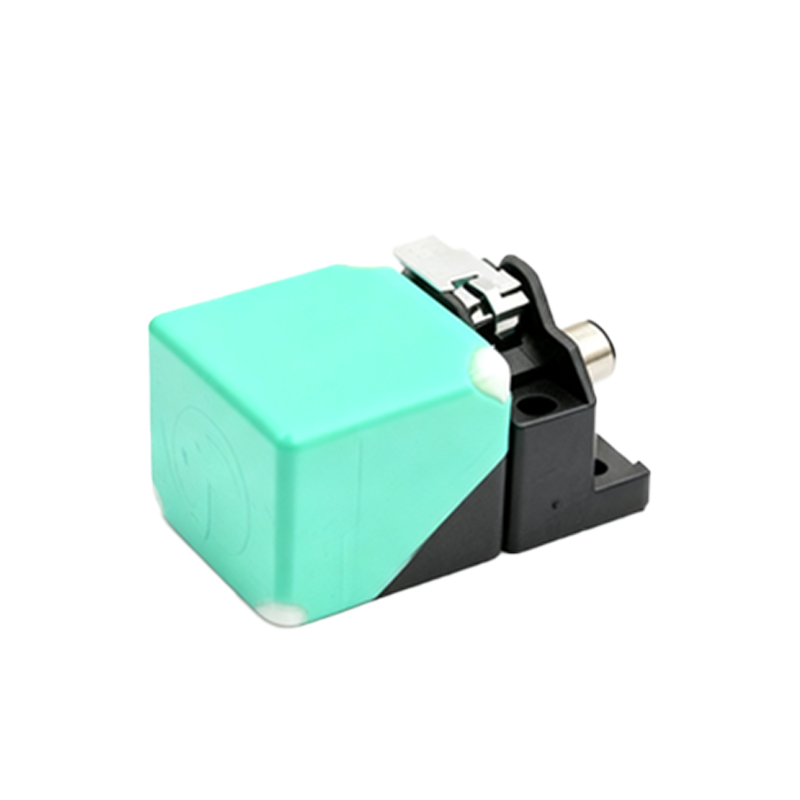
In the realm of industrial automation, stainless steel proximity sensors have become indispensable components due to their durability, resistance to harsh environments, and reliable performance. As an experienced electrical engineer, I aim to provide a comprehensive analysis of the pricing factors and market dynamics surrounding these sensors, catering to professionals seeking informed procurement decisions.
The price of stainless steel proximity sensors is influenced by multiple variables, including material grade, sensing technology, housing design, and brand reputation. Typically, sensors constructed from high-grade stainless steel (such as 316L or 304) command a premium over those using standard alloys, as they offer superior corrosion resistance in aggressive settings like chemical plants or marine applications. Sensing technology also plays a critical role—inductive, capacitive, and ultrasonic variants each have distinct cost structures. For instance, inductive sensors, widely used for metal detection, are often more affordable than capacitive sensors designed for non-metallic materials, owing to differences in internal circuitry and manufacturing complexity.
Market trends indicate a steady demand growth driven by Industry 4.0 initiatives and the expansion of smart manufacturing. This has led to competitive pricing among established manufacturers like Siemens, Omron, and Pepperl+Fuchs, as well as emerging suppliers from Asia. Bulk purchasing, typically for OEM or large-scale projects, can reduce unit costs by 15-30%, while custom configurations (e.g., extended sensing ranges or specialized outputs) may increase prices by 20-50%. Additionally, global supply chain fluctuations, such as raw material shortages or logistic delays, have periodically impacted prices, prompting buyers to consider lead times and inventory strategies.
From a technical standpoint, key features affecting cost include ingress protection (IP) ratings, temperature tolerance, and output types (e.g., PNP/NPN or analog). Sensors with IP68 or higher ratings, suitable for washdown or submerged operations, are priced higher due to enhanced sealing mechanisms. Similarly, models capable of operating in extreme temperatures (-25°C to 100°C+) involve advanced engineering, raising their market value. It is advisable for engineers to evaluate total cost of ownership rather than just initial purchase price, factoring in maintenance, compatibility with existing systems, and lifecycle durability.
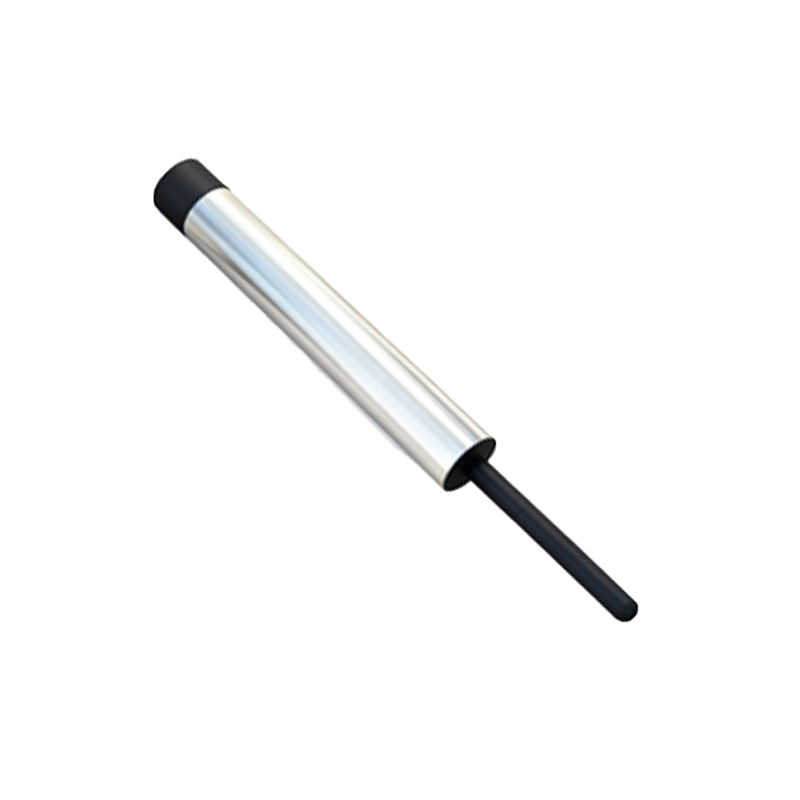
In summary, stainless steel proximity sensor prices range from $50 to $500 per unit, with variations based on specifications and market conditions. As automation continues to evolve, investing in quality sensors that align with operational needs can optimize long-term performance and cost-efficiency.