Proximity sensors are essential components in modern industrial automation, offering non-contact detection of objects within a specific range. Their ability to operate without physical contact makes them ideal for harsh environments where durability and reliability are critical. This article explores the practical applications, selection criteria, and implementation guidelines for proximity sensors in various industrial settings.
Proximity sensors function by emitting an electromagnetic field or a beam of radiation, such as infrared light, and detecting changes in the field or return signal. Common types include inductive, capacitive, ultrasonic, and photoelectric sensors. Inductive sensors are widely used for detecting metallic objects, making them suitable for manufacturing lines involving machinery parts. Capacitive sensors can detect both metallic and non-metallic materials, including liquids and plastics, which is valuable in packaging or food processing industries. Ultrasonic sensors measure distance by emitting sound waves, often applied in level monitoring or obstacle detection. Photoelectric sensors use light beams for precise detection, commonly found in conveyor systems or safety barriers.
When integrating proximity sensors, several factors must be considered to ensure optimal performance. First, determine the sensing range required for the application, as exceeding the sensor's specified range can lead to false readings or failures. Environmental conditions, such as temperature, humidity, and exposure to chemicals, should align with the sensor's IP (Ingress Protection) rating to prevent damage. For instance, sensors in outdoor or washdown areas need high IP ratings like IP67 or IP69K. Additionally, the output type—whether digital (e.g., PNP or NPN) or analog—must match the control system, such as PLCs (Programmable Logic Controllers) or microcontrollers, to facilitate seamless communication.
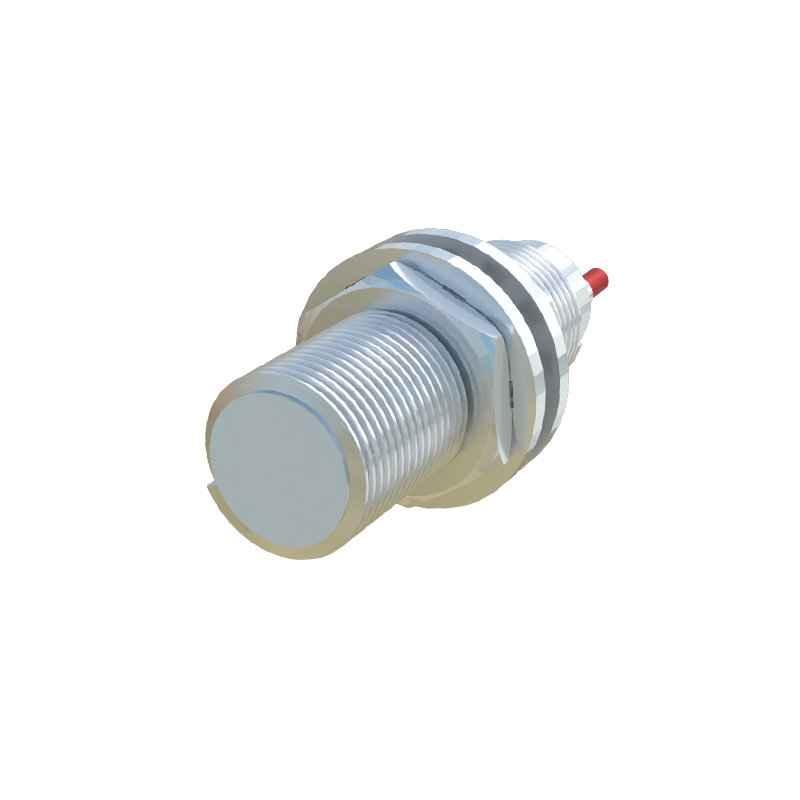
Installation practices play a crucial role in sensor functionality. Mount sensors securely to avoid vibrations that could affect accuracy, and ensure proper alignment with target objects. For inductive sensors, maintain a clearance from surrounding metals to prevent interference, typically by following manufacturer guidelines for minimum distances. In applications involving fast-moving objects, consider the sensor's response time to avoid missed detections. Regular maintenance, including cleaning lenses for photoelectric sensors or checking for debris buildup, helps sustain long-term reliability.
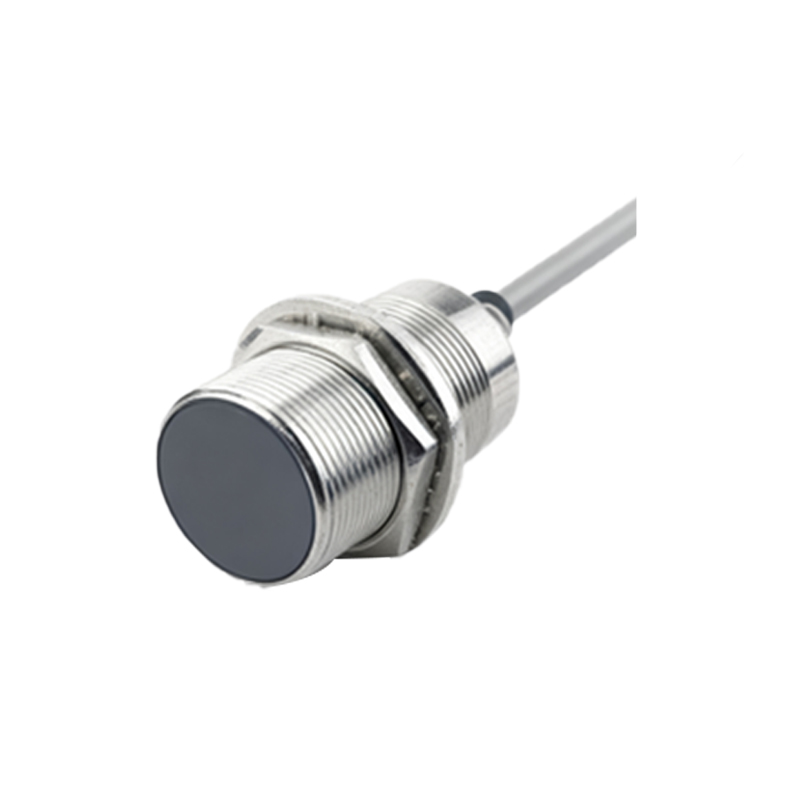
In real-world scenarios, proximity sensors enhance efficiency and safety. On assembly lines, they detect component presence to trigger robotic arms or halt conveyors during jams. In automotive manufacturing, inductive sensors monitor wheel speed for anti-lock braking systems. For warehouse automation, ultrasonic sensors manage inventory levels by measuring bin heights. Safety applications include using photoelectric sensors as light curtains to protect workers from machinery hazards. By reducing manual intervention, these sensors minimize downtime and improve productivity.
Advancements in technology have led to smart proximity sensors with integrated diagnostics and IoT (Internet of Things) connectivity. These sensors can transmit data to central systems for predictive maintenance, alerting operators to potential issues before failures occur. When selecting sensors, evaluate cost versus features, as basic models may suffice for simple tasks, while complex applications might require programmable or networked options. Always refer to datasheets and consult with suppliers to tailor solutions to specific needs.
In summary, proximity sensors are versatile tools that drive automation across industries. By understanding their types, installation requirements, and applications, engineers can deploy them effectively to optimize processes. As industries evolve toward Industry 4.0, leveraging these sensors will continue to be key for achieving precision, safety, and operational excellence.