Proximity sensors are indispensable components in modern industrial automation, robotics, and smart systems. They detect the presence or absence of objects without physical contact, ensuring precision, reliability, and longevity in various applications. This comprehensive collection showcases diverse proximity sensor images, accompanied by insights into their working principles, types, and practical uses.
Inductive Proximity Sensors:
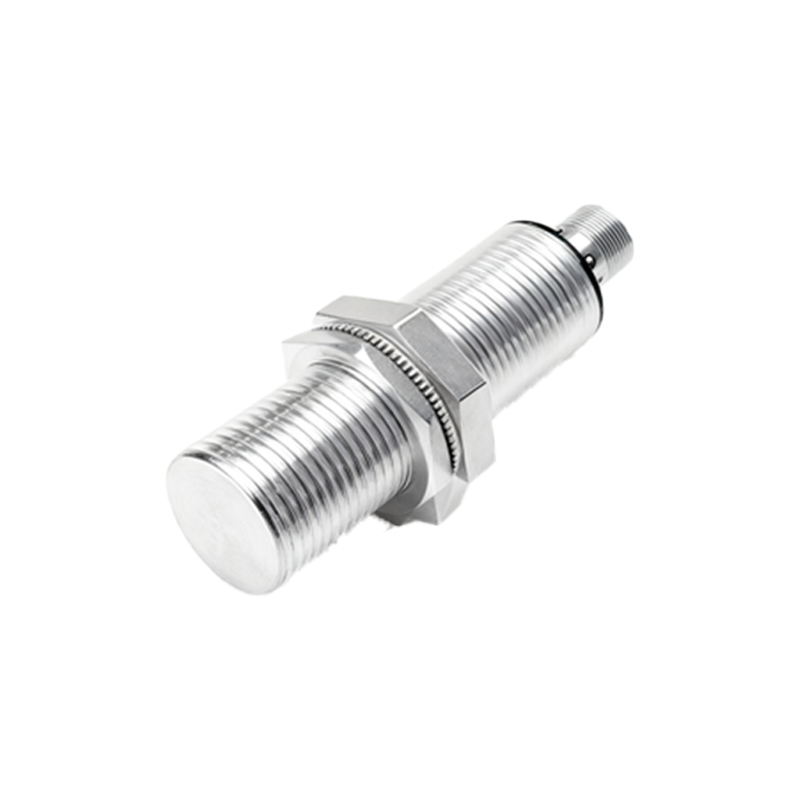
These sensors generate an electromagnetic field to detect metallic objects. Common in manufacturing lines, they are ideal for position sensing, counting, and safety interlocks. Images typically reveal a robust, cylindrical housing with an LED indicator. Variants include shielded (flush-mountable) and unshielded types, with sensing ranges from a few millimeters to several centimeters. Key materials sensed: steel, aluminum, copper.

Capacitive Proximity Sensors:
Capable of detecting both metallic and non-metallic materials (e.g., plastics, liquids, wood), capacitive sensors work by measuring changes in capacitance. Images often display rectangular or cylindrical designs with adjustable sensitivity. They excel in level detection, material handling, and packaging industries. Example applications: monitoring fill levels in containers or detecting transparent films.
Magnetic Proximity Sensors:
Utilizing reed switches or Hall-effect technology, these sensors respond to magnetic fields. Images show compact devices suitable for harsh environments (high temperature, dust, moisture). Frequently used in automotive and aerospace for position feedback (e.g., door open/close detection) and speed monitoring.
Ultrasonic Proximity Sensors:
These emit high-frequency sound waves and measure reflection time to determine distance. Images depict sensors with transducer elements, often in PVC or metal housings. They handle complex tasks like liquid level control, object profiling, and collision avoidance in AGVs (Automated Guided Vehicles). Effective range can extend up to several meters.
Photoelectric Sensors:
Though sometimes categorized separately, photoelectric sensors function as proximity devices using light beams (infrared, laser). Images illustrate through-beam, retro-reflective, and diffuse-reflective models. Applications include conveyor belt monitoring, sorting systems, and automated doors. They offer long sensing distances and high accuracy.
Selection Criteria and Installation Tips:
Choosing the right sensor depends on factors like target material, sensing distance, environmental conditions (IP ratings for dust/water resistance), output type (PNP/NPN, analog), and mounting requirements. Images often highlight key specs: voltage range, response time, and housing material (e.g., stainless steel for corrosive settings). Proper alignment and clearance from metal surfaces (to avoid interference) are critical for optimal performance.
Innovations and Future Trends:
Recent advancements include IO-Link connectivity for smart sensors, miniaturized designs for compact machinery, and enhanced resistance to extreme temperatures. Images of these next-gen sensors reveal integrated diagnostics and wireless capabilities, paving the way for Industry 4.0 integration.
In summary, this visual guide not only aids in identifying proximity sensor types but also supports informed decision-making for industrial projects. Always refer to manufacturer datasheets and application notes for precise implementation.