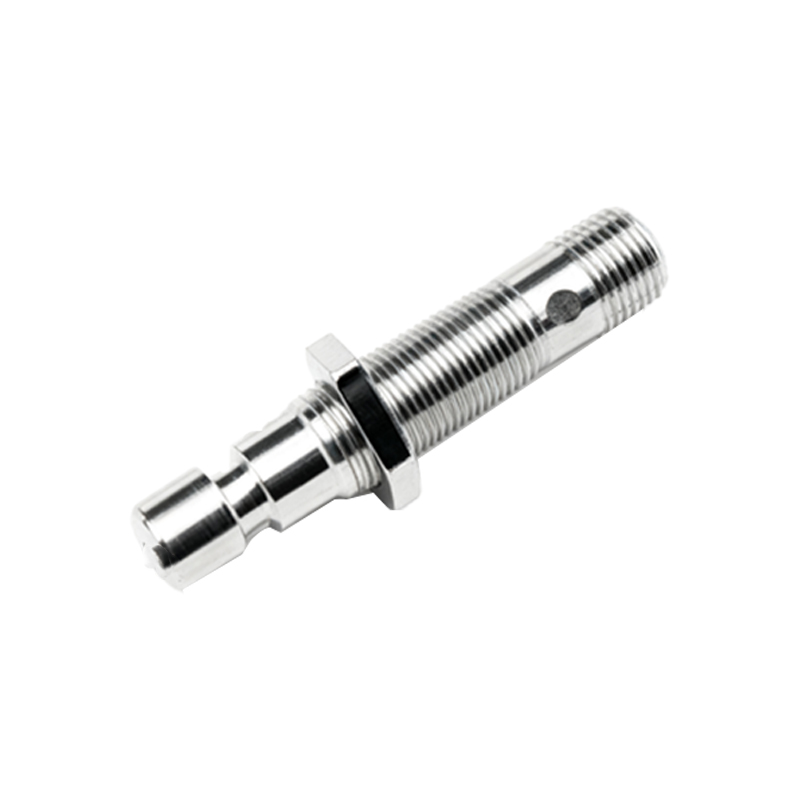
In industrial automation, particularly within hazardous environments, the selection and application of explosion-proof proximity sensors are critical. A fundamental parameter that dictates their performance and suitability is the sensing distance. This distance, often referred to as the nominal sensing distance (Sn), is the maximum range at which a standard target can be reliably detected under specified conditions. For explosion-proof variants, this parameter is not merely a matter of detection capability but is intrinsically linked to safety and system integrity.
The sensing distance of an explosion-proof proximity sensor is primarily determined by its underlying technology. Inductive sensors, which detect metallic objects, typically offer shorter ranges, from a few millimeters up to about 60 millimeters, depending on the sensor's size and coil design. Capacitive sensors, capable of detecting both metallic and non-metallic materials, may have similar or slightly longer ranges. Ultrasonic and photoelectric sensors integrated into explosion-proof housings can achieve significantly longer sensing distances, sometimes exceeding several meters. However, the explosion-proof encapsulation, which includes robust housings, thick glass or ceramic sensing faces, and flame-path engineering, invariably introduces a damping effect. This protective barrier can reduce the effective sensing range compared to a standard industrial sensor of the same technology.
Several key factors influence the actual, usable sensing distance in the field. The first is the target material. For inductive sensors, the target's metal type (e.g., steel, aluminum, copper) and size significantly impact the range. A standard Sn is usually defined for mild steel. For aluminum, the effective sensing distance may be reduced to approximately 50% of Sn, and for stainless steel, to about 70-80%. The second critical factor is the installation environment. Temperature extremes can affect the electronic components and the damping material, potentially altering the sensing characteristics. The presence of dust, moisture, or chemical deposits on the sensing face can attenuate the signal, effectively reducing the range. Thirdly, electrical noise in harsh industrial settings can interfere with the sensor's signal, necessitating proper shielding and installation practices to maintain the rated distance.
A crucial concept in application engineering is the "operating distance" (Sr). This is the range within which reliable switching is guaranteed, considering all manufacturing tolerances, supply voltage variations, and temperature effects. It is typically 70% to 90% of the nominal sensing distance (Sn). For safety-critical applications, designers must use this reduced operating distance, not the nominal Sn, to ensure failsafe operation. Furthermore, the "reliable sensing distance" must account for the sensor's hysteresis—the difference between the switch-on and switch-off points—to prevent chattering when a target is at the edge of the detection zone.
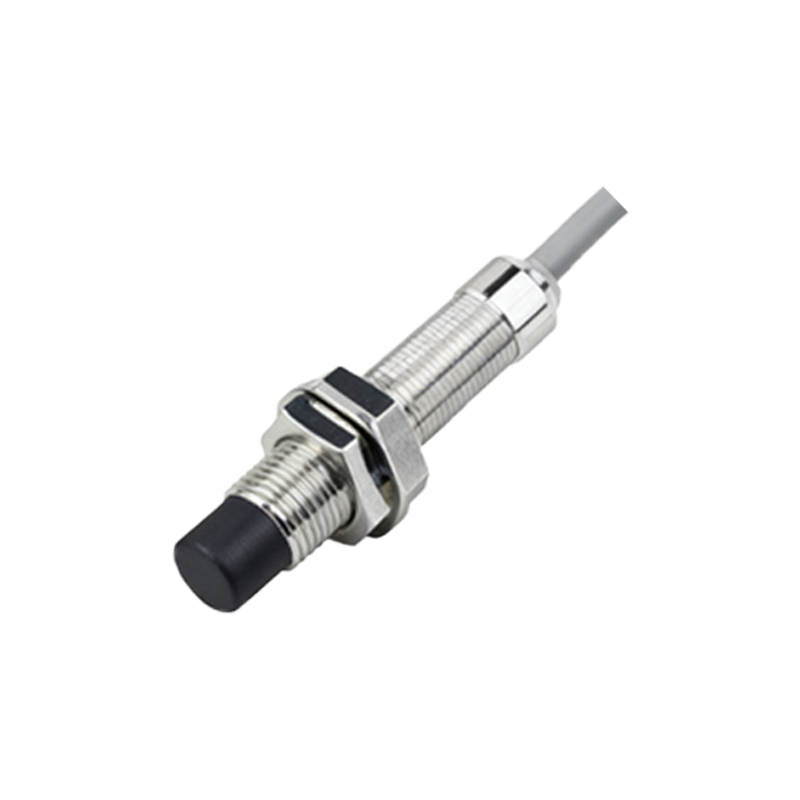
When integrating these sensors into an explosion-proof system, the sensing distance directly interacts with safety requirements. Standards such as IECEx and ATEX mandate that the sensor's housing integrity and flame-proof gaps are maintained. This means the sensor must be installed with specific wrenching dimensions and torque settings on its cable glands and housing bolts. An incorrectly installed sensor, even if it functions electrically, may compromise its explosion-proof rating. Therefore, the mechanical installation clearances required to maintain the flame path can impose practical limits on how close a sensor can be mounted to its target or to other equipment, indirectly constraining the usable sensing distance.
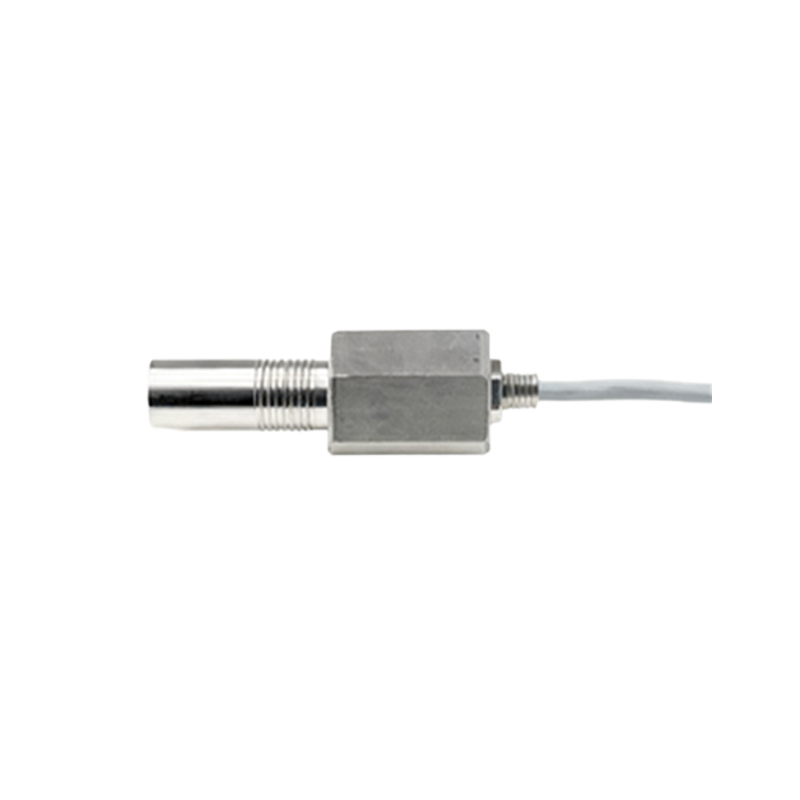
For optimal performance, systematic testing and calibration are imperative. The sensing distance should be verified under simulated or actual operating conditions, not just at room temperature in a clean lab. Regular maintenance to keep the sensing face clean and free from obstructions is a simple yet vital practice. When selecting a sensor, engineers must carefully review the datasheet, paying close attention to the specified nominal sensing distance (Sn), the guaranteed operating distance (Sr), the reduction factors for different target materials, and the temperature coefficients. Choosing a sensor with a nominal range 30-50% greater than the absolute minimum required provides a necessary safety margin to compensate for real-world variables like target alignment, wear, and environmental buildup.
In conclusion, the sensing distance of an explosion-proof proximity sensor is a deceptively simple specification with profound implications. It is a dynamic value shaped by physics, engineering design, environmental conditions, and stringent safety standards. A deep understanding of this parameter, moving beyond the catalog number to grasp the underlying factors and application margins, is essential for designing robust, reliable, and safe automation systems in hazardous locations. Proper selection, installation, and maintenance centered on this key parameter ensure not only operational efficiency but also the paramount goal of preventing ignition in volatile atmospheres.