In industrial automation, proximity sensors play a critical role in detecting the presence or absence of objects without physical contact. Among various materials, aluminum presents unique challenges due to its non-ferrous properties. This article explores the specialized technology behind aluminum cylinder proximity sensors, their operating principles, and practical applications in modern manufacturing environments.
Aluminum, being a non-ferrous metal, requires sensors specifically designed to overcome its low electrical conductivity and absence of magnetic properties. Standard inductive proximity sensors, which rely on detecting changes in magnetic fields caused by ferrous materials, are ineffective with aluminum. Instead, aluminum cylinder proximity sensors utilize high-frequency oscillation principles. These sensors generate an electromagnetic field that induces eddy currents in the aluminum surface. The resulting energy loss in the oscillator circuit triggers the sensor's output signal when an aluminum cylinder enters its detection range.
Key factors influencing aluminum detection include the sensor's operating frequency, the aluminum alloy composition, and the cylinder's surface condition. Pure aluminum (1000 series) exhibits different detection characteristics compared to alloys like 6061 or 7075, which contain elements such as copper, magnesium, or zinc. Sensor manufacturers typically provide correction factors for various aluminum types. Surface treatments like anodizing or painting can reduce detection distances by up to 50%, requiring careful consideration during system design.
Modern aluminum proximity sensors incorporate several advanced features. Temperature compensation circuits maintain consistent performance across industrial environments ranging from -25°C to 70°C. Shielded designs minimize interference from adjacent metal objects, while IP67 or IP69K ratings ensure reliable operation in harsh conditions involving coolants, oils, or washdown procedures. Some models offer teach-in functionality, allowing automatic calibration to specific aluminum cylinders during installation.
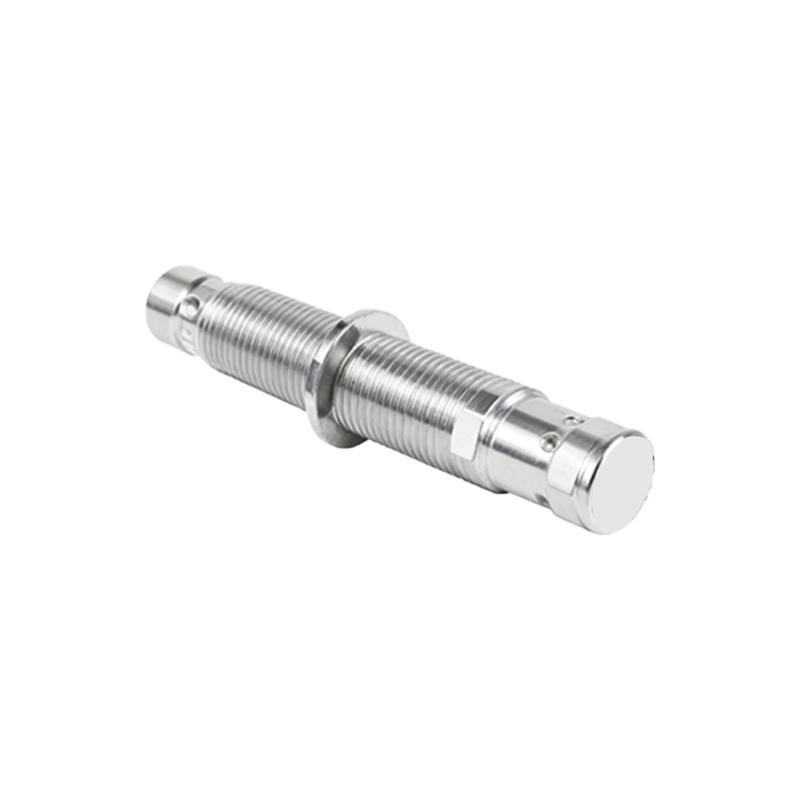
Detection distance represents a crucial specification. For aluminum cylinders, standard sensing ranges typically fall between 30-80% of equivalent ferrous metal ranges. A sensor with a 15mm range for steel might detect aluminum at 5-12mm, depending on the alloy. Cylinder diameter also affects performance—the sensor's effective range should not exceed the cylinder's radius to ensure reliable detection. For small-diameter cylinders (below 8mm), specialized reduced-range sensors provide optimal performance.
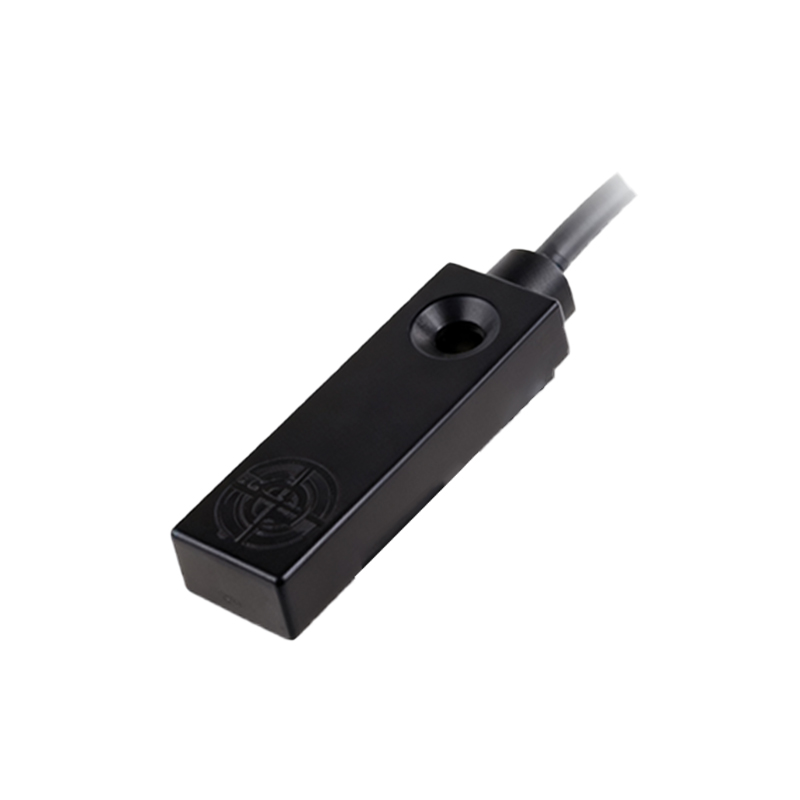
Installation considerations include maintaining proper clearance from surrounding metals. The manufacturer's recommended lateral and axial spacing prevents mutual interference between multiple sensors. Mounting in non-metallic brackets eliminates false triggering, while proper grounding reduces electrical noise. For rotating cylinders, sensors with high switching frequencies (up to 5kHz) capture rapid movements without missing detection events.
Industrial applications span numerous sectors. In automotive manufacturing, these sensors verify aluminum piston positioning in engine assembly lines. Packaging machinery uses them to detect aluminum aerosol cans during filling operations. CNC machining centers employ proximity sensors to confirm aluminum workpiece loading before initiating cutting cycles. Robotic welding cells utilize them to ensure proper alignment of aluminum components prior to welding.
Recent technological advancements include analog-output sensors that provide continuous distance measurement rather than simple on/off signals. This capability enables precision monitoring of cylinder position in servo systems. IO-Link communication allows digital parameter adjustment and diagnostic monitoring through industrial networks. Some sensors now incorporate condition monitoring features, predicting maintenance needs by tracking performance degradation over time.
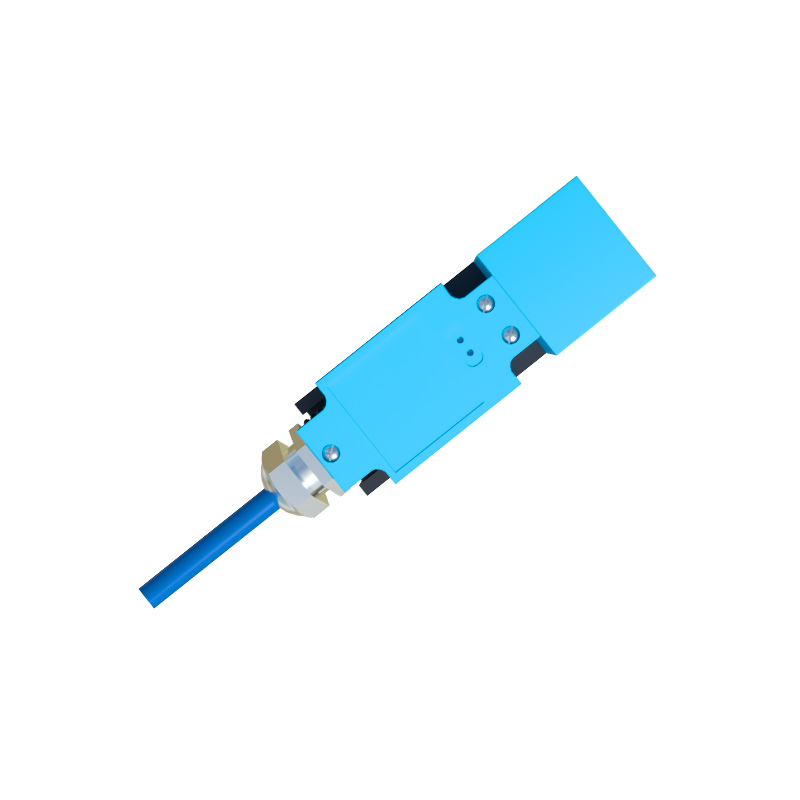
When selecting aluminum cylinder proximity sensors, engineers should evaluate several parameters: required sensing distance, cylinder dimensions and alloy, environmental conditions, output type (PNP/NPN/analog), and electrical connections. Consulting manufacturer datasheets for specific aluminum correction factors ensures proper sensor sizing. Testing with actual production samples under operating conditions provides the most reliable verification before full-scale implementation.
Maintenance practices focus on keeping sensor faces clean from metal chips or contaminants that could affect performance. Regular verification of switching points using certified gap gauges maintains detection accuracy. In high-vibration environments, checking mounting hardware torque prevents alignment shifts. Monitoring output signal consistency through PLC diagnostics helps identify developing issues before they cause production stoppages.
The evolution of aluminum proximity sensors continues with miniaturization trends allowing installation in increasingly compact machinery. Enhanced EMC protection ensures reliable operation near variable frequency drives and other power electronics. Future developments may include integrated identification capabilities, where sensors could distinguish between different aluminum alloys or detect surface defects simultaneously with presence detection.
As industries increasingly adopt aluminum for its strength-to-weight ratio and corrosion resistance, specialized detection solutions become ever more essential. Understanding the technical nuances of aluminum cylinder proximity sensors enables engineers to design robust, reliable automation systems that maximize productivity while minimizing false triggers and maintenance requirements. Proper selection, installation, and maintenance of these sensors contribute significantly to overall equipment effectiveness in modern manufacturing facilities.