Proximity sensors are indispensable components in modern industrial automation, offering non-contact detection of objects with high precision and reliability. As an electrical engineer, selecting the appropriate sensor model is crucial for optimizing system performance. This guide provides an in-depth overview of all major proximity sensor models, their working principles, and typical applications.
Inductive proximity sensors are among the most common types, designed to detect metallic objects. They operate by generating an electromagnetic field and monitoring disturbances caused by conductive materials. Key models include shielded (flush-mountable) and unshielded (non-flush) variants. Shielded models, such as the E2A series by Omron or the BI series by Schneider Electric, allow installation without gaps, making them ideal for tight spaces. Unshielded models, like the E2B series, offer longer sensing ranges but require more clearance. Standard sensing distances range from 1 mm to 60 mm, with cylindrical (e.g., M8, M12, M18, M30) and rectangular housing options. Advanced models feature analog outputs (4-20 mA or 0-10 V) for distance measurement or IO-Link communication for digital data exchange.
Capacitive proximity sensors detect both metallic and non-metallic materials, including liquids, plastics, and wood. They function by measuring changes in capacitance when an object enters the electric field. Models like the E2K series by Omron or the CQ series by Pepperl+Fuchs are widely used in level detection, material handling, and packaging. These sensors often include sensitivity adjustment potentiometers to adapt to different materials. Typical sensing distances vary from 3 mm to 40 mm, with temperature-resistant versions available for harsh environments.
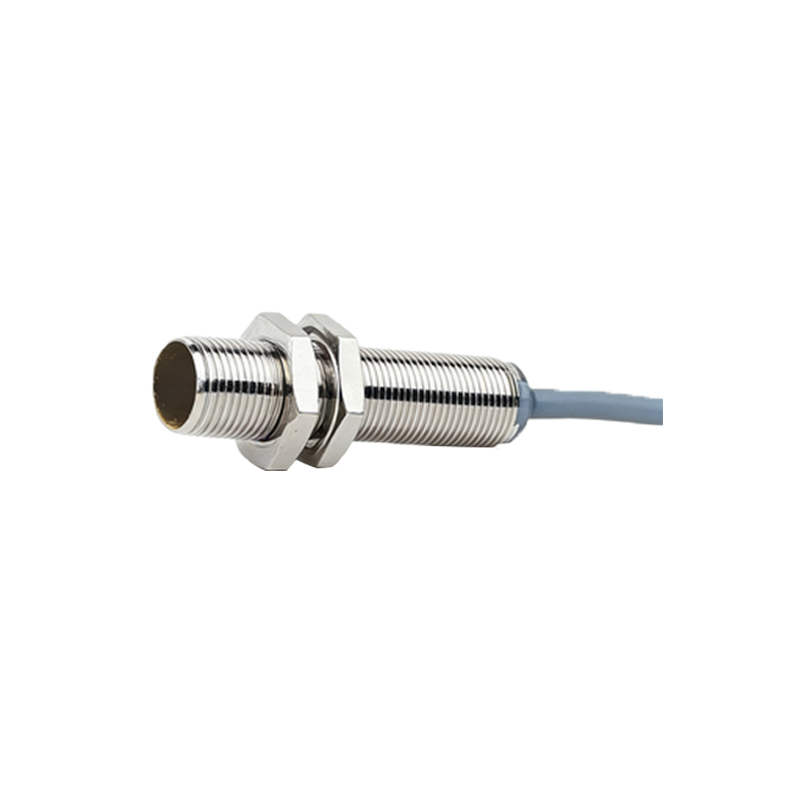
Ultrasonic proximity sensors utilize sound waves to detect objects, regardless of material composition. They are ideal for long-range applications (up to 8 meters) and challenging conditions like dust or humidity. Models such as the UC series by Siemens or the UB series by Baumer offer both analog and switching outputs. Key features include adjustable sensing windows, temperature compensation, and robust housings (e.g., IP67/IP69K ratings). These sensors excel in distance measurement, object profiling, and liquid level control.
Magnetic proximity sensors, or reed switches, detect permanent magnets. They are compact, cost-effective, and used in position sensing for cylinders, valves, or doors. Tubular models (e.g., M5 or M8 diameters) and flat-pack designs are common, with versions like the D-A93 series by Honeywell providing high switching frequencies.
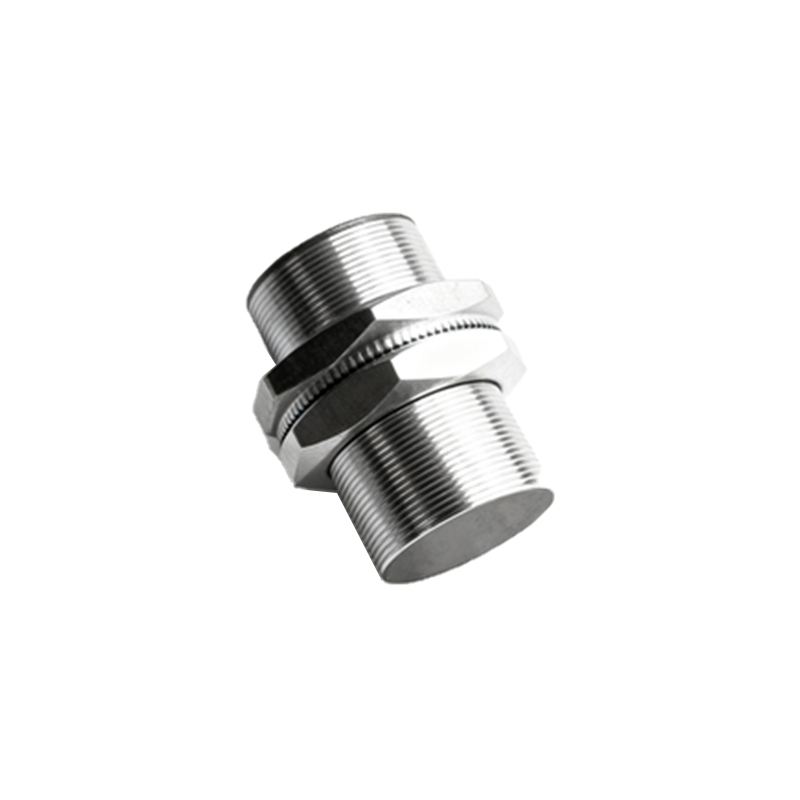
Photoelectric sensors, while sometimes categorized separately, function as proximity devices using light beams. Diffuse models detect objects by reflecting light, while through-beam and retro-reflective types offer longer ranges. Modern variants, such as the E3Z series by Omron, incorporate background suppression technology to ignore distant objects.
When selecting a model, engineers must consider factors like sensing distance, output type (PNP/NPN, NO/NC), housing material (stainless steel, brass, or plastic), and environmental ratings. International standards (IEC 60947-5-2) ensure reliability and safety. Emerging trends include miniaturization (e.g., M5 sensors), enhanced EMC protection, and integration with IIoT platforms via IO-Link.
In summary, proximity sensors offer diverse solutions for automation challenges. Understanding each model’s specifications—from inductive to ultrasonic—enables engineers to design efficient, resilient systems. Always consult manufacturer datasheets for precise parameters and application guidelines.