Flat proximity sensors, characterized by their low-profile, space-saving design, are indispensable components in modern industrial automation. Their slim form factor allows for installation in confined spaces where standard cylindrical sensors cannot fit, making them ideal for applications like robotic end-effectors, machine tooling, material handling, and packaging machinery. Unlike their cylindrical counterparts, flat sensors offer a wider sensing surface, which can be advantageous for detecting objects with uneven surfaces or for creating a larger detection zone. The operating principle primarily involves inductive, capacitive, or magnetic field technologies, with inductive being the most prevalent for metal detection.
A comprehensive overview of common flat proximity sensor models reveals a range tailored to specific needs. Key specifications include sensing distance, output type, housing material, and connection method.
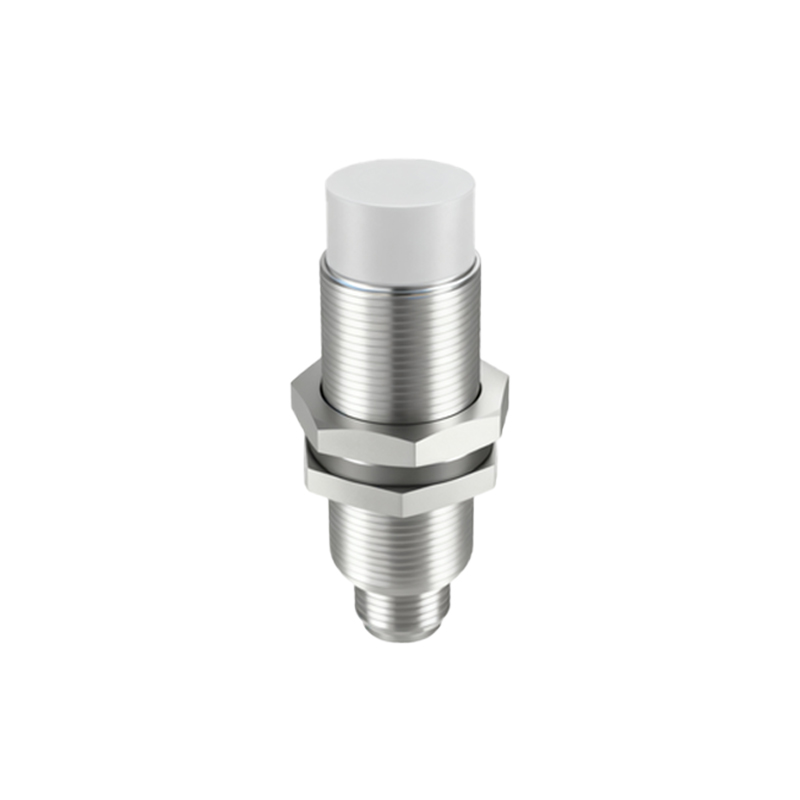
1. Standard Rectangular Inductive Models:
These are the workhorses of the category. Models like the IFM IW Series (e.g., IW254) offer robust metal housing, typically in 30mm x 30mm or 40mm x 40mm footprints, with sensing distances ranging from 2mm to 15mm. They commonly feature PNP or NPN transistor outputs (3-wire DC) and LED status indication. The Pepperl+Fuchs NJ Series provides similar rectangular formats with high switching frequencies, suitable for fast-paced assembly lines.
2. Ultra-Thin or Slot-Type Sensors:
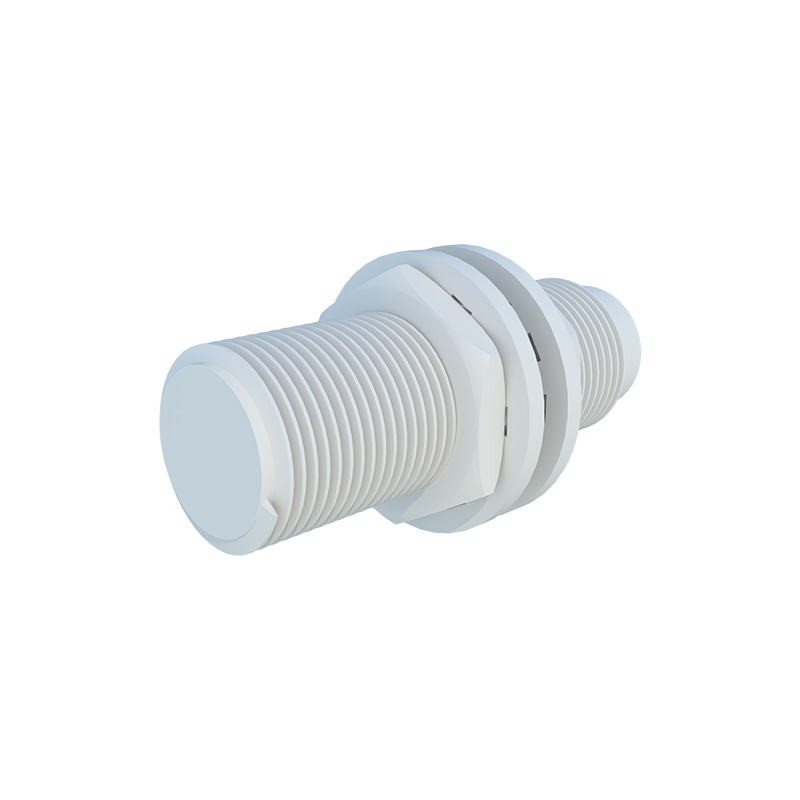
For extremely tight spaces, ultra-thin models are critical. The Sick WTT Series, for instance, boasts housing heights as low as 5mm. These "slot-type" sensors are perfect for detecting the presence of PCBs, small metal parts, or as a through-beam break detector. The Omron E2E Flat Series also offers compact designs with built-in amplifiers, providing reliable detection of tiny metal targets.
3. Analog Output Flat Sensors:
Beyond simple on/off detection, analog models provide continuous distance or position feedback. The Balluff BAF Series flat analog sensors output a signal (e.g., 4-20mA, 0-10V) proportional to the distance to the target. This is invaluable for applications like gap monitoring, vibration measurement, or precision positioning control where quantitative data is required.
4. Factor 1 Cylindrical Equivalents (Flat Pack):
Some manufacturers design flat sensors to directly replace standard cylindrical M8, M12, or M18 sensors, maintaining the same electrical characteristics and sensing range but in a flat package. The Turck BI Series is a prominent example, offering a flat form factor with standard M12 or M8 connectors, simplifying retrofitting and cabinet design.
5. High-Temperature and Welding-Robust Models:
Harsh environments demand specialized sensors. Models like the ifm IW series with high-temperature variants or the Sick IME Series with advanced housing materials can withstand temperatures exceeding 100°C and are resistant to weld spatter and electromagnetic interference commonly found in welding cells and foundries.
6. Capacitive Flat Sensors:
For detecting non-metallic objects (plastic, glass, wood, liquids), capacitive flat sensors are used. The Sick CT Series flat capacitive sensors feature a large, sensitive area to detect material levels through container walls or the presence of insulating materials. The Pepperl+Fuchs CQ Series offers flat capacitive sensors in compact housings.
Selection Criteria:
Choosing the correct model requires analyzing several parameters:
Sensing Distance: The rated operating distance (Sn). Consider a safety factor (typically 0.8x Sn) for reliable operation.
Target Material: Inductive for metals (with correction factors for different metals), capacitive for non-metals or liquids.
Output Configuration: PNP (sourcing) or NPN (sinking) digital, analog, or IO-Link for smart sensor capabilities.
Environmental Rating: IP67 (dust and temporary immersion) or IP69K (high-pressure washdown) is standard for industrial use.
Housing Material: Stainless steel (V4A/AISI 316) for corrosive environments, PBT plastic for general use.
Electrical Connection: Pre-wired cable, standard M8/M12 connectors, or quick-disconnect options.
Installation and Application Notes:
Proper mounting is crucial. Most flat sensors require flush mounting in a metal bracket to achieve their stated sensing range. Non-flush mounting (with the sensor face protruding) increases the sensing distance but makes the sensor susceptible to lateral mechanical damage. Always ensure the target approaches the sensor's active face perpendicularly for optimal performance. Common applications include position verification of cylinders with integrated piston magnets (using magnetic-field sensors), part presence detection on conveyor belts, tool