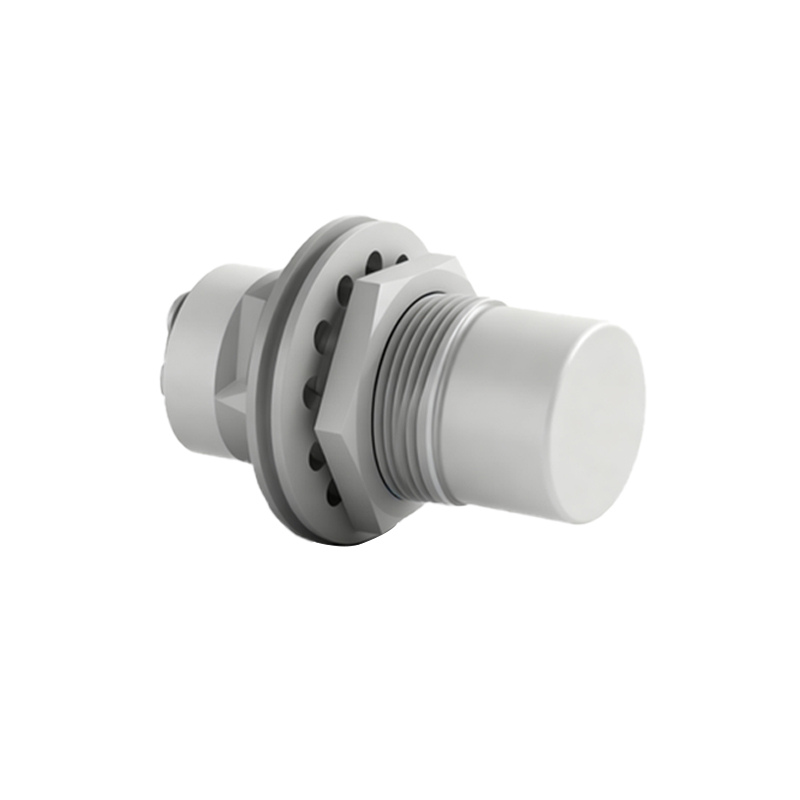
The S20 proximity sensor represents a significant advancement in industrial sensing technology, designed to meet the demanding requirements of modern automation and control systems. As a non-contact detection device, it operates by emitting an electromagnetic field or a beam of electromagnetic radiation, typically infrared, and detecting changes in the field or return signal. This allows for the detection of objects without physical contact, making it ideal for applications where hygiene, precision, or durability are critical. The S20 model, in particular, has gained popularity due to its robust construction, high reliability, and adaptability across various industrial environments.
One of the standout features of the S20 proximity sensor is its sensing range, which can be customized based on specific application needs. Typically, it offers a detection distance ranging from a few millimeters to several centimeters, ensuring flexibility in placement and operation. The sensor is engineered with high-grade materials that provide resistance to environmental factors such as dust, moisture, and temperature fluctuations. This makes it suitable for use in harsh conditions, including manufacturing floors, automotive assembly lines, and food processing plants. Additionally, the S20 incorporates advanced signal processing capabilities, reducing false triggers and enhancing accuracy in object detection. Its output options, including NPN, PNP, and analog signals, allow for seamless integration with a wide array of control systems, from PLCs to microcontrollers.
In industrial applications, the S20 proximity sensor plays a crucial role in enhancing efficiency and safety. For instance, in automated production lines, it is used for part presence detection, ensuring that components are correctly positioned before machining or assembly processes. This minimizes errors and reduces downtime, leading to increased productivity. In packaging machinery, the sensor helps in counting items, controlling fill levels, and verifying label placement, contributing to consistent product quality. Moreover, in safety systems, it can be employed as a non-contact limit switch to prevent machinery from operating when an obstruction is detected, thereby protecting both equipment and personnel. The sensor's fast response time, often in the millisecond range, is essential for high-speed operations where timing is critical.
Installation and maintenance of the S20 proximity sensor are straightforward, thanks to its user-friendly design. Most models come with LED indicators that provide visual feedback on operational status, simplifying troubleshooting. When installing, it is important to consider factors such as mounting orientation, surrounding metal interference, and environmental conditions to optimize performance. Regular maintenance involves cleaning the sensing face to prevent buildup that could impair functionality, and checking connections for corrosion or wear. With proper care, the S20 sensor can deliver long service life, often exceeding millions of operating cycles, which translates to a low total cost of ownership.
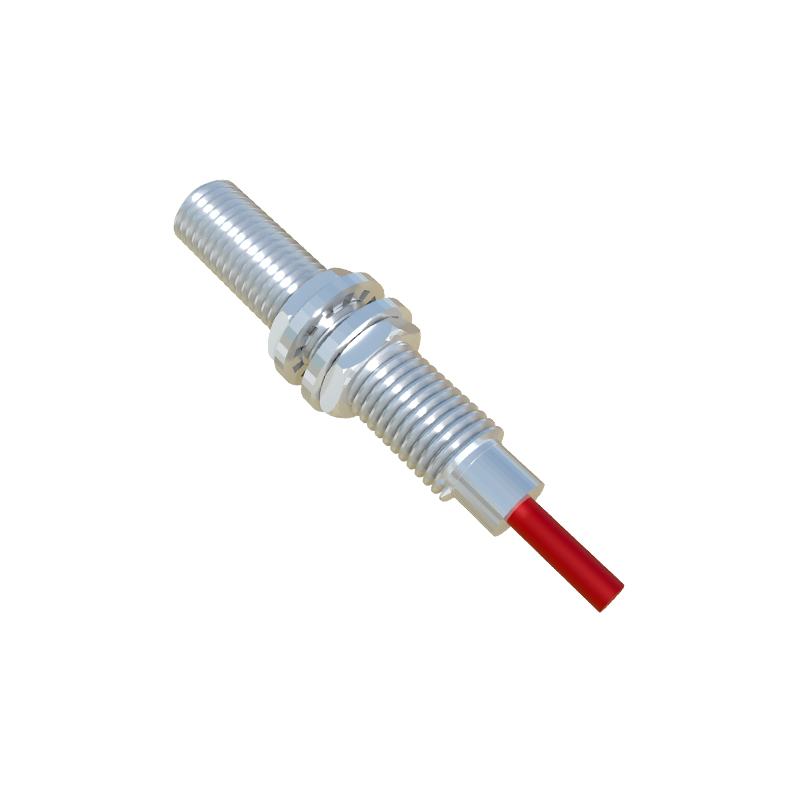
Looking ahead, the integration of smart technologies with proximity sensors like the S20 is set to expand. Innovations such as IoT connectivity and data analytics enable predictive maintenance, where sensor data can forecast potential failures before they occur, further reducing operational disruptions. As industries continue to embrace Industry 4.0 principles, the demand for reliable, high-performance sensors will grow, positioning the S20 as a key component in the evolution of automated systems. Its versatility and durability ensure that it remains a preferred choice for engineers seeking to enhance operational efficiency and reliability in diverse industrial settings.