In the realm of industrial automation and machinery, proximity sensors stand as critical components for enabling non-contact detection, ensuring safety, and enhancing operational efficiency. A common inquiry among engineers and procurement specialists revolves around the pricing of high-quality proximity sensors. The cost is not a singular figure but a reflection of a complex interplay of technology, performance, and application demands. This article delves into the key factors that determine the price point of these reliable devices.
Firstly, the underlying sensing technology is a primary cost driver. Inductive proximity sensors, used for detecting metallic objects, are generally more cost-effective for standard applications. Capacitive sensors, capable of detecting both metallic and non-metallic materials, often command a higher price due to their more complex circuitry. Ultrasonic and photoelectric sensors, offering longer ranges and specialized detection capabilities, typically reside in a higher price bracket. The choice of technology directly correlates with the sensor's core component costs and manufacturing complexity.
Secondly, performance specifications significantly influence price. Key parameters include sensing range, repeat accuracy, response frequency, and environmental ratings. A sensor with a longer nominal sensing range or micron-level repeatability requires more precise calibration and higher-grade internal components, elevating its cost. Similarly, sensors designed for extreme conditions—featuring high IP ratings (e.g., IP67, IP69K) for water and dust resistance, extended temperature tolerance (e.g., -25°C to 70°C), or exceptional resistance to chemicals, oils, and welding spatter—incur additional expenses for robust housing materials (like stainless steel or PBT) and advanced sealing techniques.
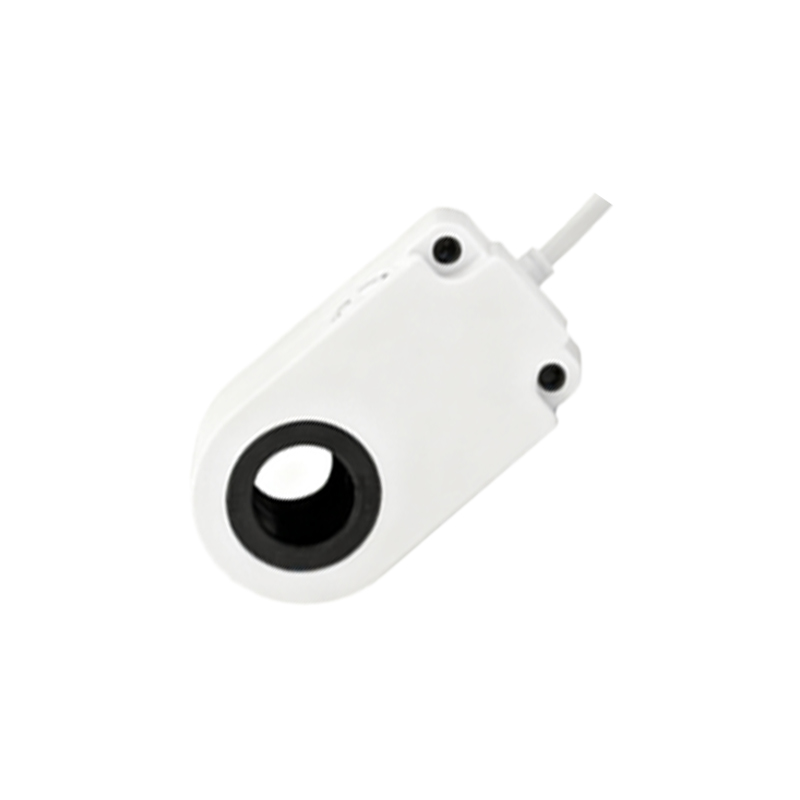
Thirdly, the form factor and design intricacies play a role. Miniaturized sensors, such as those in M8 or M5 threaded barrels, often have a higher cost-per-unit due to the engineering challenges involved in packing functionality into a tiny space. Special shapes, built-in amplifiers, or sensors with unique form factors for specific mounting challenges also add to the manufacturing and development costs.
Fourth, output configuration and connectivity are pivotal. Basic two-wire DC sensors are usually the most economical. Three-wire DC sensors (NPN or PNP) and four-wire models (with both NO and NC outputs) offer more flexible integration but at a higher price. Analog output sensors (4-20mA, 0-10V) or those with IO-Link digital communication capabilities represent the premium segment. IO-Link sensors, in particular, provide advanced diagnostics, parameterization, and process data, justifying their higher investment through reduced downtime and smarter maintenance.
Fifth, brand reputation, certification, and support contribute to the value proposition. Established manufacturers with a proven track record in quality control, reliability, and global compliance (e.g., CE, UL, ATEX for hazardous areas) often price their products higher. This premium covers extensive R&D, rigorous testing, comprehensive warranties, and accessible technical support—factors crucial for minimizing total cost of ownership in critical applications.
Lastly, order volume and supply chain dynamics affect final pricing. Bulk purchases typically secure substantial discounts. Conversely, market fluctuations in raw material costs (metals, semiconductors) and logistical challenges can cause price variability.
In conclusion, the price of a high-quality proximity sensor is a direct function of its technological sophistication, performance robustness, design specialization, and the intrinsic value offered by the manufacturer. While initial purchase price is a consideration, the focus for engineers should be on selecting a sensor that ensures long-term reliability, minimizes machine downtime, and fits the precise technical demands of the application. Investing in the appropriate quality tier ultimately safeguards productivity and operational continuity.