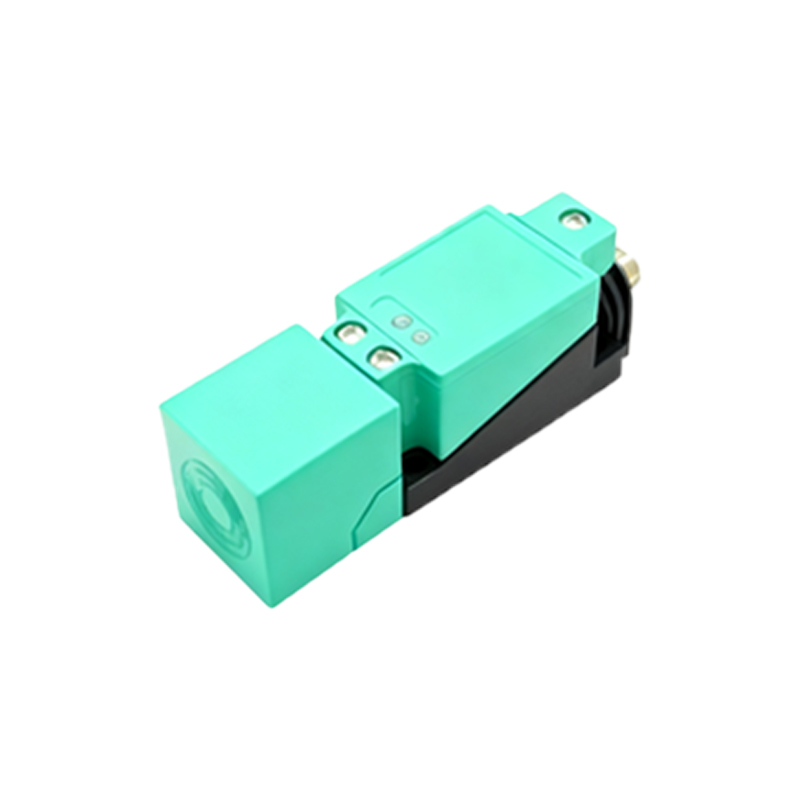
In the realm of industrial automation, proximity sensors are indispensable components for non-contact detection of objects. Among the various wiring configurations, the two-wire system stands out for its simplicity and widespread use. This article delves into the technical principles, wiring methodology, advantages, and critical considerations for implementing two-wire proximity sensors effectively.
Fundamentally, a two-wire proximity sensor integrates the switching element directly into the power supply line. Unlike three-wire or four-wire sensors that have separate power, ground, and signal wires, a two-wire sensor has only two connection points. These two wires carry both the operating power for the sensor's internal circuitry and the switched load current. The sensor operates by modulating its internal impedance. In its normal state (no target detected), a small "leakage" or "off-state" current flows through the sensor to power its internal electronics. When a target enters the sensing range, the sensor's internal switching element (typically a solid-state switch like a MOSFET) activates, significantly reducing its impedance. This allows a much larger "on-state" current to flow, which can power a load such as a PLC input module, a relay coil, or an indicator lamp.
The wiring procedure is straightforward but requires attention to detail. The sensor is connected in series with the load and the power supply. Polarity is crucial for DC sensors; one wire connects to the positive DC supply, and the other wire connects to the load, which then returns to the negative side of the supply. For AC two-wire sensors, polarity is not a concern, but voltage and frequency ratings must be strictly observed. A critical step is ensuring the load has a minimum current requirement. The sensor's off-state leakage current must be sufficient to keep the sensor active but low enough not to inadvertently activate the load (a phenomenon known as "ghost voltage" or "leakage activation"). Conversely, the on-state current must not exceed the sensor's maximum switching capacity. Always consult the manufacturer's datasheet for specific values like leakage current, minimum load current, and maximum load current.
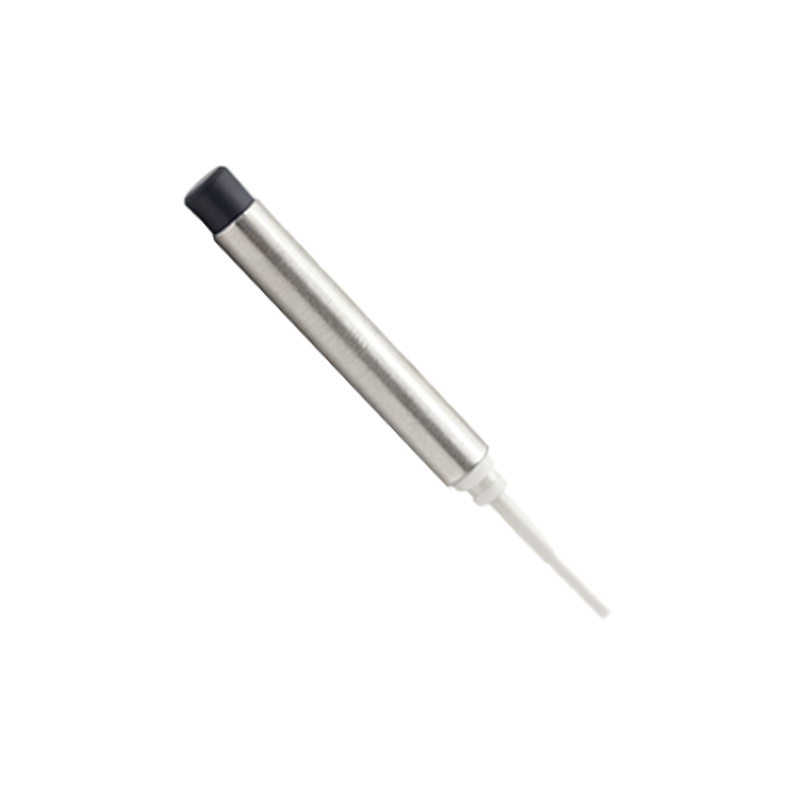
The primary advantage of the two-wire system is its reduced wiring complexity. It requires fewer wires and terminals, leading to lower installation costs, less space consumption in control cabinets, and reduced potential for wiring errors. This simplicity makes it ideal for replacing mechanical limit switches directly. Furthermore, since it has no separate signal wire, it can be easier to seal, often resulting in robust housings suitable for harsh environments.
However, engineers must be aware of its limitations. The shared path for power and signal means that voltage drops across the load can affect sensor performance. The leakage current necessitates the use of a load with a minimum current draw, which can sometimes require adding a "bleeder" or "wetting" resistor in parallel with high-impedance PLC inputs. Diagnostic capabilities are also more limited compared to three-wire sensors with dedicated signal outputs; distinguishing between a sensor failure, a wiring break, and a load failure can be more challenging.
Key application considerations include load compatibility. Before installation, verify that the PLC input module or relay is compatible with two-wire sensors, considering the leakage and load current specifications. For long cable runs, voltage drop calculations are essential to ensure the sensor receives adequate voltage at its terminals. In environments with significant electrical noise, proper shielding and grounding practices are mandatory to prevent false triggering. It is also vital to select a sensor with an appropriate sensing range, housing material (e.g., stainless steel for washdown areas), and output type (normally open or normally closed) for the specific application.
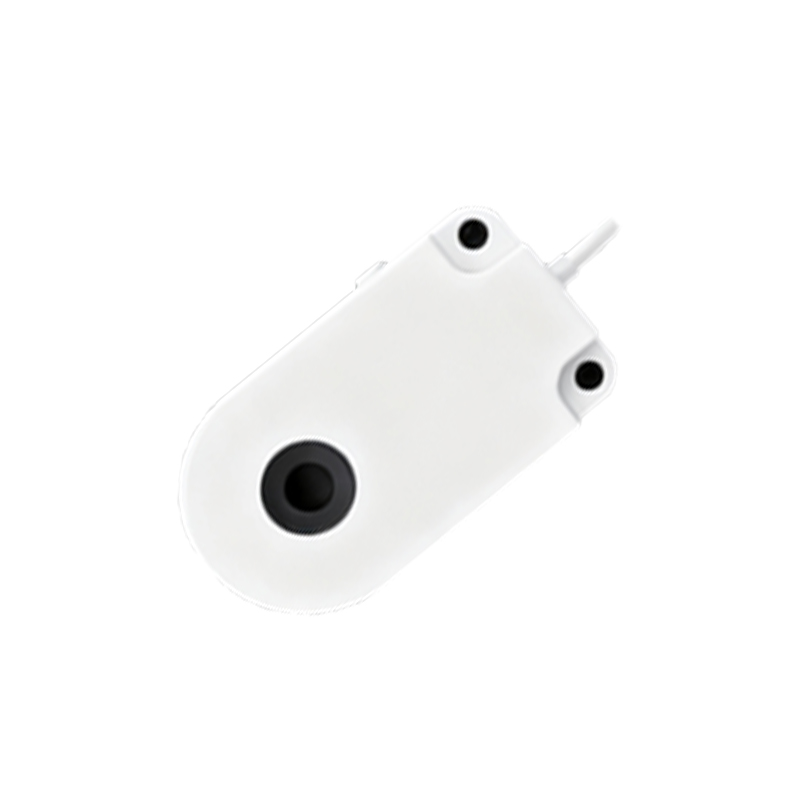
In summary, the two-wire proximity sensor offers a elegant and cost-effective solution for countless detection tasks in automation. Its success hinges on a clear understanding of its operating principle—particularly the role of leakage current—and careful matching with the connected load. By adhering to manufacturer specifications and accounting for application-specific factors like cable length and electrical noise, engineers can reliably deploy these sensors to enhance system efficiency and reliability. Their simplicity continues to make them a cornerstone of modern industrial control systems.