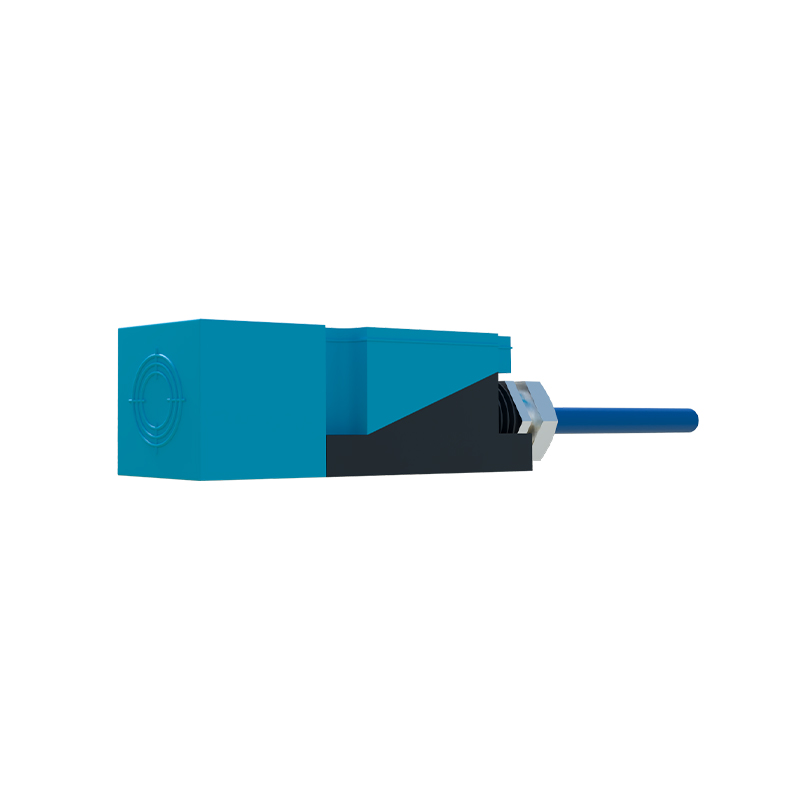
Inductive proximity sensors are widely used in industrial automation for non-contact detection of metallic objects. Their lifespan is a critical factor influencing system reliability and maintenance costs. Understanding the elements that affect sensor longevity and implementing best practices can significantly enhance operational efficiency.
The lifespan of an inductive proximity sensor is primarily determined by its internal components and operating conditions. Key factors include the oscillator circuit, coil design, and housing material. The oscillator generates an electromagnetic field, and its stability over time directly impacts sensor performance. High-quality oscillators with robust components tend to have longer service lives. The coil, typically made of copper wire, can degrade due to thermal stress or mechanical vibration. Sensors designed with reinforced coils and proper insulation exhibit better durability. Housing materials, such as nickel-plated brass or stainless steel, protect internal parts from environmental hazards like moisture, dust, and chemical exposure. Selecting sensors with appropriate IP ratings for the application environment is essential for maximizing lifespan.
Operating conditions play a pivotal role in sensor longevity. Temperature extremes can cause component expansion or contraction, leading to premature failure. Most inductive sensors are rated for temperatures between -25°C and 70°C, but continuous operation near limits can reduce lifespan. Voltage fluctuations and electrical noise can also stress the sensor's circuitry. Using stable power supplies and surge protection devices helps mitigate these risks. Additionally, the sensing frequency—how often the sensor detects objects—affects wear. High-frequency cycling may lead to faster degradation of electronic components.
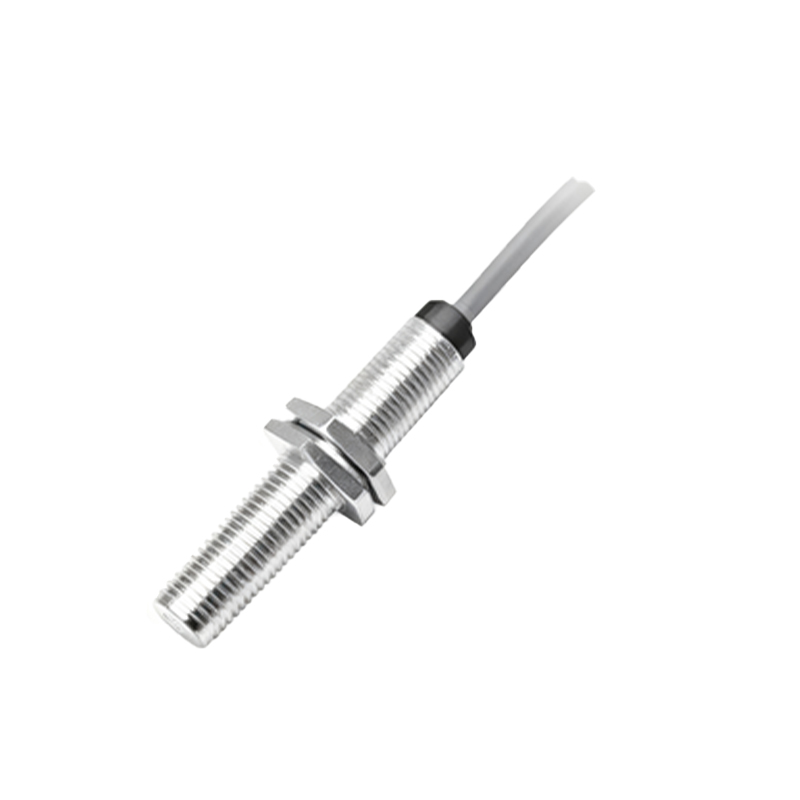
Mechanical factors, such as installation and mounting, influence durability. Improper mounting can cause misalignment, increasing mechanical stress on the sensor housing. Vibration from machinery can loosen connections or damage internal parts. Ensuring secure installation with vibration-resistant mounts can extend sensor life. The type of target material also matters; ferrous metals like iron and steel are easily detected, while non-ferrous metals require higher sensor sensitivity, potentially increasing energy consumption and heat generation.
To optimize inductive proximity sensor lifespan, regular maintenance and monitoring are recommended. Implementing predictive maintenance schedules, such as periodic inspection of output signals and housing integrity, can identify early signs of wear. Cleaning sensors to remove debris or contaminants prevents false triggering and reduces electrical load. In high-demand applications, using sensors with redundant designs or higher duty cycles can improve reliability.
Advancements in sensor technology have led to improvements in lifespan. Modern sensors often feature enhanced circuitry with lower power consumption, reducing thermal output. Some models incorporate self-diagnostic functions to alert users to potential failures. When selecting sensors, consider manufacturers that provide detailed lifespan data based on testing under standardized conditions.
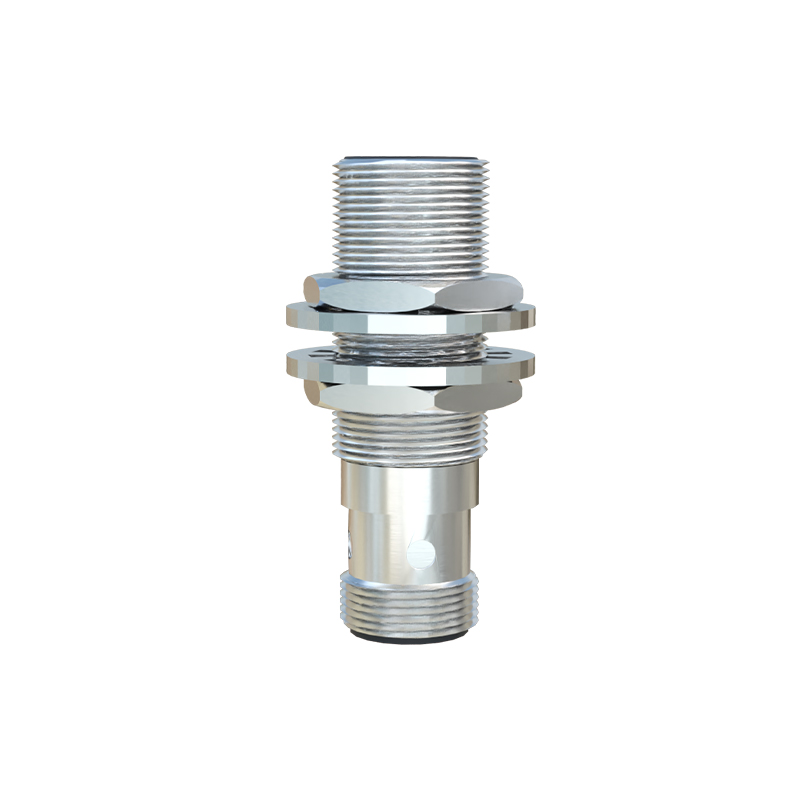
In summary, the lifespan of inductive proximity sensors depends on a combination of design quality, environmental conditions, and usage patterns. By choosing suitable sensors, ensuring proper installation, and adhering to maintenance protocols, industries can achieve longer service intervals and reduced downtime. As automation evolves, ongoing research into materials and electronics promises further enhancements in sensor durability and performance.