Capacitive proximity sensors are versatile and reliable devices widely used in industrial automation for detecting metallic objects without physical contact. While often associated with non-metallic material detection, their application in metal sensing presents unique advantages and considerations that every electrical engineer and system designer should understand.
At its core, a capacitive proximity sensor operates by generating an electrostatic field. The sensor comprises an oscillator circuit, a sensing surface (electrode), and a detection circuit. When no target is present, the oscillator operates at a specific frequency. As a conductive target, such as a metal object, enters the electrostatic field, it alters the capacitance between the sensor's electrode and ground. This change in capacitance increases the oscillator's amplitude. The sensor's detection circuit monitors this amplitude, and when it reaches a predetermined threshold, it triggers a switching signal, indicating the presence of the target.
For metal detection, the principle relies on the target's conductivity. Metals, being excellent conductors, significantly disturb the electrostatic field, leading to a strong and reliable detection signal. This makes capacitive sensors highly effective for sensing metals, though their performance can vary based on the metal's specific properties. Generally, metals with higher conductivity, like copper and aluminum, are detected at longer ranges than those with lower conductivity, like stainless steel. The sensor's effective sensing distance (Sn) is specified for a standard target, typically a square of mild steel (Fe 360). It is crucial to consult the datasheet for reduction factors when detecting other metals.
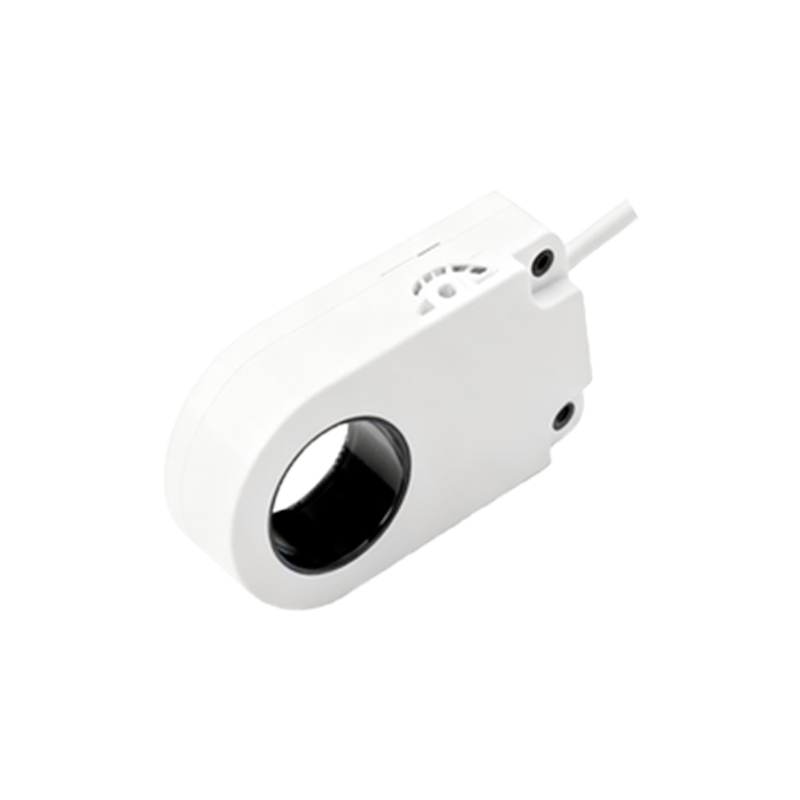
The advantages of using capacitive sensors for metal are numerous. They can detect metals through non-metallic barriers like thin plastic, glass, or cardboard, enabling innovative packaging and process control solutions. They are insensitive to color, surface finish (to a large extent), and ambient light, making them robust in harsh industrial environments. Unlike inductive proximity sensors, which are also used for metal detection, capacitive sensors can theoretically detect any material that affects the dielectric constant or conductivity of the sensing field. This allows a single sensor type to be used for both metallic and non-metallic targets in some flexible production lines.
Key applications in industry include:
1. Level Detection: Monitoring the presence or absence of metal parts in bins, hoppers, or on conveyors.
2. Position Verification: Confirming that a metal component is correctly seated in a fixture or assembly before a process step.
3. Counting: Accurately counting metal objects on a production line, even if they are non-ferrous.
4. End-of-Travel Sensing: Detecting the position of metal parts in actuators or slides.
5. Presence Detection through Walls: Sensing metal objects inside sealed containers or behind protective covers.
When selecting a capacitive sensor for a metal detection application, several critical factors must be evaluated:
Sensing Distance: Choose a sensor with a nominal sensing distance greater than the required installation gap, applying necessary reduction factors for the specific metal.
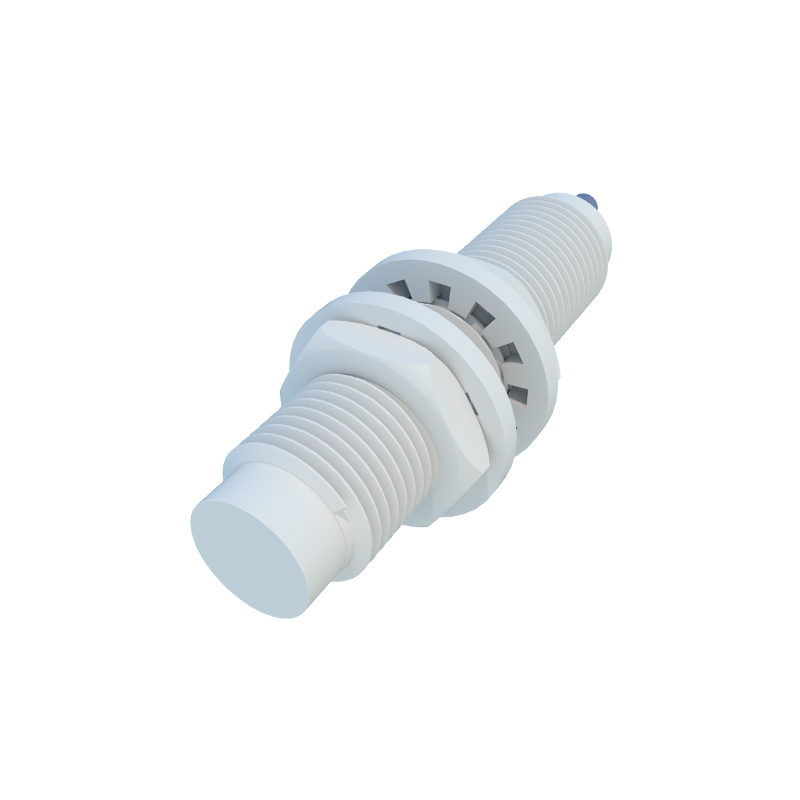
Housing and Size: Cylindrical (threaded) and rectangular housings are common. Consider the available mounting space.
Output Type: PNP (sourcing) or NPN (sinking) transistor outputs are standard, compatible with PLCs and controllers. Analog output versions provide continuous distance information.
Material and Environment: Sensors with PTFE coatings or stainless-steel faces are essential for aggressive environments (e.g., food, chemical). Ensure the IP (Ingress Protection) rating suits the application (e.g., IP67 for washdown areas).
Adjustment: Most sensors feature a potentiometer or teach-in function to adjust sensitivity, crucial for ignoring background interference (like a conveyor belt) while detecting the target metal.
Switching Frequency: For high-speed applications, ensure the sensor's response time and switching frequency can keep pace.
Installation is paramount for reliable operation. Maintain the recommended clearance from surrounding metal (typically 2-3 times the sensor diameter) to prevent false triggering. Flush-mountable sensors are designed to be installed in metal without affecting performance, while non-flush sensors offer longer ranges but require a metal-free zone around the sensing face.
In conclusion, capacitive proximity sensors offer a powerful, flexible solution for metal detection across diverse industrial sectors. Their ability to sense through non-conductive materials and their insensitivity to surface conditions make them indispensable in modern automation. A thorough understanding of their operating principles, coupled with careful selection and proper installation, ensures optimal performance, enhanced process reliability, and increased system uptime.