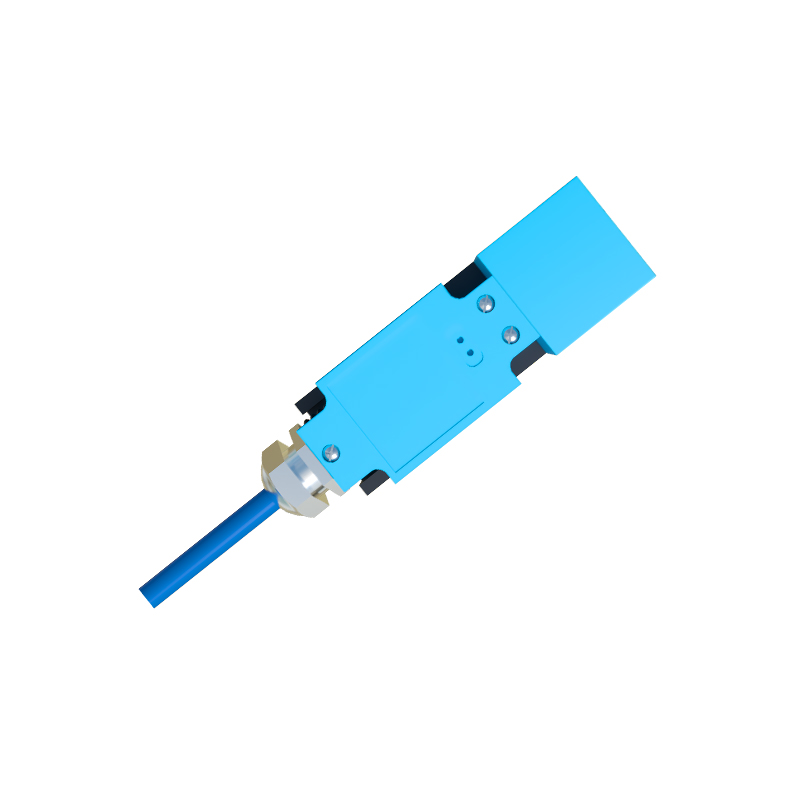
In the realm of industrial automation, proximity sensors play a pivotal role in ensuring seamless operations, particularly in material handling and detection applications. Among these, the E2BR5433 stands out as a specialized inductive proximity sensor designed specifically for detecting plastic materials—a task that traditional metal-sensing sensors often struggle with. This article delves into the technical specifications, operational principles, and practical applications of the E2BR5433, offering insights for engineers and technicians in the electrical and automation sectors.
The E2BR5433 is engineered to overcome the inherent challenges of sensing non-metallic objects like plastics. Unlike standard inductive sensors that rely on electromagnetic fields to detect conductive metals, the E2BR5433 incorporates advanced frequency-based technology. It operates by emitting a high-frequency oscillating magnetic field from its sensing face. When a plastic object enters this field, it causes a measurable change in the oscillation due to the material's dielectric properties, allowing the sensor to trigger a response. This makes it highly effective for applications involving materials such as PVC, polyethylene, or ABS, where precision and reliability are critical.
Key technical features of the E2BR5433 include a robust sensing range, typically up to 15 mm, depending on the plastic type and environmental conditions. It is built with an IP67-rated housing, ensuring durability against dust, moisture, and mechanical impacts in harsh industrial settings. The sensor outputs a digital signal, often in PNP or NPN configurations, compatible with PLCs (Programmable Logic Controllers) and other control systems. Additionally, its compact design facilitates easy integration into machinery without requiring extensive modifications.
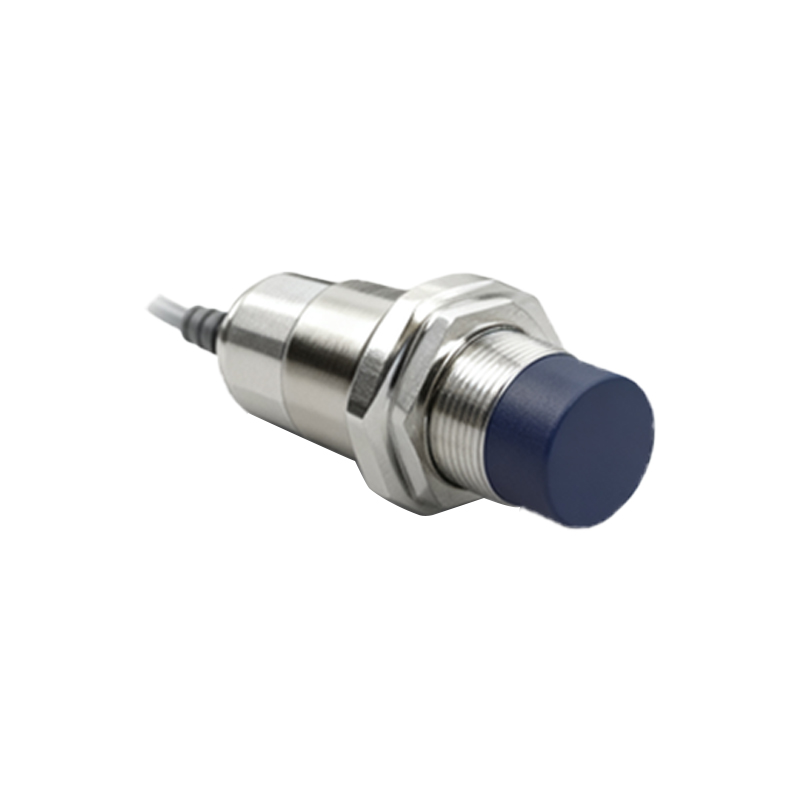
In practice, the E2BR5433 finds extensive use across various industries. For instance, in packaging lines, it detects plastic containers or films to coordinate filling and sealing processes. In automotive manufacturing, it ensures proper placement of plastic components during assembly. The sensor's ability to ignore metallic backgrounds reduces false triggers, enhancing system efficiency. Engineers should note that factors like temperature fluctuations, sensor alignment, and plastic composition can affect performance, so calibration and testing are recommended during installation.
Looking ahead, the demand for specialized sensors like the E2BR5433 is growing as industries adopt more automated and smart systems. Its contribution to reducing downtime and improving accuracy underscores its value in modern electrical engineering. For those working with plastic detection, understanding this sensor's capabilities can lead to optimized workflows and cost savings.