Proximity sensors are indispensable components in today's industrial landscape, enabling non-contact detection of objects with high precision and reliability. These devices operate by emitting electromagnetic fields, light, or sound to sense the presence, absence, or position of target objects without physical contact. Their versatility and durability make them suitable for a wide range of applications across various sectors.
In manufacturing and automation, proximity sensors play a critical role in assembly lines. They are used for object detection, counting, and positioning, ensuring smooth and efficient operations. For instance, inductive proximity sensors detect metallic objects, making them ideal for metal fabrication and machining processes. Capacitive sensors, on the other hand, can detect non-metallic materials like plastics, wood, or liquids, expanding their utility in packaging and food processing industries.
The automotive industry heavily relies on proximity sensors for safety and automation. In vehicles, they are integrated into parking assistance systems, collision avoidance mechanisms, and automated braking systems. Ultrasonic and infrared sensors help drivers navigate tight spaces by providing accurate distance measurements to obstacles. Additionally, in automotive manufacturing, these sensors monitor robotic arms and conveyor systems, enhancing precision and reducing downtime.
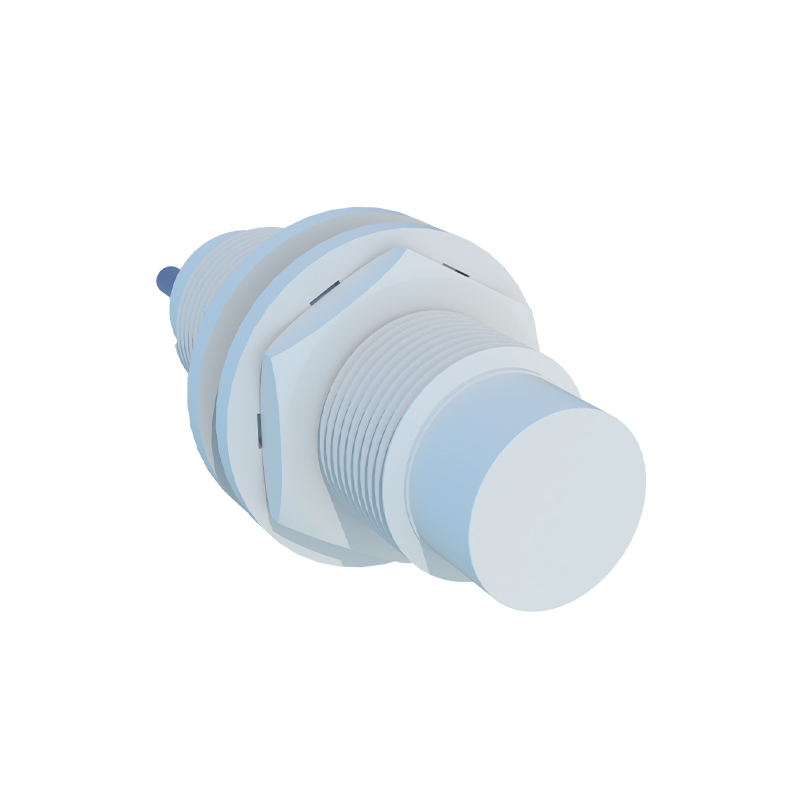
Material handling and logistics also benefit from proximity sensor technology. In warehouses and distribution centers, sensors track inventory movement on conveyor belts, manage sorting systems, and ensure proper alignment of goods. Magnetic proximity sensors are often employed in crane and hoist operations to detect the position of lifting equipment, preventing accidents and improving operational safety.
In the realm of consumer electronics, proximity sensors enhance user experience and device functionality. Smartphones use infrared sensors to detect when the phone is held close to the ear during calls, automatically turning off the display to save power and prevent accidental touches. Similarly, touchless faucets and automatic doors in public spaces utilize these sensors for hygiene and convenience, responding to the presence of users without physical contact.
The aerospace and defense sectors employ proximity sensors for critical applications such as aircraft landing gear monitoring, missile guidance, and drone navigation. High-precision sensors ensure reliable performance under extreme conditions, including temperature variations and vibrations. In robotics, proximity sensors enable autonomous navigation and object manipulation, allowing robots to interact safely with their environment.
Furthermore, proximity sensors contribute to energy efficiency and sustainability. In building automation, they control lighting and HVAC systems by detecting occupancy, reducing energy consumption in unoccupied areas. Industrial plants use them to monitor equipment status, predicting maintenance needs and minimizing waste.
Despite their advantages, selecting the right proximity sensor depends on factors like detection range, environmental conditions, and target material. Regular maintenance and calibration are essential to ensure long-term accuracy. As technology advances, innovations such as IoT integration and smart sensors are expanding the capabilities of proximity sensors, paving the way for smarter, more connected industrial ecosystems.
In summary, proximity sensors are vital tools across diverse fields, from manufacturing and automotive to electronics and aerospace. Their ability to provide non-contact, reliable detection drives efficiency, safety, and innovation, solidifying their role in the future of industrial automation and beyond.