Proximity sensors are essential components in modern industrial automation, enabling non-contact detection of objects within a defined range. These devices play a critical role in enhancing efficiency, safety, and precision across various sectors, including manufacturing, automotive, and robotics. Understanding the different types of proximity sensors and their unique characteristics is vital for selecting the right sensor for specific applications. This article explores the primary categories of proximity sensors, their operational principles, advantages, and typical use cases.
The most common types of proximity sensors include inductive, capacitive, ultrasonic, and photoelectric sensors. Each type operates based on distinct physical principles, making them suitable for different environments and materials.
Inductive proximity sensors are widely used for detecting metallic objects. They generate an electromagnetic field and sense changes caused by metallic targets entering this field. These sensors are highly reliable, with fast response times and robust construction that withstands harsh industrial conditions like dust, moisture, and vibration. However, they are limited to metal detection and have a relatively short sensing range, typically up to 60 mm. Common applications include position sensing in machinery, part counting on conveyor belts, and safety interlocks.
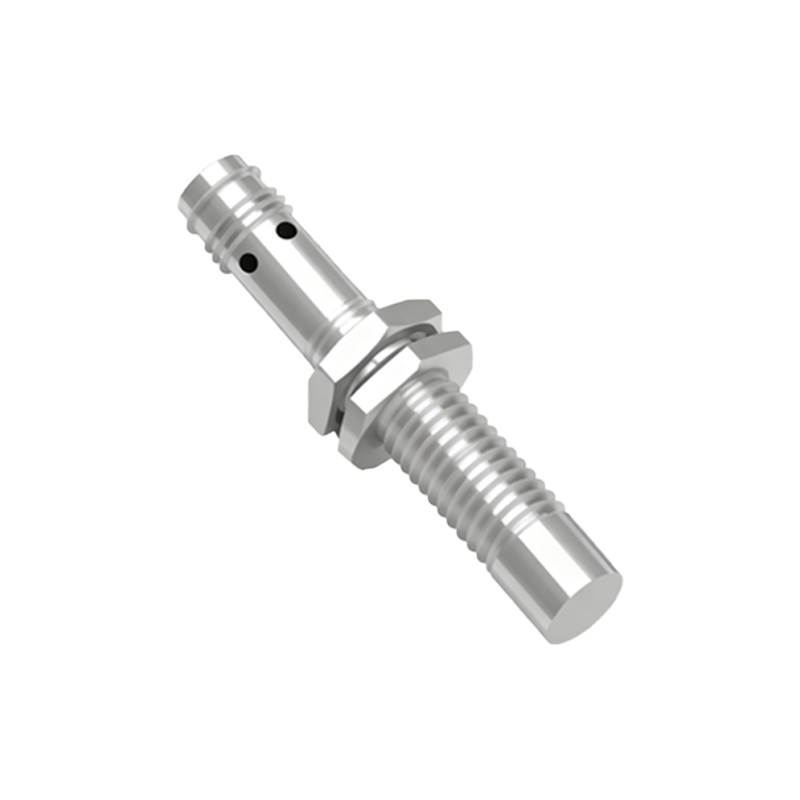
Capacitive proximity sensors can detect both metallic and non-metallic materials, such as plastics, liquids, or wood. They work by measuring changes in capacitance when an object enters their electrostatic field. This versatility makes them ideal for applications involving material level detection, packaging, or presence sensing of diverse substances. They are sensitive to environmental factors like humidity and temperature, which may require calibration. Sensing ranges vary but generally extend up to 40 mm, depending on the material's dielectric properties.
Ultrasonic proximity sensors utilize sound waves beyond human hearing to detect objects. They emit ultrasonic pulses and measure the time taken for echoes to return, calculating distance based on sound speed. These sensors are effective for long-range detection (up to several meters) and can work in challenging environments with dust, smoke, or varying light conditions. They are commonly used in level measurement for liquids or bulk materials, obstacle detection in automated guided vehicles (AGVs), and parking assistance systems. Drawbacks include potential interference from air turbulence or soft materials that absorb sound.
Photoelectric proximity sensors employ light beams, typically infrared or laser, to sense objects. They consist of an emitter and a receiver, detecting interruptions or reflections of the light beam. Subtypes include through-beam, retro-reflective, and diffuse sensors, each offering different sensing ranges and accuracies. Photoelectric sensors excel in long-range applications (up to 100 meters for some models) and high-speed detection, making them suitable for packaging lines, object counting, and security systems. However, they can be affected by ambient light, transparent materials, or dirty lenses, requiring regular maintenance.
Key characteristics to consider when choosing a proximity sensor include sensing range, response time, output type (e.g., digital or analog), environmental resistance, and cost. Inductive sensors are cost-effective for metal detection in tough settings, while capacitive sensors offer material flexibility. Ultrasonic sensors provide reliable long-distance sensing, and photoelectric sensors deliver precision for high-speed tasks.
In summary, proximity sensors are diverse tools tailored to specific industrial needs. By evaluating factors like target material, operating environment, and performance requirements, engineers can optimize automation systems for enhanced productivity and safety. As technology advances, innovations such as IoT integration and smart sensors are expanding their capabilities, paving the way for smarter, more connected industrial ecosystems.