In the realm of industrial automation and safety systems, proximity sensors are indispensable components. Among the diverse types available, glass proximity sensors represent a specialized and critical category. This article delves into what a glass proximity sensor is, its operational principles, key characteristics, and its pivotal role in various industrial settings.
Fundamentally, a glass proximity sensor is a non-contact sensing device specifically designed to detect the presence or absence of glass objects or surfaces. Unlike standard inductive or capacitive sensors that target metals or a broad range of materials, these sensors are engineered with sensitivity and algorithms tuned for the unique dielectric and reflective properties of glass. The core function is to provide a reliable detection signal without requiring physical contact with the glass item, thereby preventing scratches, contamination, or breakage.
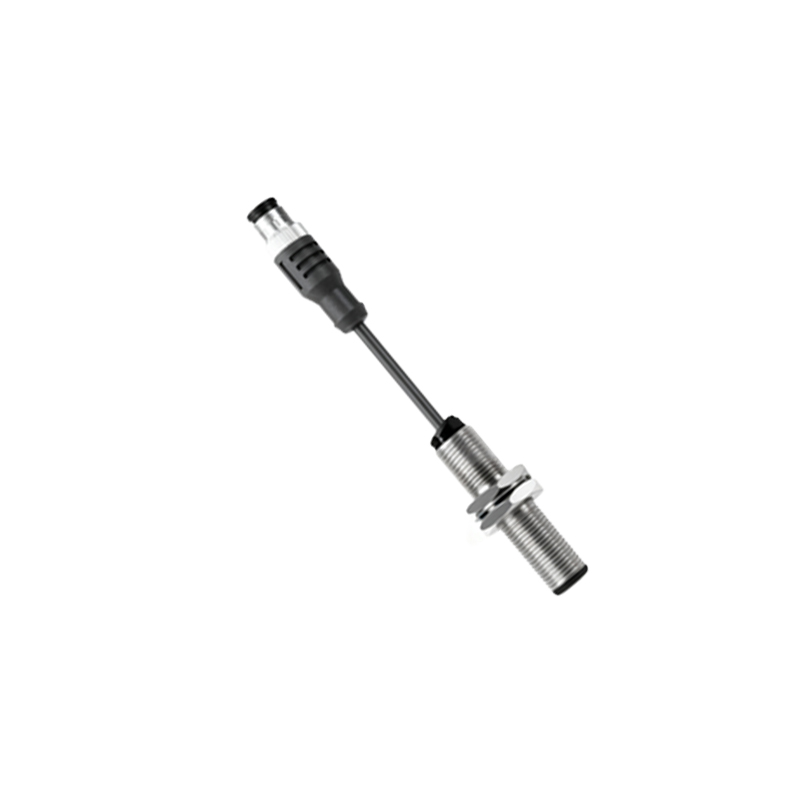
The working principle primarily hinges on advanced capacitive or optical sensing technologies. Capacitive-based glass sensors generate an electrostatic field. When a glass object enters this field, it causes a detectable change in capacitance due to glass's dielectric constant, which differs from air. The sensor's circuitry is finely calibrated to recognize this specific change, filtering out interference from other materials. Optical versions, often using modulated infrared light, detect the presence of glass by analyzing the reflection or transmission patterns. Clear glass can be challenging for standard photoelectric sensors as it is transparent; therefore, specialized optical glass sensors may use specific wavelengths or polarized light to achieve reliable detection.
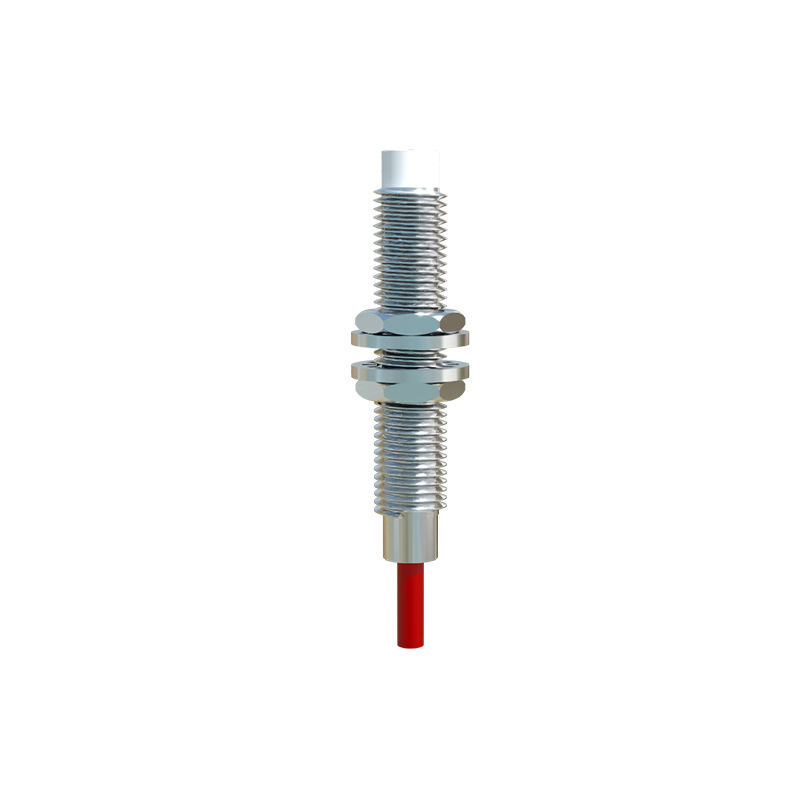
Key characteristics define the efficacy of glass proximity sensors. First is Material Specificity. They are optimized for glass, reducing false triggers from conveyor belts, metal frames, or plastic components commonly found in production environments. Sensitivity and Range are adjustable in many models, allowing fine-tuning for different glass thicknesses, colors (e.g., clear, tinted, frosted), or coatings. The Response Time is extremely fast, enabling integration into high-speed production lines, such as bottle filling or glass panel manufacturing. Furthermore, they are built to be Robust, often housed in durable casings resistant to dust, moisture, and typical industrial chemicals. Many feature IO-Link or other digital communication capabilities for seamless integration into Industry 4.0 networks, enabling predictive maintenance and parameter adjustments on-the-fly.
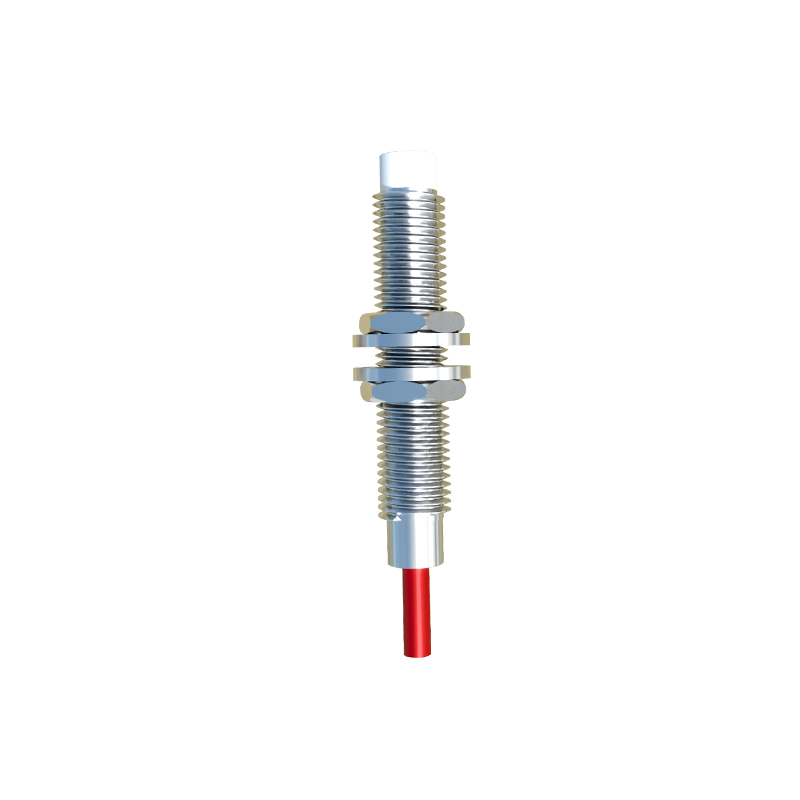
The applications are vast and span multiple industries. In the Packaging Industry, they are crucial on bottling lines for detecting the presence of glass bottles before filling, capping, or labeling, ensuring process integrity and preventing jams. The Automotive Sector utilizes them in the assembly of windshields, windows, and mirrors, verifying correct placement before robotic handling or adhesive application. Electronics Manufacturing employs these sensors to detect glass substrates, covers, or touch panels during precise assembly processes. In Appliance Manufacturing, they ensure glass doors for ovens or front panels are correctly positioned. Additionally, they play a role in Safety Systems, such as detecting whether a protective glass shield on machinery is in its closed position before operation commences.
Selecting the right glass proximity sensor requires careful consideration. Engineers must evaluate the Type of Glass (e.g., soda-lime, borosilicate), its Thickness, and any Coatings (like Low-E coatings on architectural glass) that might affect sensing. The Installation Environment—encompassing temperature, humidity, and exposure to contaminants—dictates the required Ingress Protection (IP) rating. The required Sensing Distance and Output Type (PNP/NPN, analog, digital) must align with the control system. Lastly, compliance with industry standards for safety and electromagnetic compatibility is non-negotiable.
In conclusion, a glass proximity sensor is a sophisticated, purpose-built device essential for modern automated processes involving glass materials. By enabling accurate, non-contact detection, it enhances production efficiency, ensures product quality, and contributes to operational safety. As glass continues to be a material of choice in various sectors, from consumer goods to high-tech industries, the role of these specialized sensors will only grow in importance, driven by demands for higher precision, connectivity, and reliability in smart manufacturing ecosystems.