The evolution of proximity sensor technology represents a cornerstone of industrial automation's relentless advancement. As industries worldwide embrace the principles of Industry 4.0 and the Industrial Internet of Things (IIoT), the humble proximity sensor has undergone a profound transformation, evolving from a simple binary detection device into a sophisticated, intelligent node within a connected ecosystem. The current trajectory of development is characterized by several key, interconnected trends that are reshaping their design, functionality, and application scope.
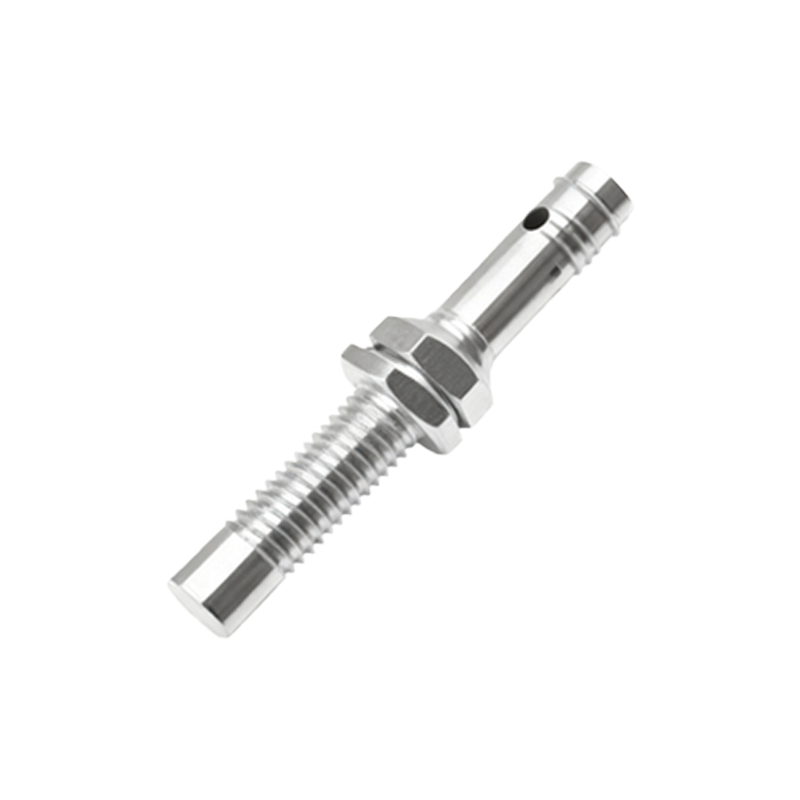
A primary driver of innovation is the relentless push towards miniaturization and enhanced integration. Modern manufacturing, particularly in electronics and micro-mechanics, demands sensors with ever-smaller form factors that can be embedded directly into machinery and mobile devices without compromising performance. This miniaturization is coupled with the integration of advanced functionalities directly onto the sensor chip. We are witnessing the rise of "smart sensors" that incorporate microprocessors, signal conditioning, and basic diagnostic capabilities. These sensors can perform self-monitoring, detect contamination or misalignment, and communicate detailed status information, thereby reducing unplanned downtime and enabling predictive maintenance strategies.
The integration of wireless connectivity stands as another pivotal trend. Traditional wired sensor installations, while reliable, incur significant costs in cabling, conduit, and labor, especially in large-scale or complex factory layouts. The adoption of robust, low-power wireless protocols like IO-Link Wireless, Bluetooth Low Energy (BLE), and proprietary industrial mesh networks is liberating sensor placement. Wireless proximity sensors facilitate easier installation on rotating parts, mobile equipment like AGVs (Automated Guided Vehicles), and in harsh environments where cabling is impractical. This wireless freedom is fundamental to creating flexible, reconfigurable production lines.
Furthermore, the demand for higher precision and extended sensing ranges continues to grow. Innovations in sensing principles are addressing this need. While inductive sensors remain dominant for metal detection, capacitive sensors are seeing improvements in stability and sensitivity for non-metallic targets. Ultrasonic sensors are benefiting from advanced signal processing algorithms that filter out acoustic noise, making them more reliable in challenging environments. Photoelectric sensors, particularly those using time-of-flight (ToF) technology, are achieving millimeter-level accuracy over several meters, blurring the lines between proximity detection and light-ranging applications. The development of multi-technology sensors, which combine, for instance, inductive and capacitive elements in a single housing, offers versatile solutions for complex detection tasks.
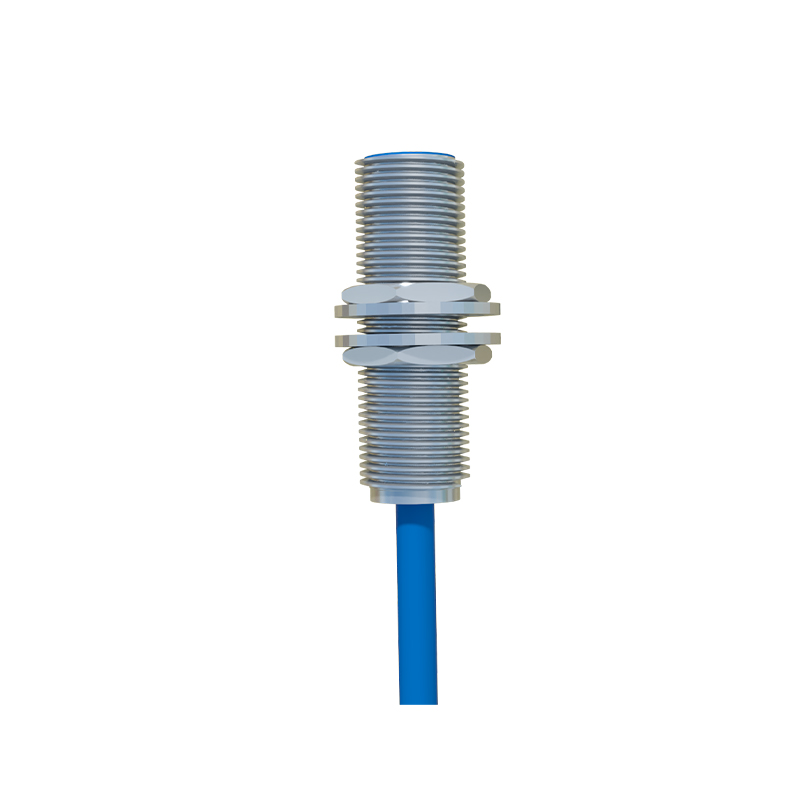
The operating environment for industrial sensors is also a critical focus. There is a marked trend towards enhancing robustness and durability. Manufacturers are developing sensors with higher ingress protection (IP) ratings, exceptional resistance to chemicals, oils, and cutting fluids, and the ability to withstand extreme temperatures, shock, and vibration. This ruggedization ensures reliable operation in demanding sectors such as food and beverage processing, metalworking, and outdoor mobile machinery, thereby expanding the potential application landscape.
Finally, the convergence of sensing data with higher-level analytics and AI is perhaps the most transformative trend. Proximity sensors are no longer just providing a simple "on/off" signal. When networked via IIoT platforms, the data they generate—cycle times, event counts, even subtle signal variations—can be aggregated and analyzed. Machine learning algorithms can identify patterns indicative of wear, process drift, or impending failure. This enables a shift from reactive or scheduled maintenance to true condition-based and predictive maintenance, optimizing asset life and overall equipment effectiveness (OEE).
In conclusion, the future of proximity sensing is intelligent, connected, and resilient. The trends of miniaturization, wireless communication, enhanced precision, environmental robustness, and data intelligence are not occurring in isolation but are synergistically driving the next generation of these critical components. For engineers and system integrators, staying abreast of these developments is essential for designing efficient, flexible, and future-proof automated systems that can meet the evolving challenges of modern manufacturing and beyond.