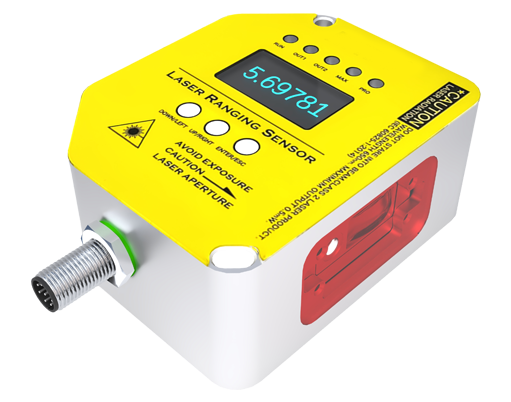
In the realm of electrical engineering and industrial automation, laser sensors have become indispensable for precision measurement, detection, and control tasks. Among the critical components that ensure their optimal performance is the resistor, specifically the Laser Sensor Resistor 50, which plays a pivotal role in circuit stability and signal integrity. This article delves into the technical aspects, applications, and selection criteria for this resistor, providing insights for engineers and technicians working with laser-based systems.
Laser sensors operate by emitting a laser beam and analyzing the reflected light to determine distance, presence, or characteristics of an object. The electrical circuits within these sensors require precise current and voltage regulation to maintain accuracy and reliability. The Laser Sensor Resistor 50, typically referring to a resistor with a 50-ohm value, is integral in these circuits. It serves multiple functions, such as current limiting, voltage division, and impedance matching, which are essential for protecting sensitive components like laser diodes and photodetectors from damage due to overcurrent or voltage spikes. In high-frequency applications, the 50-ohm value is particularly significant because it aligns with standard transmission line impedances, minimizing signal reflections and ensuring efficient power transfer. This is crucial in laser sensors used for high-speed scanning or communication, where signal distortion can lead to measurement errors or system failures.
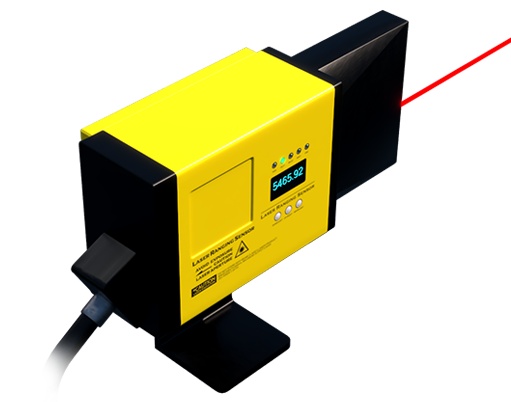
The selection of a Laser Sensor Resistor 50 involves careful consideration of several parameters beyond just resistance value. Power rating is a key factor, as resistors must dissipate heat generated during operation without degrading. For laser sensors in industrial environments, resistors with higher power ratings (e.g., 1W or more) are often preferred to handle transient loads. Tolerance is another critical aspect; tight tolerances (such as ±1% or ±5%) ensure consistent performance across temperature variations and long-term use. Additionally, temperature coefficient indicates how resistance changes with temperature, which is vital in applications where sensors are exposed to fluctuating conditions. Engineers should also evaluate the resistor's material composition—metal film resistors are commonly used for their stability and low noise, while thick-film resistors may be suitable for cost-sensitive projects. In practice, integrating a Laser Sensor Resistor 50 requires attention to circuit layout. Proper placement away from heat sources and use of thermal management techniques, like heatsinks or ventilation, can enhance longevity. For instance, in a laser distance sensor, the resistor might be part of a feedback loop that adjusts laser intensity, demanding high precision to avoid calibration drift.
Applications of Laser Sensor Resistor 50 span various industries, from manufacturing to robotics. In automotive assembly lines, laser sensors equipped with these resistors monitor part dimensions and alignments, ensuring quality control. In medical devices, such as laser-based imaging systems, the resistor helps maintain stable operation for accurate diagnostics. The trend towards miniaturization and IoT integration has further emphasized the need for reliable resistors that can operate in compact spaces without compromising performance. When troubleshooting laser sensor issues, engineers often check the resistor for signs of overheating or value drift, as failures here can lead to erratic sensor behavior. Regular maintenance and testing, including using multimeters or oscilloscopes to verify resistance under load, are recommended practices.

In summary, the Laser Sensor Resistor 50 is more than just a passive component; it is a cornerstone of reliable laser sensor functionality. By understanding its role in circuit design, selecting appropriate specifications, and implementing best practices for installation and maintenance, engineers can optimize sensor performance and durability. As technology advances, with developments in areas like fiber optics and LiDAR, the demand for precision resistors will only grow, making this knowledge essential for professionals in the electrical field. Future innovations may include smart resistors with embedded monitoring capabilities, but for now, mastering the basics of components like the Laser Sensor Resistor 50 remains fundamental to engineering success.